

Walking.
Tag Archives: iew
Your Need: To End Your Silence

Another video featuring The B From O Town.
O Town is Ontario, California.
Not Ontario, Canada.
Whether you’re a local Inland Empire technology firm or a national or multinational identity/biometric firm, Bredemarket’s content-proposal-analysis services will positively impact your company.
To learn more about Bredemarket and schedule a free meeting, use the link.
Watch Both “The B From O Town” Music Videos
The B For Locals Only
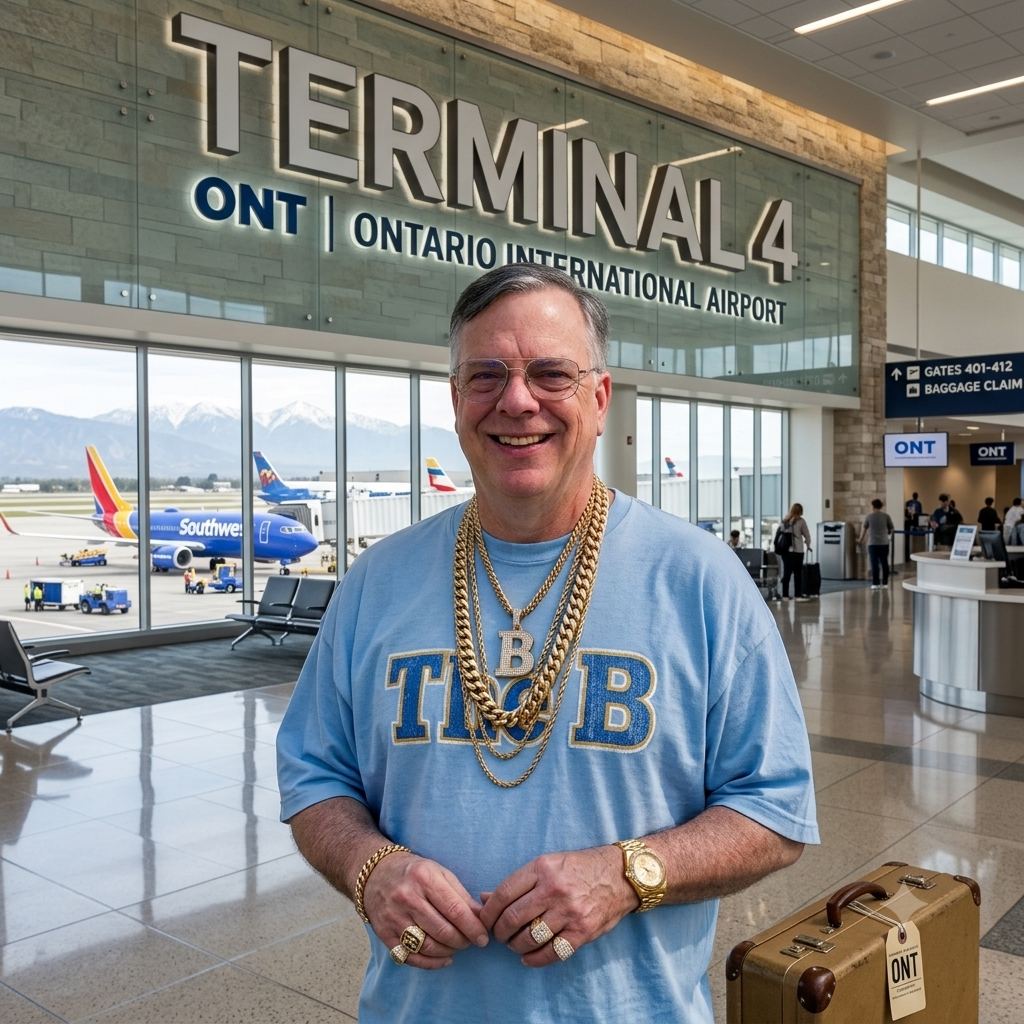
“The B From O Town” isn’t only the biometric product marketing expert. He also markets products for technology businesses in O Town and the rest of the Inland Empire West.
Uh huh.
Laying the music video aside, The B From O Town (or my usual handle, John E. Bredehoft) can contribute to the product marketing success of your IE firm.
What does your firm obtain when you use Bredemarket’s content-proposal-analysis services?
Compelling CONTENT Creation
- Blog posts. Among other projects, I’ve authored a multi-month blog series to attract business to a client.
- Case studies and testimonials. Among other projects, I’ve written a dozen case studies to justify a firm’s capabilities to its projects.
- LinkedIn articles and posts. The multi-month blog series was designed for repurposing as LinkedIn articles.
- White papers. My white papers have made the case for the superiority of my clients’ products and services.
Winning PROPOSAL Development
- Proposal services (managing, writing, editing, other). My proposals have won business for Bredemarket clients and for my former employers.
Actionable ANALYSIS
- Analysis services. My market, product, and competitive analyses for Bredemarket clients and former employers have not only gathered necessary information and insights, but have also suggested a path forward.
Let’s talk
For more information and to schedule a free meeting, visit https://bredemarket.com/mark/.
I promise I won’t try to rap.

Uh huh.
And if you’ve read both this post and the previous one, you understand the power of repurposing.
The B From O Town
What motivates this persona?
You’ll find out in my upcoming music video.
And because I’m Southern Californian, it’s “The” B.
When Businesses Rise From the Dead
Bredemarket provides marketing and writing services all year. So do grocery stores. Restaurants. Most other firms.
Other businesses are seasonal, but necessitate year-round facilities. Most baseball stadiums don’t host games in December, but host (or struggle to host) non-baseball events when the team isn’t playing. Graber Olive House would hire seasonal staff when the olives were harvested.
And then there is Spirit Halloween, where Joe Marver accidentally discovered how to take advantage of a fundamental truth at his Castro Valley, California women’s clothing store named Spirit.
“He’d put out a small Halloween section—just costumes and decorations to capture some seasonal traffic. That tiny corner of his store consistently outperformed the rest of his inventory combined.”
But he couldn’t just create a Halloween version of Spirit…or could he?
“Shopping malls and strip centers always had vacant spaces—stores that had closed, leaving landlords desperate for any revenue. He could negotiate dirt-cheap short-term leases, operate for 8-10 weeks, and disappear before the first rent increase.”
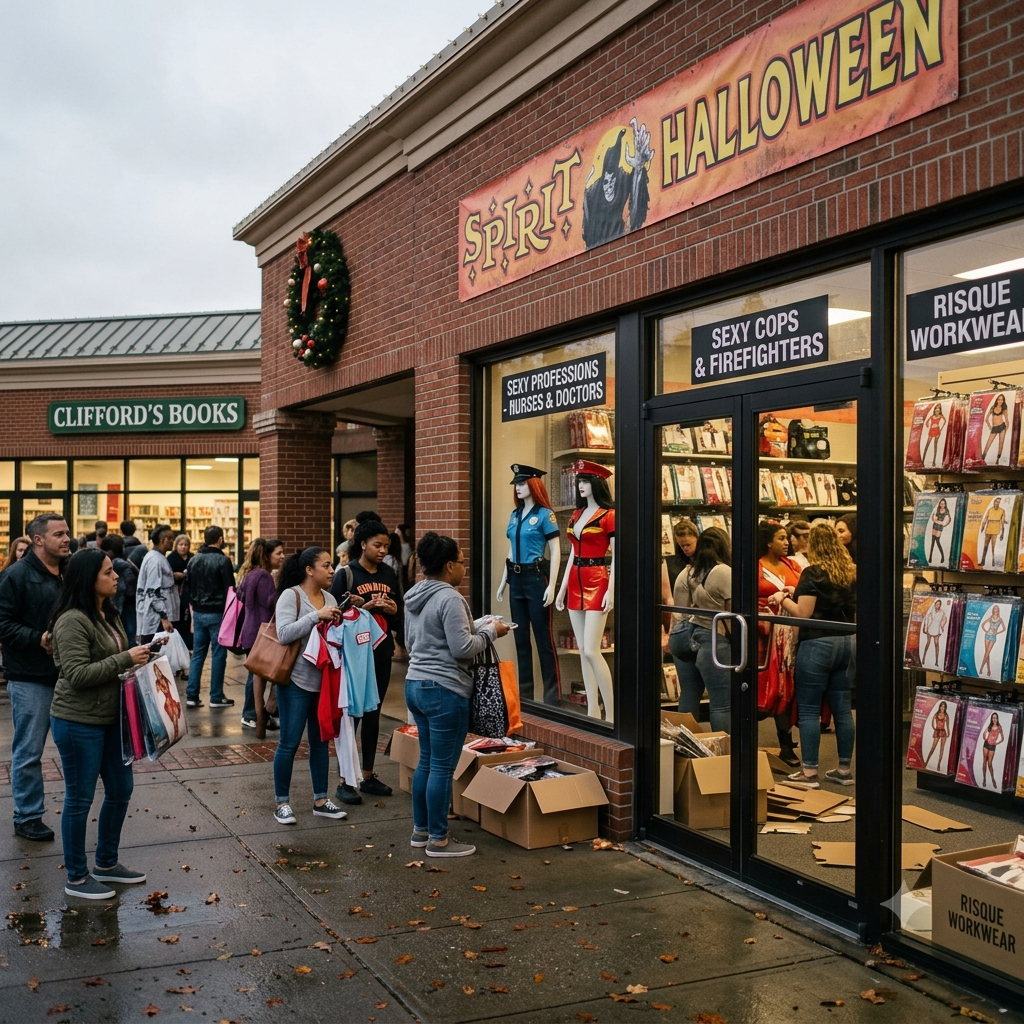
That first landlord was happy to accept a few bucks for a few weeks, which was better than nothing. Marver, of course, saw many, many, more dollars from people who only bought sexy product marketer costumes in October.

Then the store closed for the winter, spring, and summer.

And the word “pop-up,” albeit used for videos at one point, remained in the domain of retail.
Are “Small Business” Events Meaningless for Bredemarket?
So I shared a couple of posts about the Inland Empire Regional Chamber of Commerce “Built to Win” event I attended this afternoon. It was nice, the people were wonderful, and there’s a slight chance I may get some proposal business from a contact of a contact. But in the end, I was not one of the hungry people the IERCC targeted.
- Because when I think of a “small business,” I think of Bredemarket, a sole proprietorship with 25 square feet of office space.
- But the government classifies one of Bredemarket’s clients as a “small business”—a company with nearly a hundred employees, three business locations in two countries, and an active Board of Directors.

A Bredemarket “Board of Directors” meeting would be laughable. (But meme-worthy.)
Because Bredemarket ain’t a small business.

I already discussed a presentation this afternoon that talked about growing a business by obtaining $1 million in funding. I don’t know what I’d do with a million dollars. Hire more “Bredemarketers”?
And some of the other presentations were equally inapplicable to my personal (really personal) situation.
- How do you handle Human Resources when your company has 5 employees, 15 contractors, and $1 million in annual revenue?
- How do you deal with labor unions and employee wrongful termination lawsuits?
For better or worse, Bredemarket is me. Bredebot explained in a May 21 post:
“The ‘sole’ in sole proprietorship isn’t just a legal designation; it’s the actual engine.
“Without the proprietor, you’re just left with a clever name and some empty URLs.”

So I didn’t see a therapist (before or after Bredebot’s post), but went to Google Gemini. Not a licensed health practitioner, but Gemini makes you feel good. This is what it said. This is what Google Gemini said.
Gemini’s alternative to “small business” seminars
That sounds incredibly frustrating. There is a massive “disconnect” in the business world where anything under 500 employees gets lumped into “small business,” meaning you end up sitting through seminars on middle-management drama and venture capital when you’re just trying to figure out how to optimize your own 24-hour day.
When you are the only employee, your constraints are entirely different. You don’t have a labor problem; you have a bandwidth problem. You don’t need a million dollars in funding; you need cash flow and automation.
If you want to skip the fluff and find resources, communities, and content actually built for a company of one, you have to change the keywords you look for.
Stop looking for “Small Business” — Look for these instead:
- The “Solopreneur” or “Soloist” Movement: This is where you’ll find people actively proud of keeping their headcount at exactly one while scaling their revenue.
- Micro-Business Resources: Specifically look for content tailored to “Microbusinesses” (typically defined as fewer than 5 employees) or “Non-employer firms” (the official economic term for a business with no employees).
- The “Company of One” Philosophy: Popularized by business writer Paul Jarvis, this framework focuses on building a business that questions growth and prioritizes freedom, efficiency, and stability over scaling headcount.
Where the real “Solo” conversations happen:
Instead of local Chamber of Commerce events (which tend to cater to brick-and-mortar businesses with staff), look into:
- Niche Freelancer & Creator Communities: Platforms like Freelancers Union or specific sub-communities on Reddit (like r/solopreneur or r/freelance) focus heavily on solo taxes, client management, and burnout.
- Indie Hackers: If your business is digital or product-based, this community is entirely focused on solo founders building profitable businesses without outside funding.
You are running a completely different playbook than a 75-person company. Your goal isn’t management; it’s leverage.
My conclusion
If I want Bredemarket to succeed on my terms—not someone else’s—I have to better target the industry events I attend. Because even micro business events cater to bigger fish.

Valerie Rivas of EVIA Discusses Business Funding For Growth

Not sure what would happen if Bredemarket had a bunch of Bredemarketers.
Built to Win
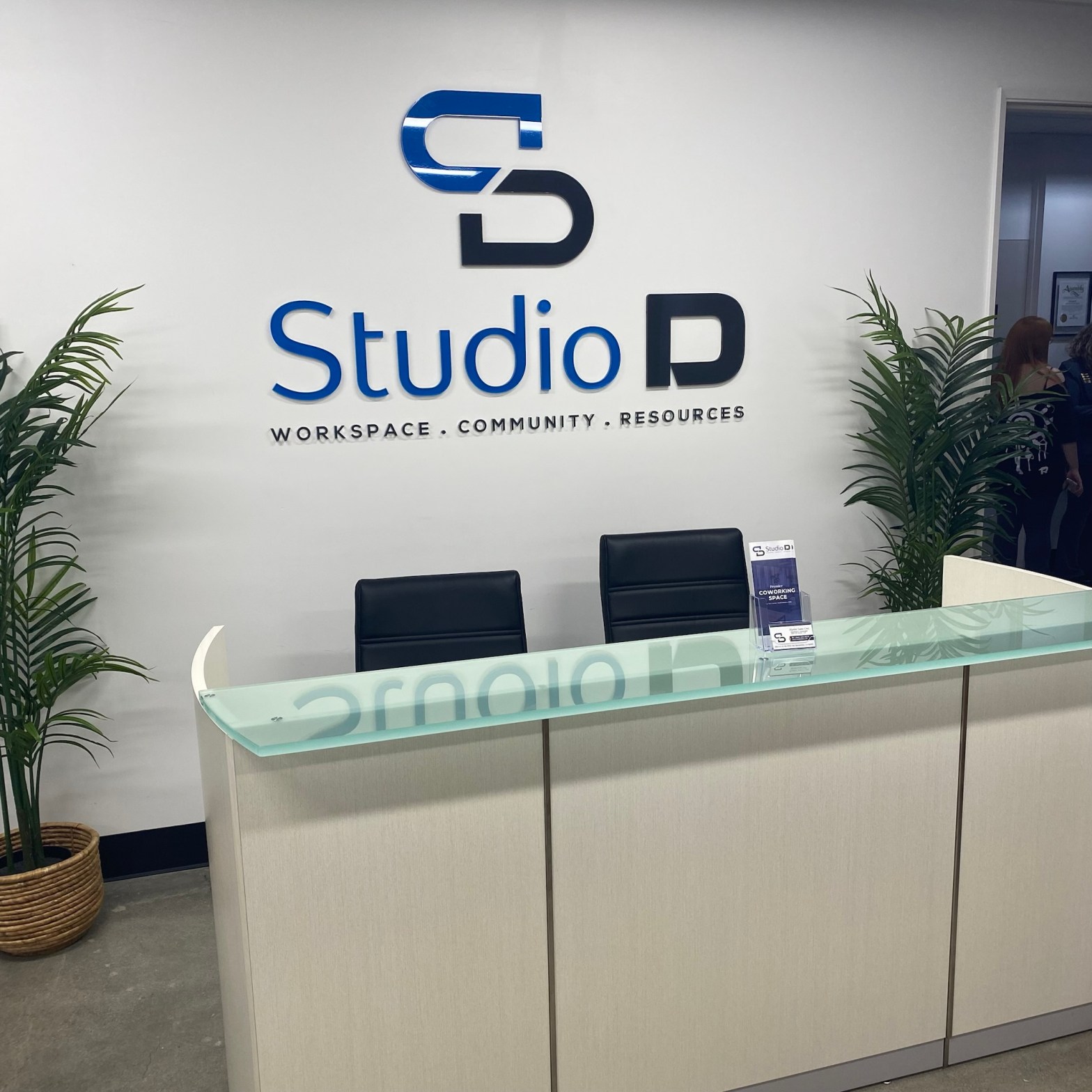
At Studio D in San Bernardino for the IERCC Built to Win event. I’m early, so enjoying a Chai tea as I blog. (Coworking spaces are always nice),


Slow Burn Finale

After the parades, picnics, legal fireworks, and illegal fireworks.
 Bredemarket