Fill Your Company Gap With A Biometric Content Marketing Expert

Companies often have a lot of things they want to do, but don’t have the people to do them. It takes a long time to hire someone, and it even takes time to find a consultant that knows your industry and can do the work.

This affects identity/biometric companies just like it affects other companies. When an identity/biometric company needs a specific type of expertise and needs it NOW, it’s often hard to find the person they need.

If your company needs a biometric content marketing expert (or an identity content marketing expert) NOW, you’ve come to the right place—Bredemarket. Bredemarket has no identity learning curve, no content learning curve, and offers proven results.

Identity/biometric consulting in the 1990s

I remember when I first started working as an identity/biometric consultant, long before Bredemarket was a thing.

OK, not quite THAT long ago. I started working in biometrics in the 1990s—NOT the 1940s.

In 1994, the proposals department at Printrak International needed additional writers due to the manager’s maternity leave, and she was so valuable that Printrak needed to bring in TWO consultants to take her place.

At least initially, the other consultant and I couldn’t fill the manager’s shoes.

Designed by Freepik.
  • Both of us could write.
  • Both of us could spell “AFIS.”
  • Both of us could spell “RAID.” Not the bug spray, but the storage mechanism that stored all those “huge” fingerprint images.
  • But on that first night that I was cranking out proposal letters for something called a “Latent Station 2000,” I didn’t really know WHAT I was writing about.

As time went on, the other consultant and I learned much more—so much that the company brought both of us on as full-time employees.

After we were hired full-time, we spent a combined 45+ years at Printrak and its corporate successors in proposals, marketing, and product management positions, contributing to industry knowledge.

Which shows that learning how to spell “AFIS” can have long-term benefits.

Printrak’s problem

When Printrak needed biometric proposal writing experts quickly, it found two people who filled the bill. Sort of.

But neither of us knew biometrics before we started consuting at Printrak.

And I had never written a proposal before I started consulting at Printrak. (I had written an RFP. Sort of.)

But frankly, there weren’t a lot of identity/biometric consultants out in the field in the 1990s. There were the 20th century equivalents of Applied Forensic Services LLC, but at the time I don’t think there were any 20th century equivalents of Tandem Technical Writing LLC.

The 21st century solution
Unlike the 1990s, identity/biometric firms that need consulting help have many options. In addition to Applied Forensic Services and Tandem Technical Writing you have…me.

Mike and Laurel can tell you what they can do, and I heartily endorse both of them.

Let me share with you why I call myself a biometric content marketing expert who can help your identity/biometric company get marketing content out now:

  • No identity learning curve
  • No content learning curve
  • Proven results

No identity learning curve

I have worked with finger, face, iris, DNA, and other biometrics, as well as government-issued identity documents and geolocation. If you are interested, you can read my Bredemarket blog posts that mention the following topics:

No content learning curve

Because I’ve produced both external and internal content on identity/biometric topics, I offer the experience to produce your content in a number of formats.

  • External content: account-based marketing content, articles, blog posts (I am the identity/biometric blog expert), case studies, data sheets, partner comarketing content, presentations, proposals, sales literature sheets, scientific book chapters, smartphone application content (events), social media posts, web page content, and white papers.
  • Internal content: battlecards, competitive analyses, demonstration scripts (events), email internal newsletters, FAQs, multi-year plans, playbooks, project plans, proposal templates, quality improvement documents, requirements documents, strategic analyses, and website/social media analyses.

Proven results

Read about them here.

So how can you take advantage of my identity/biometric expertise?

If you need day-one help for an identity/biometric content marketing or proposal writing project, consider Bredemarket.

Why Apple Vision Pro Is a Technological Biometric Advance, but Not a Revolutionary Biometric Event

(Part of the biometric product marketing expert series)

(UPDATE JUNE 24: CORRECTED THE YEAR THAT COVID BEGAN.)

I haven’t said anything publicly about Apple Vision Pro, so it’s time for me to be “how do you do fellow kids” trendy and jump on the bandwagon.

Actually…

It ISN’T time for me to jump on the Apple Vision Pro bandwagon, because while Apple Vision Pro affects the biometric industry, it’s not a REVOLUTIONARY biometric event.

The four revolutionary biometric events in the 21st century

How do I define a “revolutionary biometric event”?

By Alberto Korda – Museo Che Guevara, Havana Cuba, Public Domain, https://commons.wikimedia.org/w/index.php?curid=6816940

I define it as something that completely transforms the biometric industry.

When I mention three of the four revolutionary biometric events in the 21st century, you will understand what I mean.

  • 9/11. After 9/11, orders of biometric devices skyrocketed, and biometrics were incorporated into identity documents such as passports and driver’s licenses. Who knows, maybe someday we’ll actually implement REAL ID in the United States. The latest extension of the REAL ID enforcement date moved it out to May 7, 2025. (Subject to change, of course.)
  • The Boston Marathon bombings, April 2013. After the bombings, the FBI was challenged in managing and analyzing countless hours of video evidence. Companies such as IDEMIA National Security Solutions, MorphoTrak, Motorola, Paravision, Rank One Computing, and many others have tirelessly worked to address this challenge, while ensuring that facial recognition results accurately identify perpetrators while protecting the privacy of others in the video feeds.
  • COVID-19, spring 2020 and beyond. COVID accelerated changes that were already taking place in the biometric industry. COVID prioritized mobile, remote, and contactless interactions and forced businesses to address issues that were not as critical previously, such as liveness detection.

These three are cataclysmic world events that had a profound impact on biometrics. The fourth one, which occurred after the Boston Marathon bombings but before COVID, was…an introduction of a product feature.

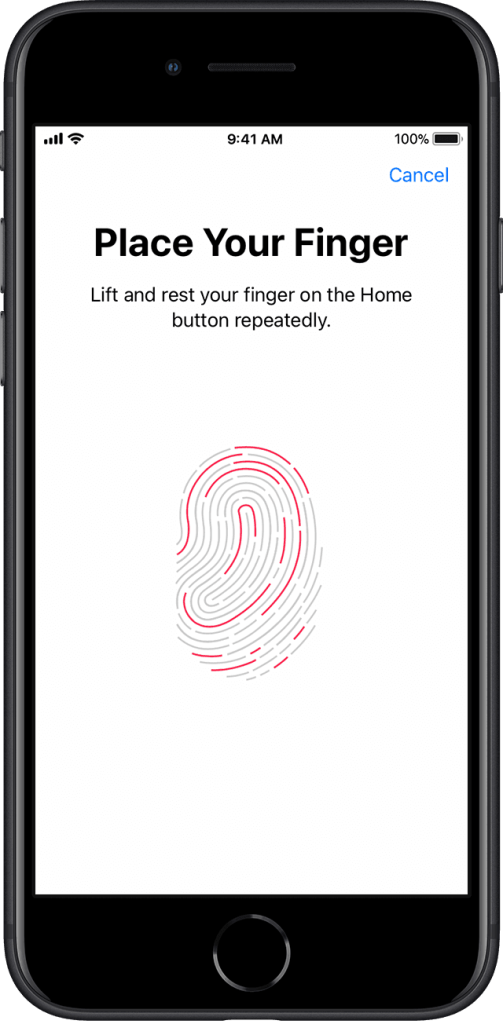
  • Touch ID, September 2013. When Apple introduced the iPhone 5s, it also introduced a new way to log in to the device. Rather than entering a passcode, iPhone 5S users could just use their finger to log in. The technical accomplishment was dwarfed by the legitimacy that this brought to using fingerprints for identification. Before 2013, attempts to implement fingerprint verification for benefits recipients were resisted because fingerprinting was something that criminals did. After September 2013, fingerprinting was something that the cool Apple kids did. The biometric industry changed overnight.

Of course, Apple followed Touch ID with Face ID, with adherents of the competing biometric modalities sparring over which was better. But Face ID wouldn’t have been accepted as widely if Touch ID hadn’t paved the way.

So why hasn’t iris verification taken off?

Iris verification has been around for decades (I remember Iridian before L-1; it’s now part of IDEMIA), but iris verification is nowhere near as popular in the general population as finger and face verification. There are two reasons for this:

  • Compared to other biometrics, irises are hard to capture. To capture a fingerprint, you can lay your finger on a capture device, or “slap” your four fingers on a capture device, or even “wave” your fingers across a capture device. Faces are even easier to capture; while older face capture systems required you to stand close to the camera, modern face devices can capture your face as you are walking by the camera, or even if you are some distance from the camera.
  • Compared to other biometrics, irises are expensive to capture. Many years ago, my then-employer developed a technological marvel, an iris capture device that could accurately capture irises for people of any height. Unfortunately, the technological marvel cost thousands upon thousands of dollars, and no customers were going to use it when they could acquire fingerprint and face capture devices that were much less costly.

So while people rushed to implement finger and face capture on phones and other devices, iris capture was reserved for narrow verticals that required iris accuracy.

With one exception. Samsung incorporated Princeton Identity technology into its Samsung Galaxy S8 in 2017. But the iris security was breached by a “dummy eye” just a month later, in the same way that gummy fingers and face masks have defeated other biometric technologies. (This is why liveness detection is so important.) While Samsung continues to sell iris verification today, it hadn’t been adopted by Apple and therefore wasn’t cool.

Until now.

About the Apple Vision Pro and Optic ID

The Apple Vision Pro is not the first headset that was ever created, but the iPhone wasn’t the first smartphone either. And coming late to the game doesn’t matter. Apple’s visibility among trendsetters ensures that when Apple releases something, people take notice.

And when all of us heard about Vision Pro, one of the things that Apple shared about it was its verification technique. Not Touch ID or Face ID, but Optic ID. (I like naming consistency.)

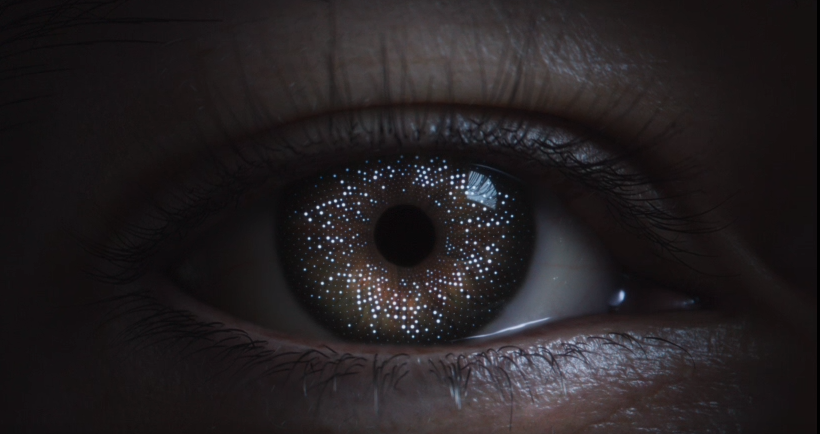
According to Apple, Optic ID works by analyzing a user’s iris through LED light exposure and then comparing it with an enrolled Optic ID stored on the device’s Secure Enclave….Optic ID will be used for everything from unlocking Vision Pro to using Apple Pay in your own headspace.

From The Verge, https://www.theverge.com/2023/6/5/23750147/apple-optic-id-vision-pro-iris-biometrics

So why did Apple incorporate Optic ID on this device and not the others?

There are multiple reasons, but one key reason is that the Vision Pro retails for US$3,499, which makes it easier for Apple to justify the cost of the iris components.

But the high price of the Vision Pro comes at…a price

However, that high price is also the reason why the Vision Pro is not going to revolutionize the biometric industry. CNET admitted that the Vision Pro is a niche item:

At $3,499, Apple’s Vision Pro costs more than three weeks worth of pay for the average American, according to Bureau of Labor Statistics data. It’s also significantly more expensive than rival devices like the upcoming $500 Meta Quest 3, $550 Sony PlayStation VR 2 and even the $1,000 Meta Quest Pro

From CNET, https://www.cnet.com/tech/computing/why-apple-vision-pros-3500-price-makes-more-sense-than-you-think/

Now CNET did go on to say the following:

With Vision Pro, Apple is trying to establish what it believes will be the next major evolution of the personal computer. That’s a bigger goal than selling millions of units on launch day, and a shift like that doesn’t happen overnight, no matter what the price is. The version of Vision Pro that Apple launches next year likely isn’t the one that most people will buy.

From CNET, https://www.cnet.com/tech/computing/why-apple-vision-pros-3500-price-makes-more-sense-than-you-think/

Certainly Vision Pro and Optic ID have the potential to revolutionize the computing industry…in the long term. And as that happens, the use of iris biometrics will become more popular with the general public…in the long term.

But not today. You’ll have to wait a little longer for the next biometric revolution. And hopefully it won’t be a catastrophic event like three of the previous revolutions.

How Can Your Identity Business Create the RIGHT Written Content?

Does your identity business provide biometric or non-biometric products and services that use finger, face, iris, DNA, voice, government documents, geolocation, or other factors or modalities?

Does your identity business need written content, such as blog posts (from the identity/biometric blog expert), case studies, data sheets, proposal text, social media posts, or white papers?

How can your identity business (with the help of an identity content marketing expert) create the right written content?

For the answer, click here.

Updates, updates, updates…

When keeping your websites updated, I advise you to do as I say, not as I do. Two of my websites were significantly out of date and needed hurried corrections.

Designed by Freepik.

I realized this morning that the “My Experience” page on my jebredcal website was roughly a year out of date, so I hurriedly added content to it. Now the page will turn up in searches for the acronym “ABM” (OK, maybe not on the first page of the search results).

Then I had to return to this website to make some hurried updates, since my April 2022 prohibition on taking certain types of work is no longer in effect as of June 2023. Hence, my home page, my “What I Do” page, and (obviously) my identity page are all corrected.

Oh yeah, I updated my Calendly availability hours also. Which is good, because I already have two meetings booked this week.

Which reminds me…if you need Bredemarket’s services:

My…Umm..Opportunity is YOUR Opportunity

A little over a year ago, Bredemarket announced two changes in my business scope and business hours. I stopped accepting work from clients who marketed systems to identify individuals, and I reduced my business hours to Saturday mornings only.

Generated at craiyon.com.

I had to change my business scope and business hours. On May 9, 2022, I started a full-time position with a company in the identity industry, which meant that I couldn’t consult on weekdays and couldn’t consult on identity projects.

But things change.

As of May 31, 2023, I will no longer be employed at my day job.

Which is my misfortune…um…opportunity.

Generated at craiyon.com.

Has Bredemarket changed its business scope and business hours a second time?

Yes.

As of June 1, 2023:

  • If you need a consultant for marketing or proposal work, and your company is involved in the identification of individuals, Bredemarket can accept the work.
  • If you need a consultant who can meet with you during normal business hours, Bredemarket can accept the work.

So what?

My…um…opportunity is your opportunity.

Now that I can expand my business scope and business hours again, you can take advantage of my extensive marketing expertise, including deep experience in the identity industry.

This means you can obtain quickly-generated and expert content with an agreed-upon focus.

This means you can get content that increases your revenue.

What kind of content?

Blog posts, case studies and testimonials, proposals and proposal text, white papers, and many other types of content.

How about e-books?

Yes I also write e-books.

These two e-books explain (a) how Bredemarket starts a project with you, and (b) how Bredemarket has helped other businesses over the years.

(UPDATE OCTOBER 22, 2023: “SIX QUESTIONS YOUR CONTENT CREATOR SHOULD ASK YOU IS SO 2022. DOWNLOAD THE NEWER “SEVEN QUESTIONS YOUR CONTENT CREATOR SHOULD ASK YOU” HERE.)

How can I find out more information about Bredemarket?

Contact me.

But wait…what if Bredemarket changes its business hours and business scope a THIRD time?

I very well could change Bredemarket’s business hours/scope again.

Maybe I’ll find a new full-time position in a couple of weeks, and I’ll again have to reduce hours and scope.

Which basically means that you have to ACT QUICKLY to ensure you can reserve my services.

(See “how to create a sense of urgency.”)

Generated at craiyon.com.

Ajay Patel, Sarah Kane, and the Mob

Last week I enjoyed a three-day vacation from my day job, so I had the opportunity to join SMA’s weekly Town Hall. (I am still officially an SMA Associate, on inactive status.)

SMA Town Halls usually begin with an “Art Talk,” and last week’s Art Talk focused on art in Las Vegas.

Coincidentally, I was leaving for Las Vegas later that day.

Sarah Kane’s presentation last week covered the Mob Museum.

Coincidentally, I had reservations to visit that museum on Saturday.

When I shared this in the Town Hall chat, Ajay Patel requested that I share pictures of my visit. Here they are.

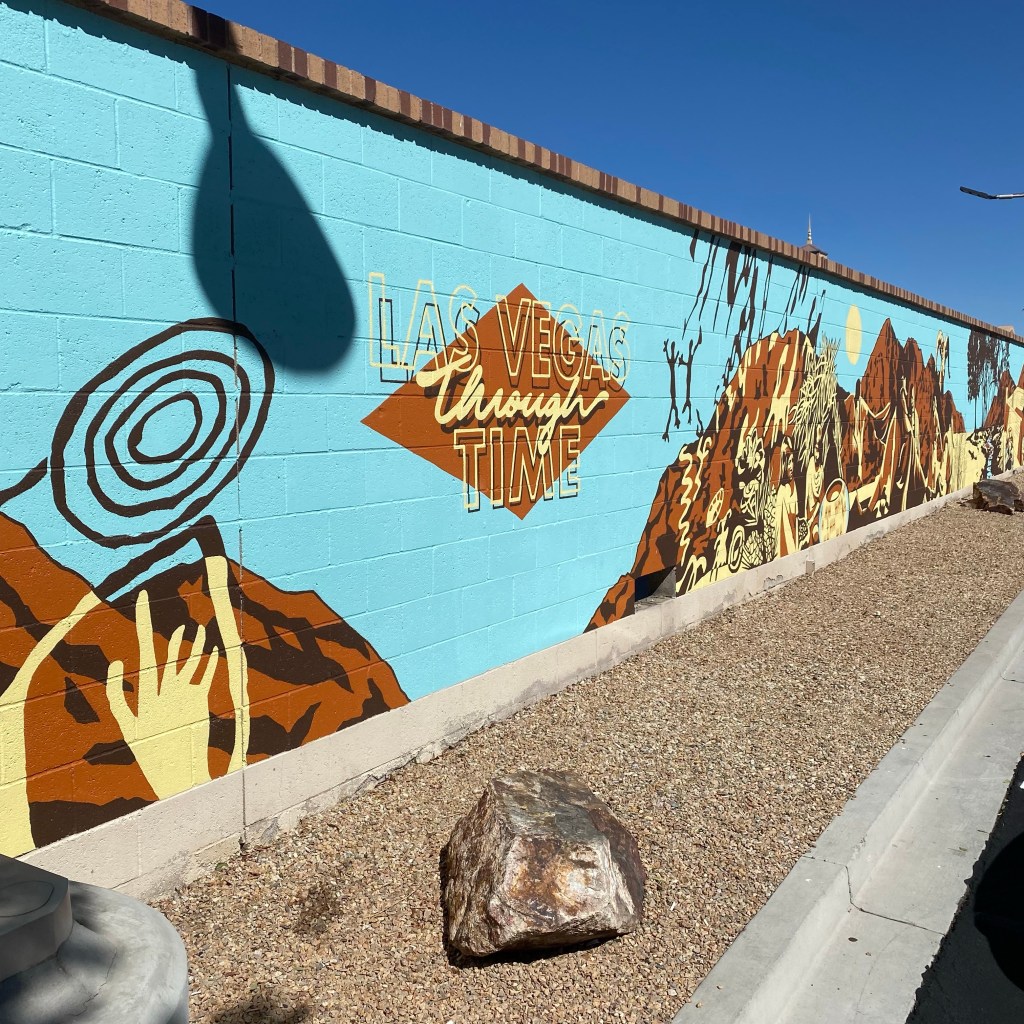
This parking lot wall depicts the history of Las Vegas. Kane had nicer pictures in her Art Talk; cars obscured much of the wall when I visited.

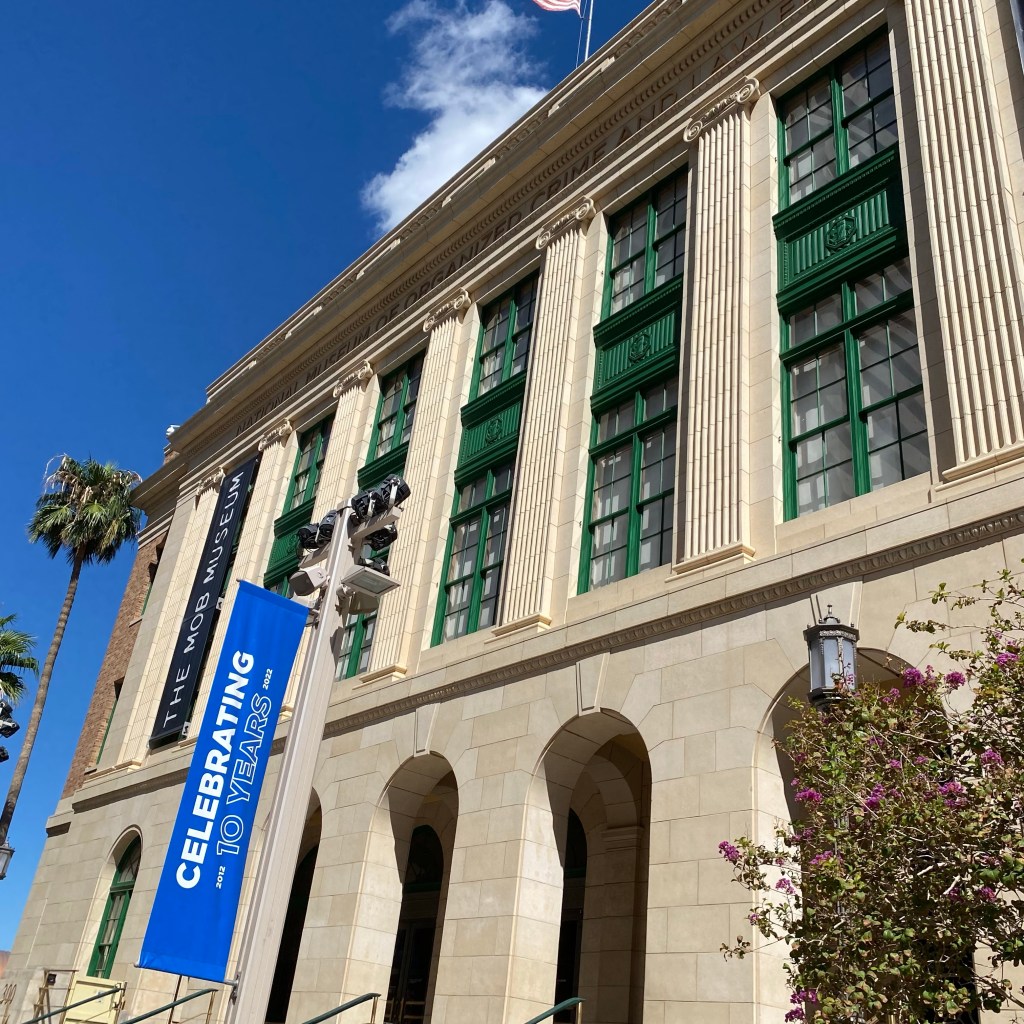
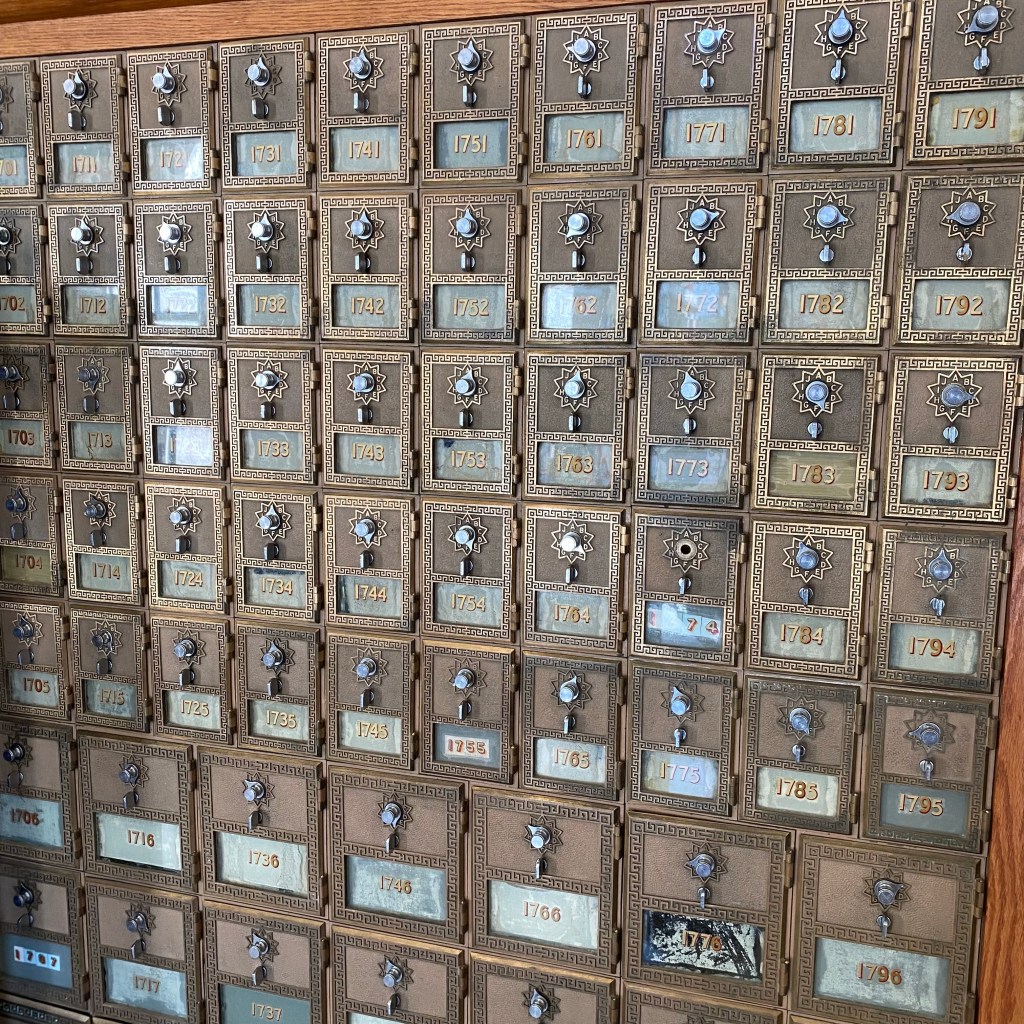
The museum is located in a historic Post Office building that also hosted a courtroom. More on that later.

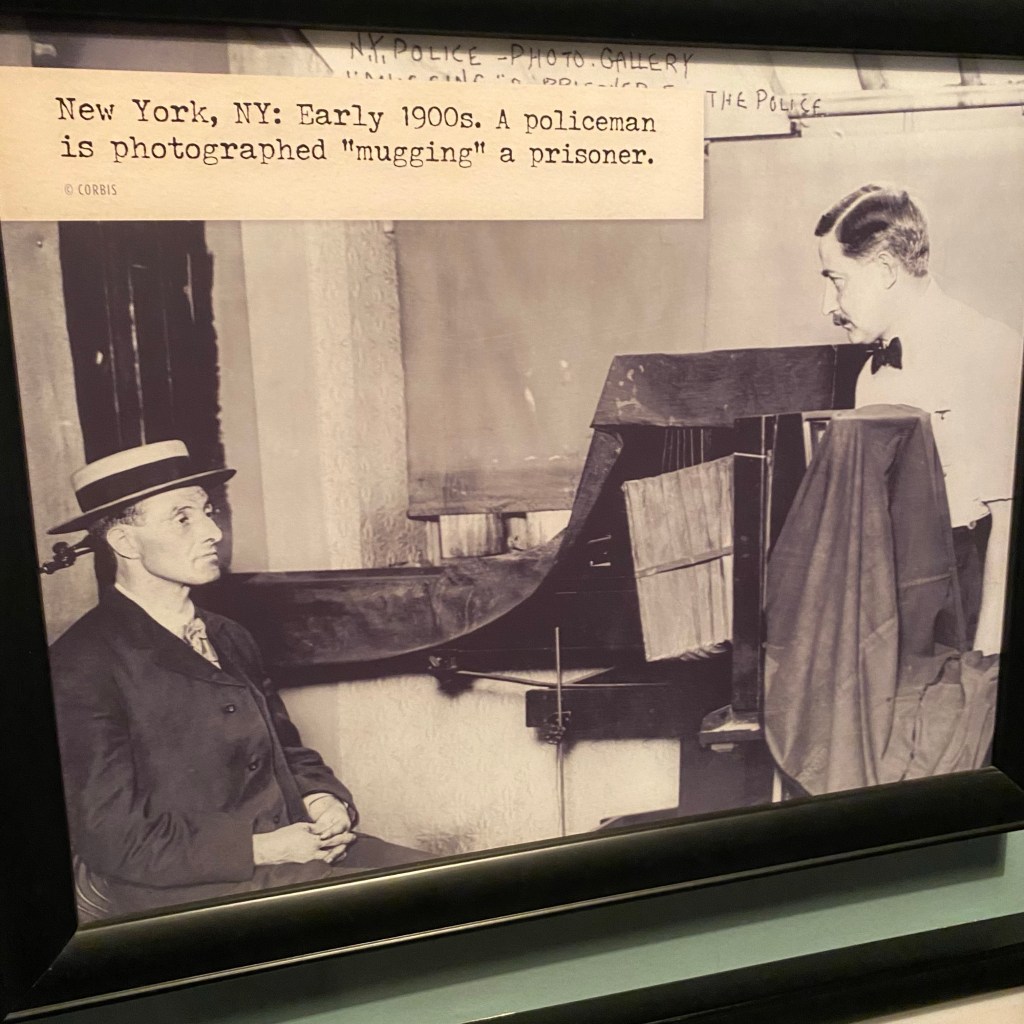
Mugshots, early 20th century.

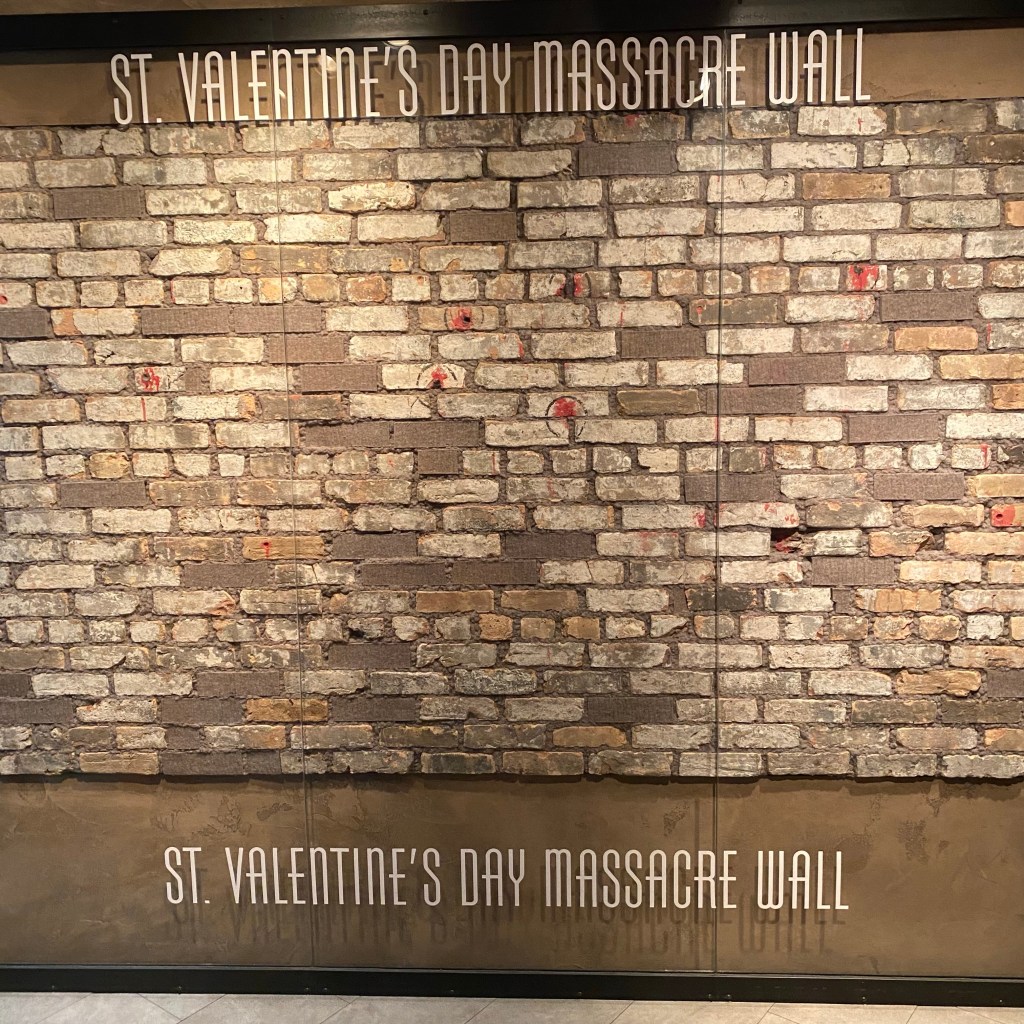
This wall was the backdrop from Chicago’s St. Valentine’s Day Massacre in 1929. The bricks were subsequently relocated to Las Vegas.

If you don’t know why this ticket from the 1919 World Series is in the National Mob Museum, look it up.

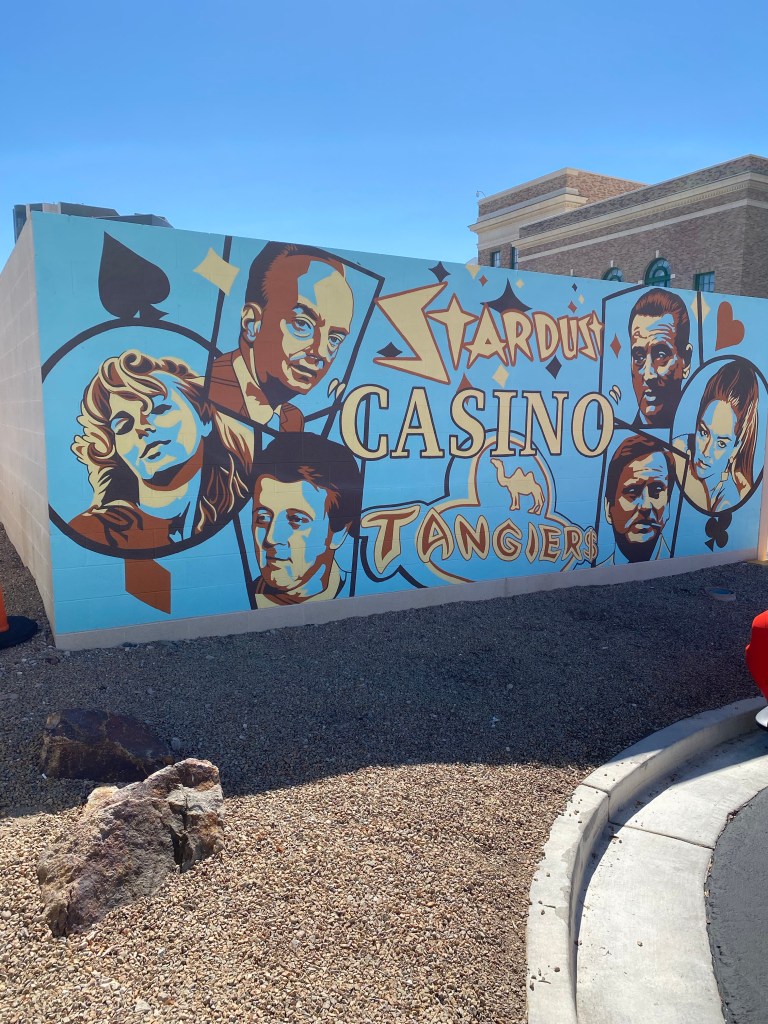
Lest you think that all mob activity was centered in Chicago, there may have been a little mob activity in Las Vegas also. Some of the casinos from the 1940s and later had questionable financing (and questionable accounting), and the aforementioned courtroom was the site of hearings chaired by Senator Estes Kefauver.

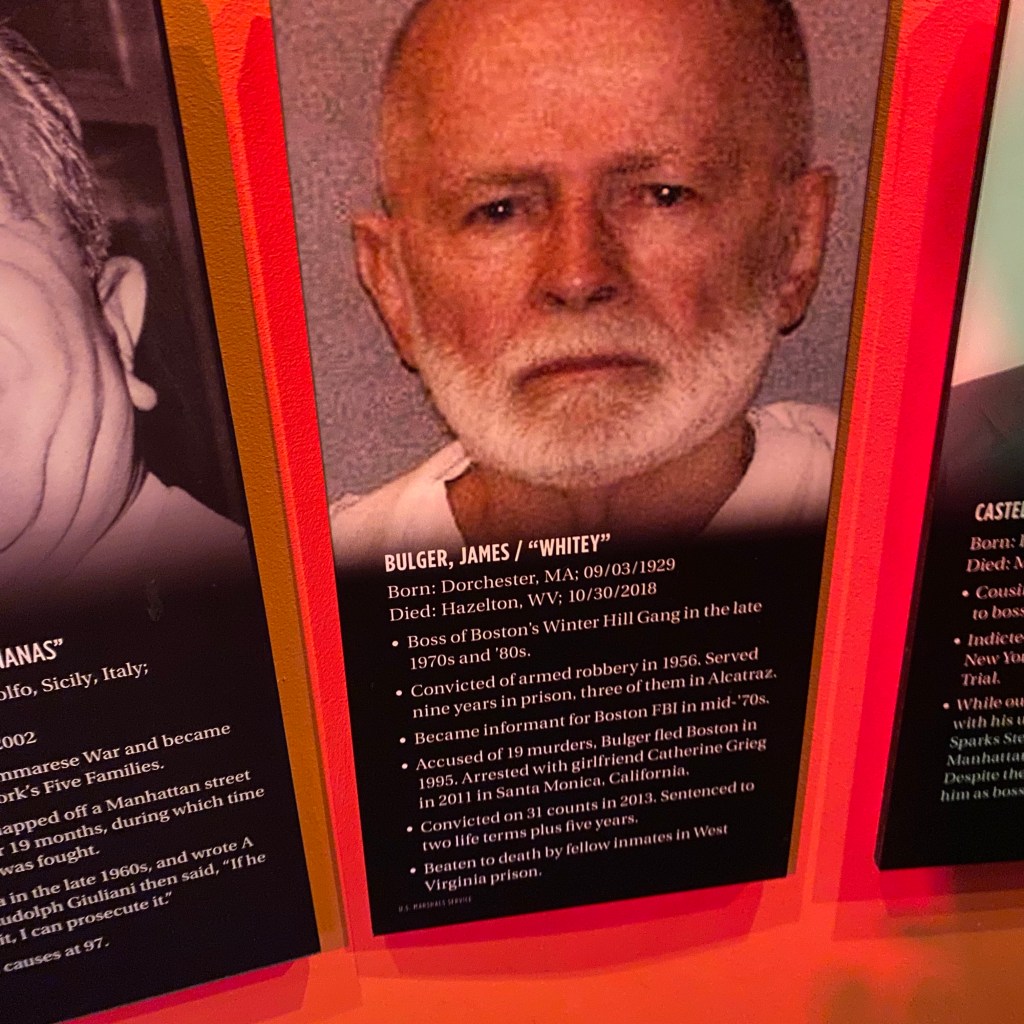
If you’ve worked for a couple of facial recognition/video surveillance companies (the I and N companies come to mind), you’ve probably compared a picture from an early Whitey Bulger arrest to a later picture of Bulger. He ended up in prison in his later years, and did not survive the experience.

El Chapo was in a Mexican prison but escaped. He’s in SuperMax now.

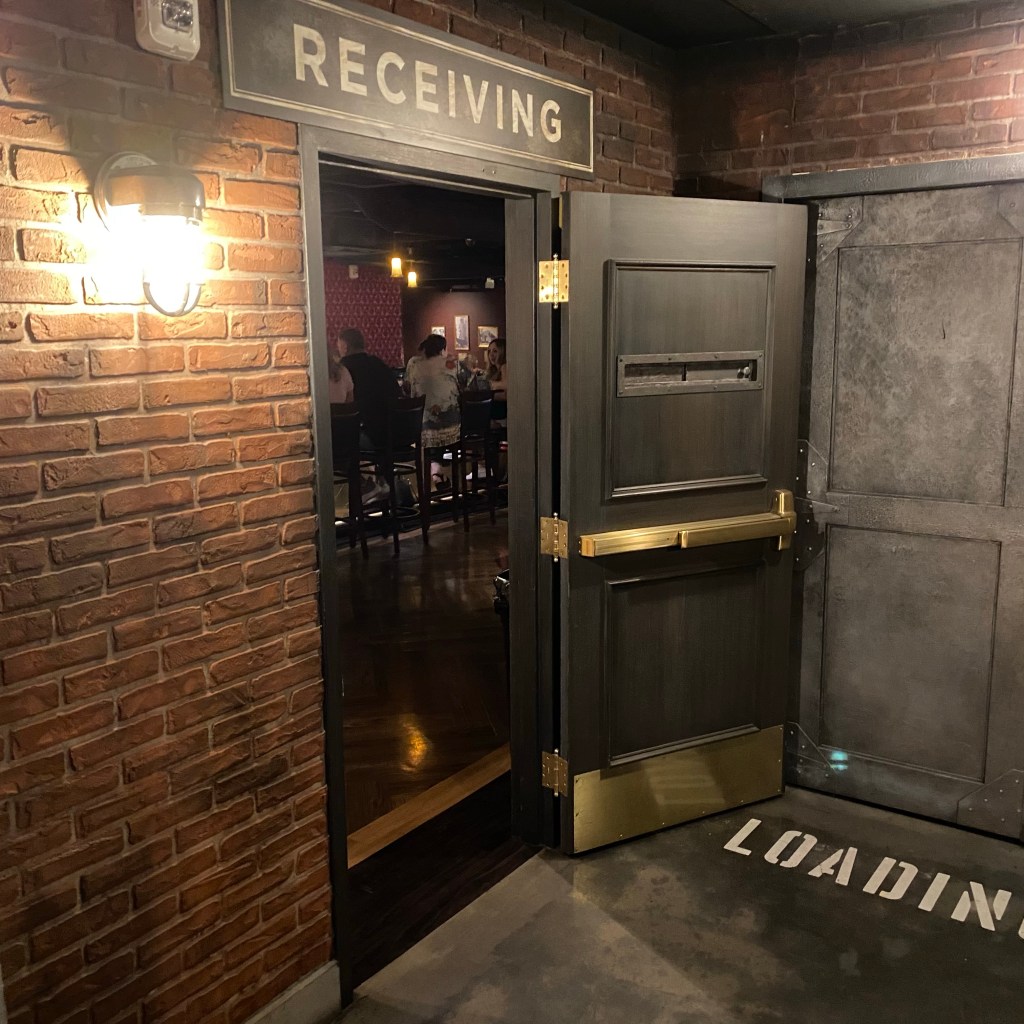
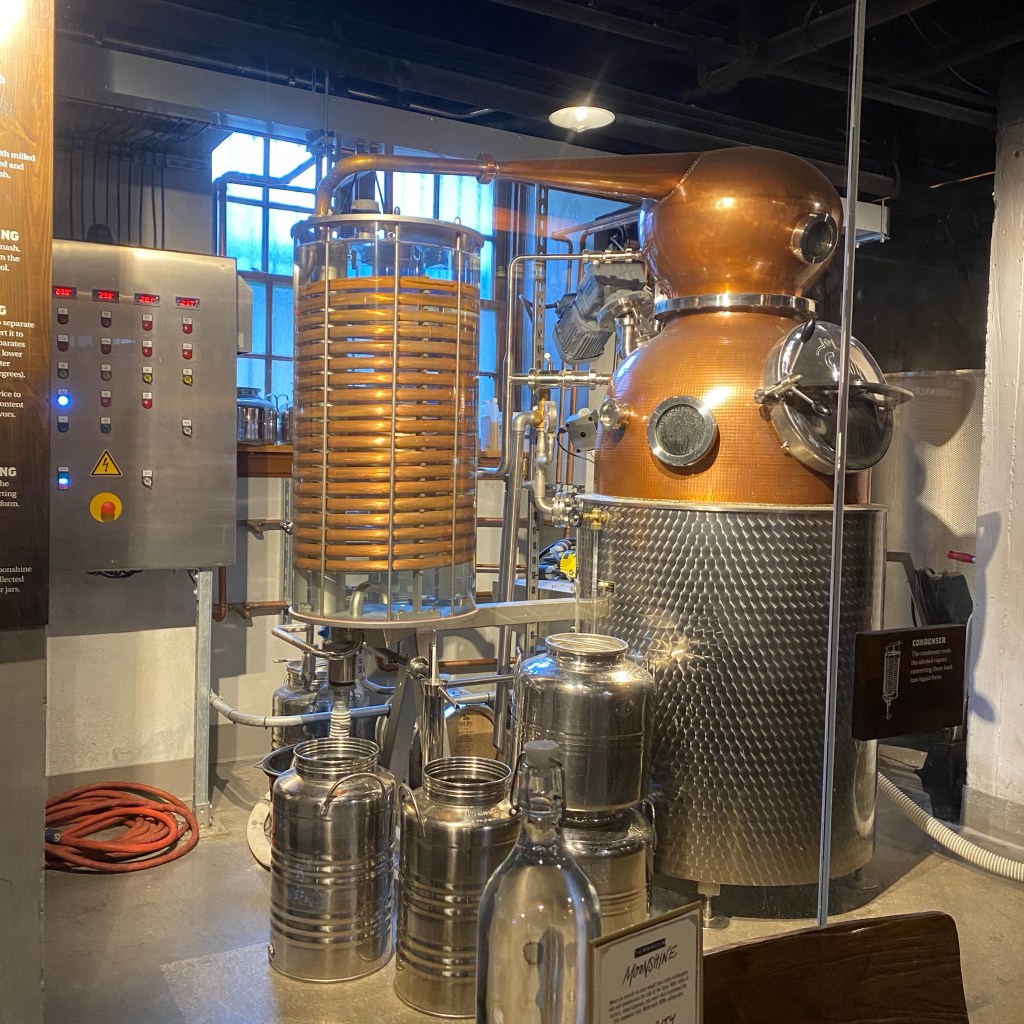
I finished my visit to the Mob Museum in a speakeasy. Special medicines may or may not have been consumed. Sorry, no pictures of any alleged consumption.

Two companies that can provide friction ridge/face marketing and writing services, now that Bredemarket won’t

I recently announced a change in business scope for my DBA Bredemarket. Specifically, Bredemarket will no longer accept client work for solutions that identify individuals using (a) friction ridges (including fingerprints and palm prints) and/or (b) faces.

This impacts some companies that previously did business with me, and can potentially impact other companies that want to do business with me. If you are one of these companies, I am no longer available.

Fingerprint evidence
From https://nvlpubs.nist.gov/nistpubs/SpecialPublications/NIST.SP.500-290e3.pdf (a/k/a “leisure reading for biometric system professionals”).

Since Bredemarket will no longer help you with your friction ridge/face marketing and writing needs, who will? Who has the expertise to help you? I have two suggestions.

Tandem Technical Writing

Do you need someon who is not only an excellent communicator, but also knows the ins and outs of AFIS and ABIS systems? Turn to Tandem Technical Writing LLC.

I first met Laurel Jew back in 1995 when I started consulting with, and then working for, Printrak. In fact, I joined Printrak when Laurel went on maternity leave. (I was one of two people who joined Printrak at that time. As I’ve previously noted, Laurel needed two people to replace her.)

Laurel worked for Printrak and its predecessor De La Rue Printrak for several years in its proposals organization.

Today, her biometric and communication experience is available to you. Tandem Technical Writing provides its clients with “15 years of proposal writing and biometrics technology background with high win %.”

Why does this matter to you? Because Laurel not only understands your biometric business, but also understands how to communicate to your biometric clients. Not many people can do both, so Laurel is a rarity in this industry.

The Tandem Technical Writing website is here.

To schedule a consultation, click here.

Applied Forensic Services

Perhaps your needs are more technical. Maybe you need someone who is a certified forensics professional, and who has also implemented many biometric systems. If that is your need, then you will want to consider Applied Forensic Services LLC.

I met Mike French in 2009 when Safran acquired Motorola’s biometric business and merged it into its U.S. subsidiary Sagem Morpho, creating MorphoTrak (“Morpho” + “Printrak”). I worked with him at MorphoTrak and IDEMIA until 2020.

Unlike me, Mike is a true forensic professional. (See his LinkedIn profile.) Back in 1994, when I was still learning to spell AFIS, Mike joined the latent print unit at the King County (Washington) Sheriff’s Office, where he spent over a decade before joining Sagem Morpho. He is an IAI-certified Latent Print Examiner, an IEEE-certified Biometric Professional, and an active participant in IAI and other forensic activities. I’ve previously referenced his advice on why agencies should conduct their own AFIS benchmarks.

Why does this matter to you? Because Mike’s consultancy, Applied Forensic Services, can provide expert advice on biometric procurements and implementation, ensuring that you get the biometric system that addresses your needs.

Applied Forensic Services offers the following consulting services:

The Applied Forensic Services website is here.

To schedule a consultation, click here.

Yes, there are others

There are other companies that can help you with friction ridge and face marketing, writing, and consultation services.

I specifically mention these two because I have worked with their principals both as an employee during my Printrak-to-IDEMIA years, and as a sole proprietor during my Bredemarket years. Laurel and Mike are both knowledgeable, dedicated, and can add value to your firm or agency.

And, unlike some experienced friction ridge and face experts, Laurel and Mike are still working and have not retired. (“Where have you gone, Peter Higgins…”)

Bredemarket announcement: change in business scope

Effective immediately:

  1. Bredemarket does not accept client work for solutions that identify individuals using (a) friction ridges (including fingerprints and palm prints) and/or (b) faces.
  2. Bredemarket does not accept client work for solutions that identify individuals using secure documents, such as driver’s licenses or passports. 

Pangiam/Trueface: when version 1.0 of the SDK is the REVISED version

After a lack of appearances in the Bredemarket blog (none since November), Pangiam is making an appearance again, based on announcements by Biometric Update and Trueface itself about a new revision of the Trueface facial recognition SDK.

The new revision includes a number of features, including a new model for masked faces and some technical improvements.

So what is this revision called?

Version 1.0.

“Wait,” you’re asking yourself. “Version 1.0 is the NEW version? It sounds like the ORIGINAL version. Shouldn’t the new version be 2.0?”

Well, no. The original version was V0. Trueface is now ready to release V1.

Well, almost ready.

If you go to the Trueface SDK reference page, you’ll see that Trueface releases are categorized as “alpha,” “beta,” and “stable.”

  • When I viewed the page on the afternoon of March 28, the latest stable release was 0.33.14634.
  • If you want to use the version 1.0 that is being “introduced” (Pangiam’s word), you have to go to the latest beta release, which was 1.0.16286.
  • And if you want to go bleeding edge alpha, you can get release 1.1.16419.

(Again, this was on the afternoon of March 28, and may change by the time you read this.)

Now most biometric vendors don’t expose this much detail about their software. Some don’t even provide any release information, especially for products with long delivery times where the version that a customer will eventually get doesn’t even have locked-down requirements yet. But Pangiam has chosen to provide this level of detail.

Oh, and Pangiam/Trueface also actively participates in the ongoing NIST FRVT testing. Information on the 1:1 performance of the trueface-003 algorithm can be found here. Information on the 1:N performance of the trueface-000 algorithm can be found here.

Clearview AI and Ukraine: when a company pursues the interests of its home country

In the security world (biometrics, access control, cybersecurity, and other areas), there has been a lot of discussion about the national origins and/or ownership of various security products.

If a particular product originates in country X, then will the government of country X require the product to serve the national interests of country X?

You see the effects of this everywhere:

  • FOCI mitigation at U.S. subsidiaries of foreign countries.
  • Marketing materials that state that a particular product is the best “among Western vendors” (which may or may not explain why this is important – see the second caveat here for examples).
  • European Union regulations that serve to diminish American influence.
  • The policies of certain countries (China, Iran, North Korea, Russia) that serve to eliminate American influence entirely.

Clearview AI, Ukraine, and Russia

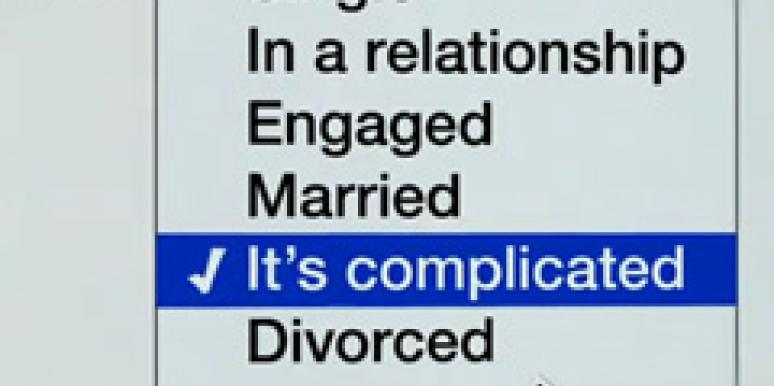
Clearview AI is a U.S. company, but its relationship with the U.S. government is, in Facebook terms, “complicated.”

It’s complicated primarily because “the U.S. government” consists of a number of governments at the federal, state, and local level, and a number of agencies within these governments that sometimes work at cross-purposes with one another. Some U.S. government agencies love Clearview AI, while others hate it.

However, according to Reuters, the Ukrainian government can be counted in the list of governments that love Clearview AI.

Ukraine is receiving free access to Clearview AI’s powerful search engine for faces, letting authorities potentially vet people of interest at checkpoints, among other uses, added Lee Wolosky, an adviser to Clearview and former diplomat under U.S. presidents Barack Obama and Joe Biden.

From https://www.reuters.com/technology/exclusive-ukraine-has-started-using-clearview-ais-facial-recognition-during-war-2022-03-13/

But before you assume that Clearview is just helping anybody, Reuters also pointed this out.

Clearview said it had not offered the technology to Russia…

From https://www.reuters.com/technology/exclusive-ukraine-has-started-using-clearview-ais-facial-recognition-during-war-2022-03-13/

Here is an example of a company that is supporting certain foreign policies of the government in which it resides. Depending upon your own national origin, you may love this example, or you may hate this example.

Of course, even some who support U.S. actions in Ukraine may not support Clearview AI’s actions in Ukraine. But that’s another story.