As it should be. Click the blooper picture below to see it.

Identity/biometrics/technology marketing and writing services
As it should be. Click the blooper picture below to see it.

I ONLY want my hungry people to view this latest Biometric Product Marketing Expert short.
Good. Now that they’re all gone, let’s talk about how a Biometric Product Marketing Expert can help your company.
Don’t tell anyone I said this, but LinkedIn dot com slash in slash jbredehoft.
I’m working on a non-Bredemarket video.
Remember the pictures I shared on Thursday? (Try not to remember that the blog post was originally entitled “Sneak Peak.”)
Well, here’s the audio.
See you…Saturday?

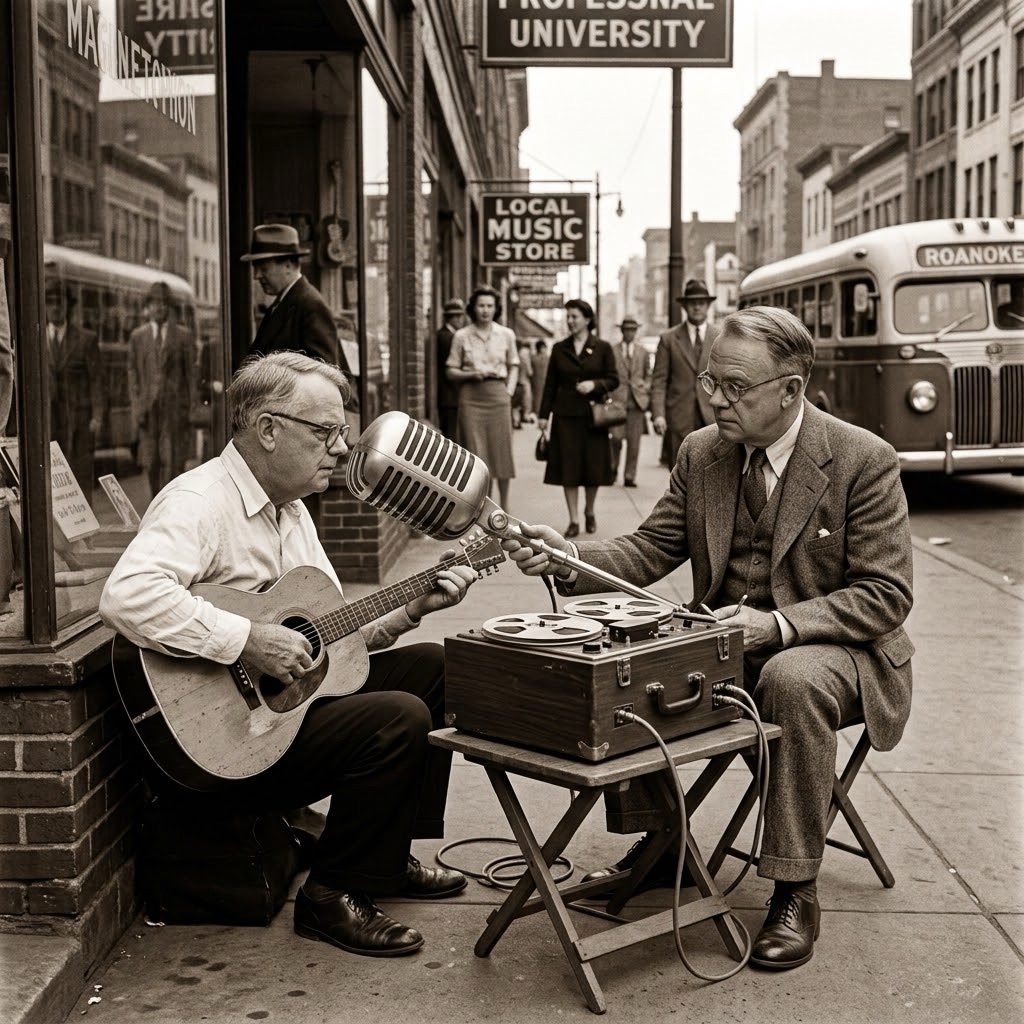
I’m working on another personal non-Bredemarket video, and it includes these pictures representing five biometric modalities: finger, face, iris, voice, and DNA.
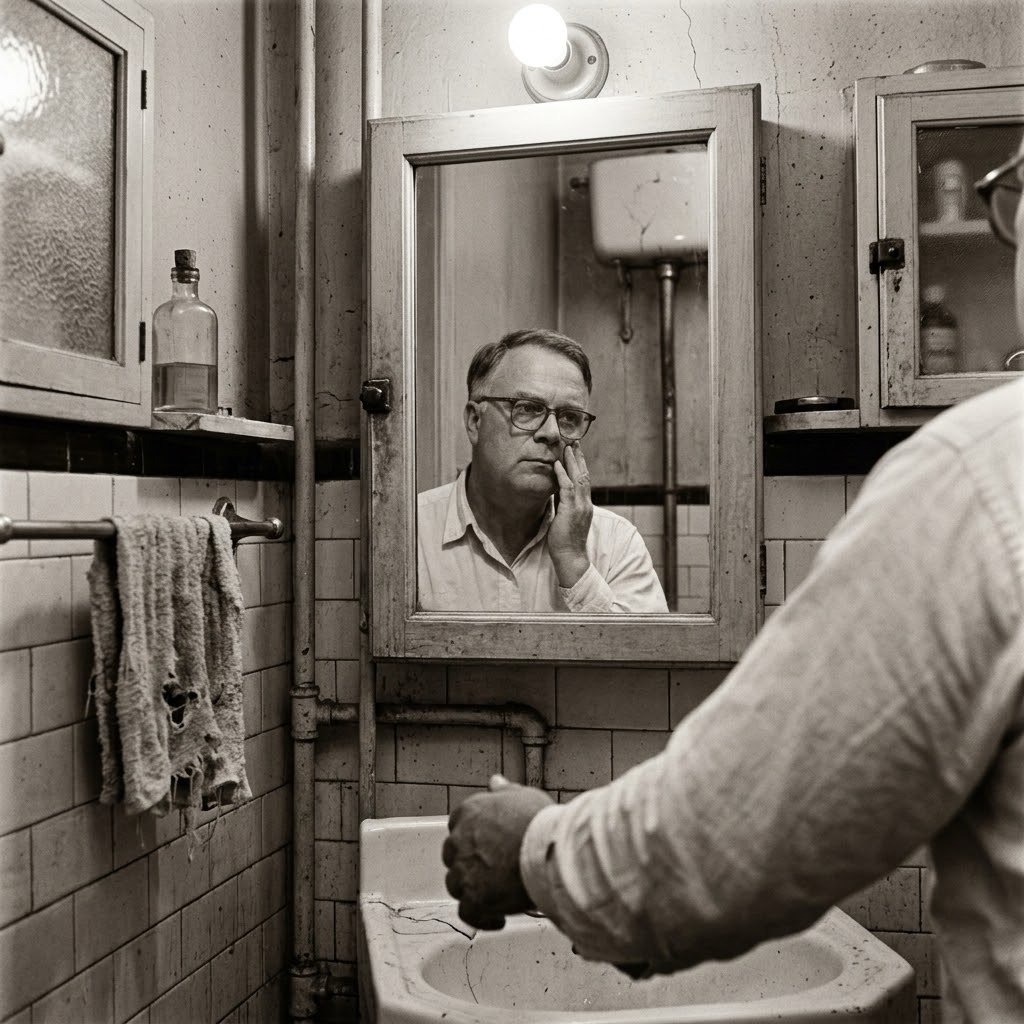
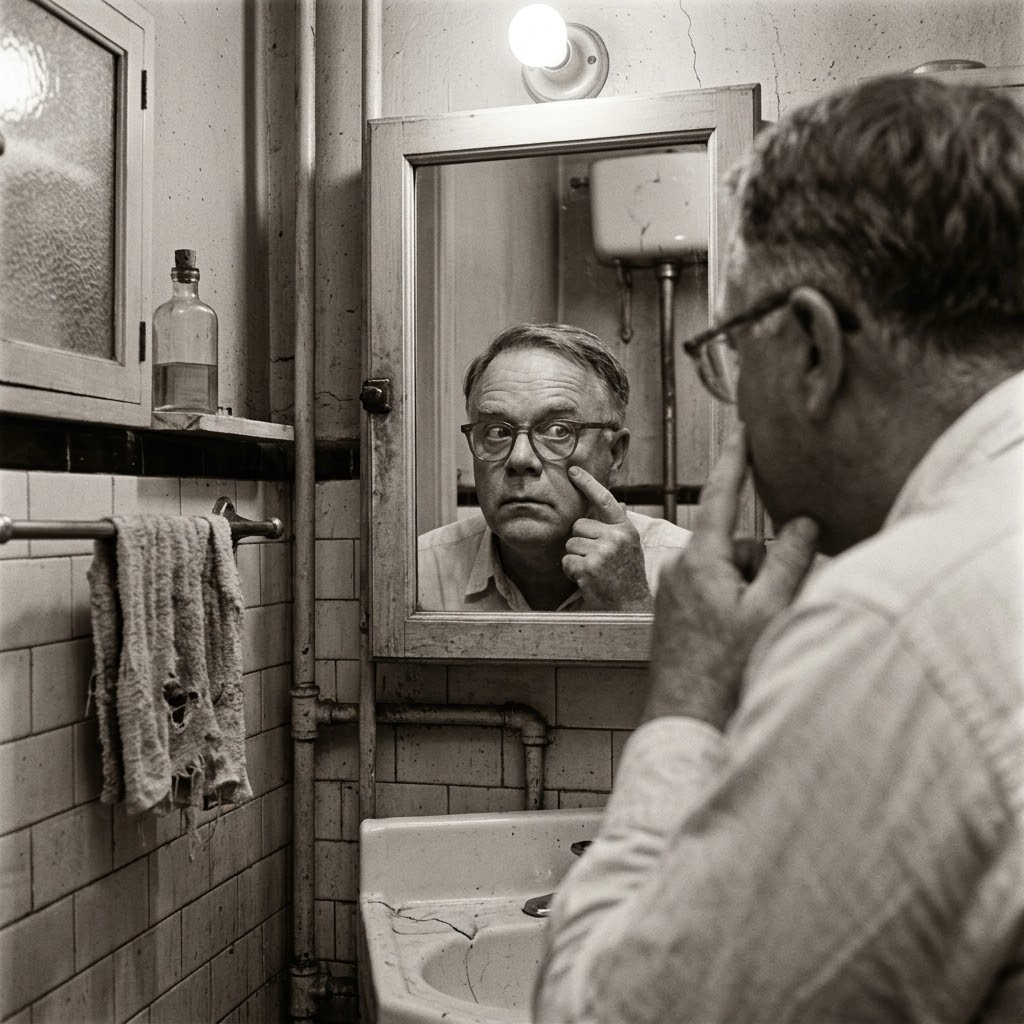
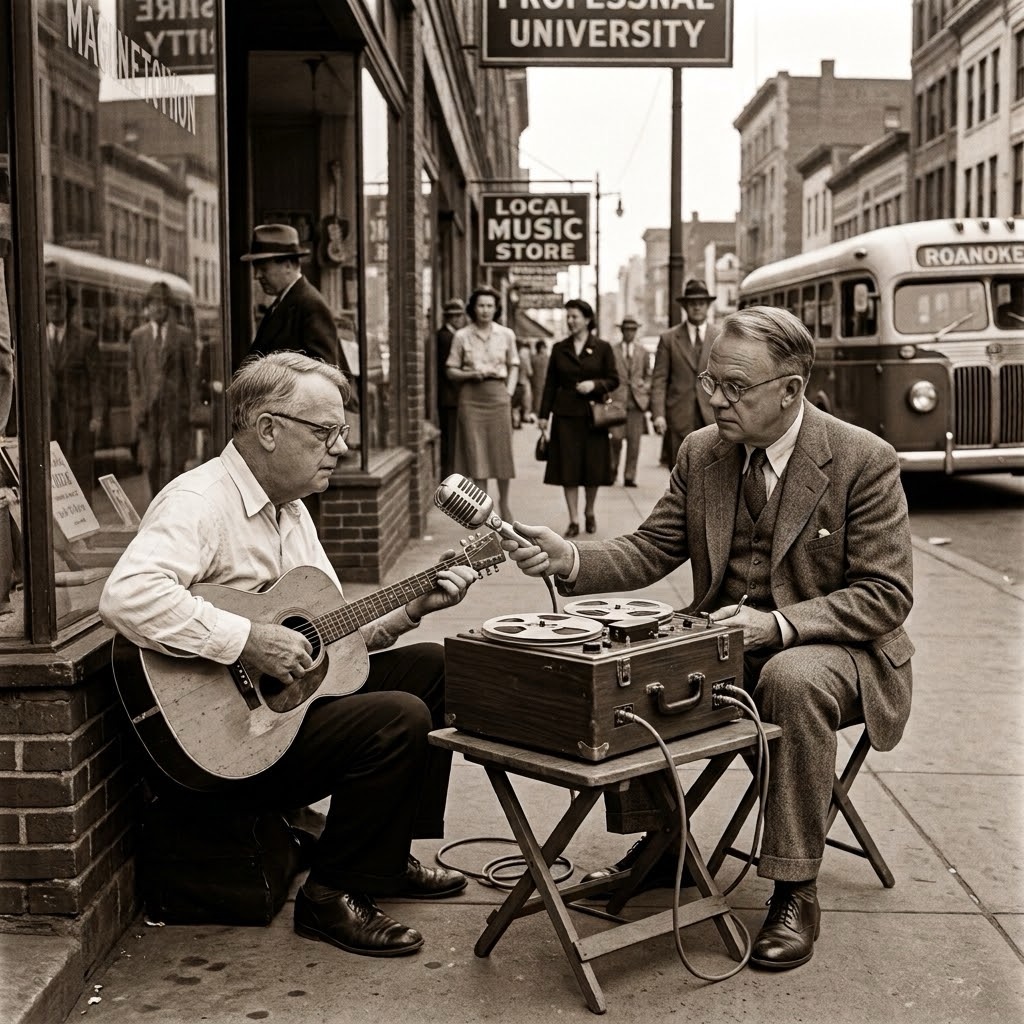
Plus this blooper.
All images Google Gemini.

Your firm markets products that identify people based on who they are. Their friction ridges. Their faces. Their irises. Their voices. Their DNA.
Your firm needs marketing content (such as case studies), winning proposals, and strategic analyses.
Your firm needs outside help.
Your firm needs the biometric product marketing expert.
Talk to Bredemarket.
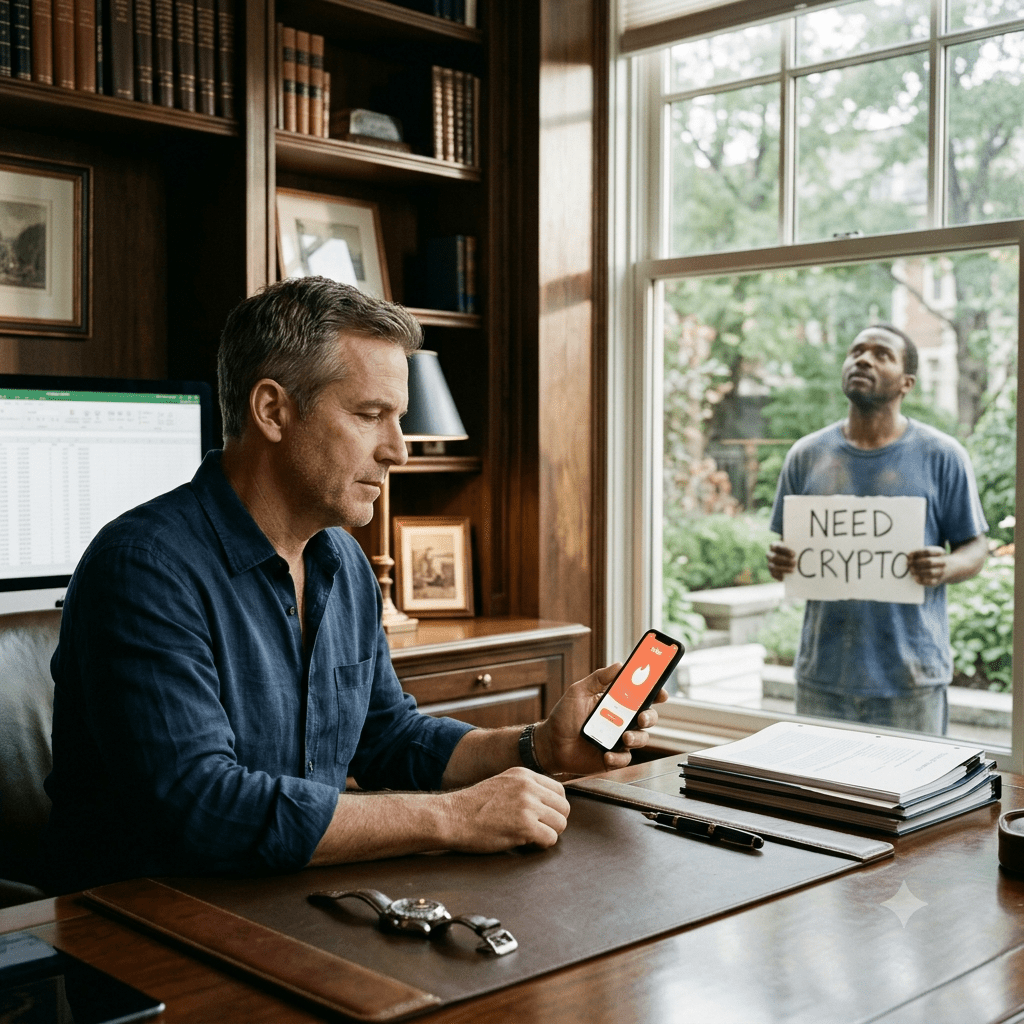
When Bredemarket started covering the iris company then known as Worldcoin, it positioned itself as a revenue generator for third world users who wanted to prove their humanity (but not their identity).
“Once uniqueness is determined, the person can get money money money with an assurance that the same person won’t get money twice.”
The only problem was that their governments disagreed.
And the WLD token declined in value.
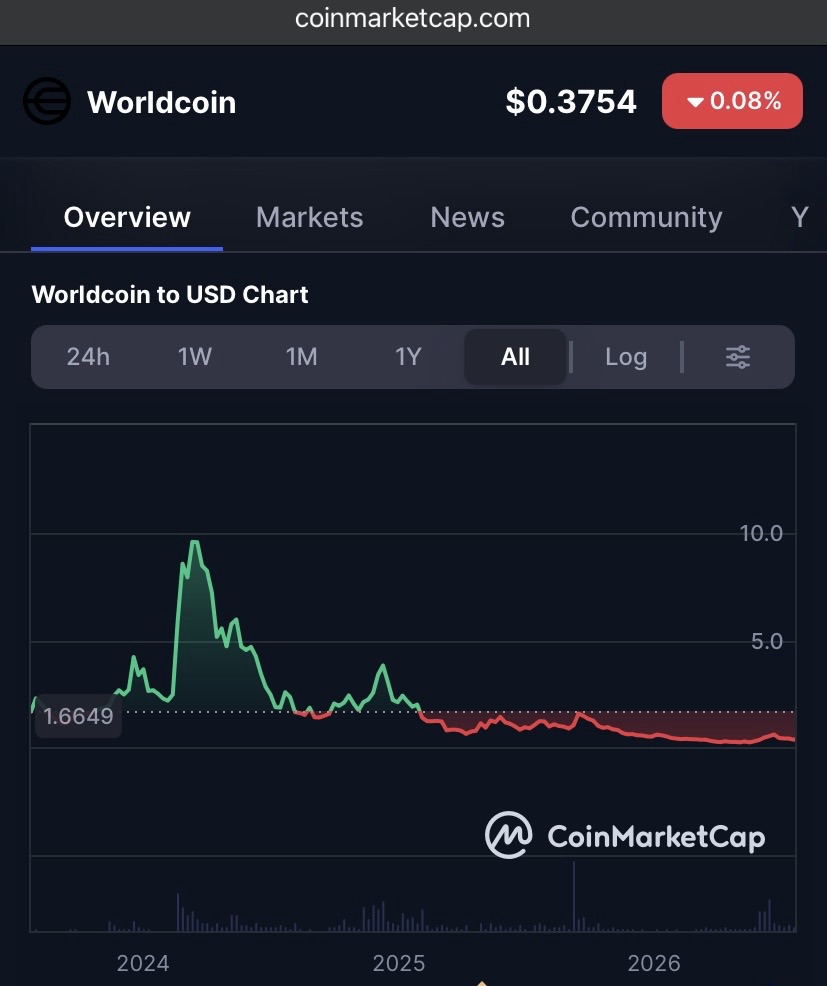
So the company, now called World, is regrouping.
“As utility across the network increases, World is evolving its growth model to prioritize real-world utility and ecosystem participation. In the early stages of the network, token incentives played an important role in helping bootstrap adoption and participation. Going forward, World’s growth model will rely primarily on the utility from the products, services, and experiences powered by World ID.”
And they’re focusing on five countries:
We’ve seen this.
This is not a defeat; companies continuously evolve. I still remember when Apple Computer only made computers. Creation of the iPod (and the iPhone) wasn’t a failure.
But if you’re looking for someone to lift the developing world out of poverty, look elsewhere.
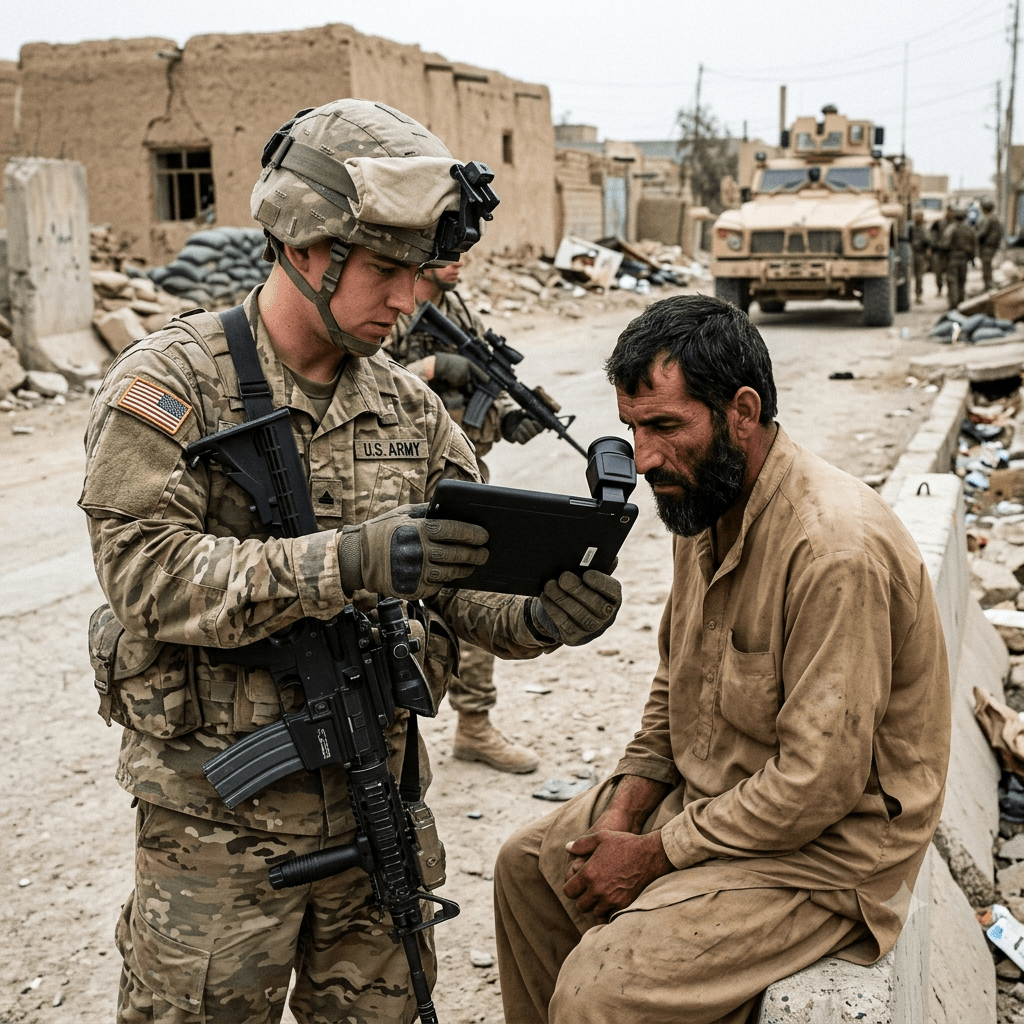
Iris solution vendors, I hope you saw the latest and greatest from SAM.gov (PEO-TIS: Contactless Iris Collection Collaboration Event (CE)):
CONTACTLESS iris?
Now wait a minute.
Is anyone actually proposing CONTACT iris collection?
And I’m not talking about the old system of putting your iris really close to the camera. I’m talking about the iris TOUCHING the collection device, like many fingerprint systems do today.
I don’t think so.
But let’s look at the meat of the opportunity.
SOFWERX, in collaboration with USSOCOM Program Executive Office Tactical Information Systems (PEO-TIS), will host a series of events to complete a study of mobile devices (Android-based cell phones and tablets) with built-in cameras for their use in unaided iris localization and collection, including resolution testing and image distortion analysis.
Note the word “unaided.” It’s a lot easier to capture irises if the capture device does the work for you. Soldiers in the field don’t have time to precisely position the camera with an uncooperative subject.
A previous study indicated that it is possible to conduct iris localization using a mobile device camera, but a wider population pool is required to validate these results. A wider population of 500-1000 is adequate to prove the basic viability of the biometric algorithm.
Hey, it’s not a million people, but it’s not bad.
If you’re an iris solution vendor and register by August 28, here’s the timeline:
See the SAM.gov announcement for more details.
Since this effort is primarily technical, Bredemarket can’t drive the effort. But if you need assistance in content, proposal, or analysis materials before, during, and after the event, talk to me.

I haven’t said anything substantive about World (formerly Worldcoin) since it fell into the Gap a few months ago.
It’s fallen in a retail district again…but not at a Gap.
“World…has opened a permanent flagship at 48 Oxford Street in London, placing its proof-of-human technology at the center of one of the world’s highest-footfall retail corridors.”
Why?
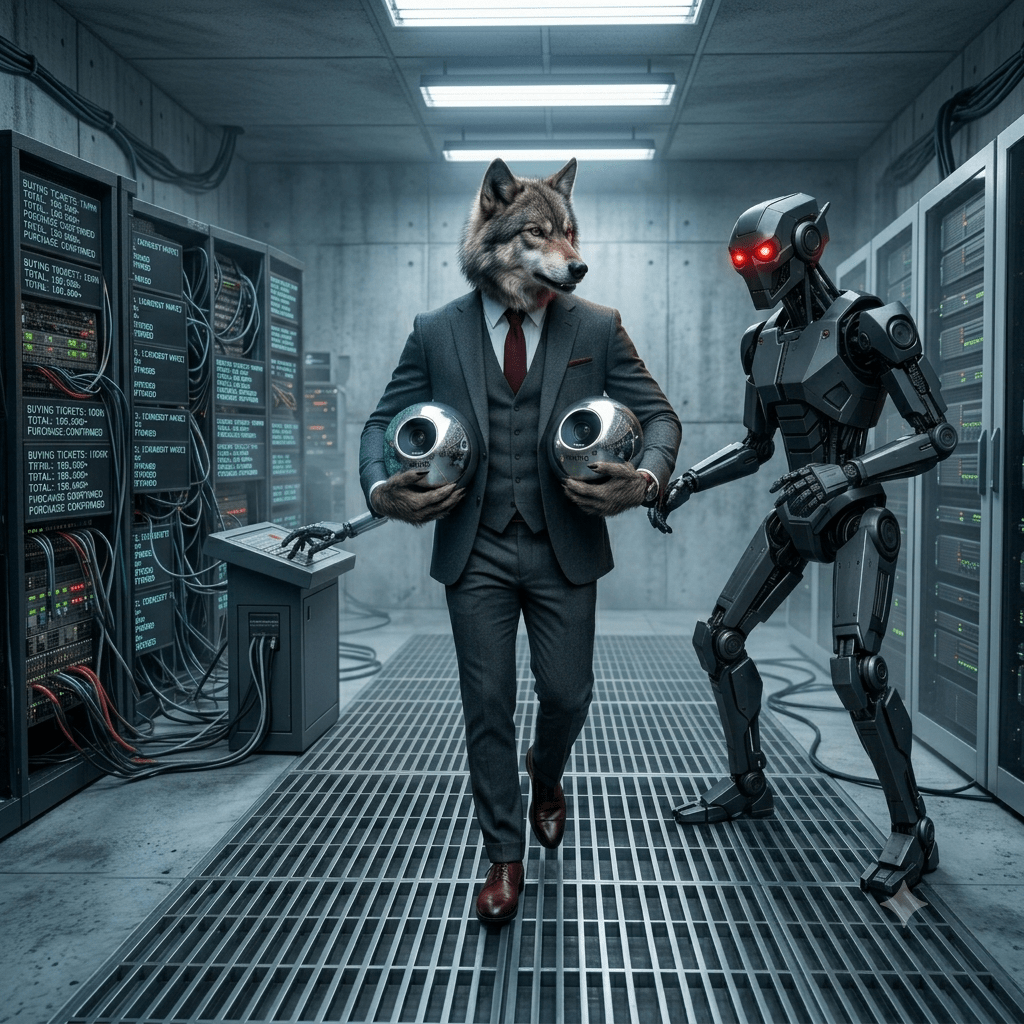
“A survey sponsored by Tools for Humanity found nearly one in three UK fans believe bots and resellers buy up event tickets before genuine fans can.
“World’s Concert Kit tool applies human verification directly to ticket purchases, routing allocations to verified individuals rather than automated scripts.”
Fight the scalperbots!

Usually I ask, then I act. But this week Bredemarket has just been asking…and I haven’t asked anything of fingerprint or face firms. Let me explain why I skipped over finger and face and went straight to iris and DNA.
Visibility.
With Bredemarket’s help in content, proposals, and analysis.
Book a free meeting at https://bredemarket.com/mark/
Examples of what Bredemarket can write for your firm to attract prospects:

 Bredemarket