Returning to the Quite a Long Way Away Project (BRIAR)

In early 2025 I wrote two posts about efforts to recognize people from quite a long way away. The first was designed to recognize people one kilometer away, while the second increased the distance to 100 kilometers. At the time I vaguely remembered WHY institutions were mounting these research efforts:

“I can’t find it, and I failed to blog about it (because reasons), but several years ago there was a U.S. effort to recognize people from quite a long way away….The U.S. effort was not a juvenile undertaking, but from what I recall was seeking solutions to wartime use cases, in which the enemy (or a friend) might be quite a long way away.”

It took me two years to remember the program (BRIAR) and the agency involved (IARPA).

“The BRIAR program aims to provide the U.S. Intelligence Community with the ability to perform accurate and reliable biometric identity intelligence across a wider range of imagery and collected from a wider selection of sensor platforms.”

The program began in 2021, and we’re starting to see the results, including this latest effort.

“A multi-university research team has developed a biometric recognition system designed to identify people at long distances using not only facial recognition, but also gait and body-shape analysis captured from drones and elevated surveillance video.

“The system, called FarSight, points toward a broader form of biometric surveillance in which people may be identifiable even when their faces are partially obscured, low resolution or unavailable….

“The system was evaluated using the Intelligence Advanced Research Projects Activity’s (IARPA) Biometric Recognition and Identification at Altitude and Range dataset, known as BRIAR. The program is aimed at extending biometric recognition into difficult operational conditions, including severe range, altitude and image quality constraints.”

At long distances, it’s easier to capture someone’s body shape or gait than it is to capture their face. Not sure of the accuracy, though, which is why this is being studied.

Yes, there are numerous methods of proving humanity.

A Less Serious Observation of Memorial Day

Last year I wrote a very serious observation of Memorial Day, noting that it is not just a pool party and grill day.

“To be blunt about it, Memorial Day is a day about death, and if you can’t handle this truth, go back to the pool.”

I encourage you to read this to understand what Memorial Day is about.

Riverside National Cemetery picture Sigris Lopez, CC BY-SA 4.0. Source.

Since I covered the serious side of Memorial Day last year, today I will instead acknowledge that it IS a day for many to relax.

Patriotic shorts inspired by Danie Wylie, but with an Inland Empire feel. (For the IE and other tech firms that need marketing and writing services…tomorrow.)

Google Gemini.

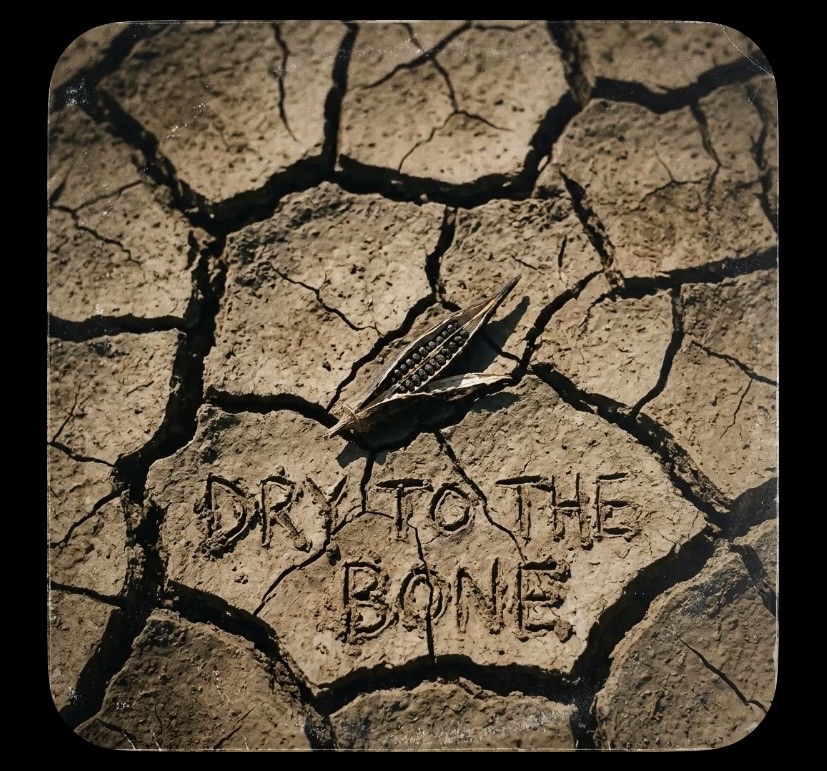
Dry To The Bone

You’re not gonna hear this song about dry fingerprint ridges on Top 40 radio. But for a select few biometric product marketers, it highlights a critically important issue.

“Dry To The Bone #1.” Google Lyria.

Why?

Because dry fingerprint ridges, while not a common worry among the general populace, ARE a concern among law enforcement, homeland security, financial institution, and other professionals who depend on high-quality friction ridge capture to solve crimes and identify people.

And these people desperately need products that accurately capture fingerprints in challenging conditions.

And the product vendors need to communicate their product benefits to potential vendors. (Whoops, I mean prospects.)

That’s where Bredemarket comes to save the day.

Not with music.

“Tracing the Ridge.” Google Lyria.

(Thankfully.)

Through Bredemarket, I work with you to develop the customer-focused, benefits-oriented words that move your prospects toward your fingerprint capture solution.

If you want prospects to buy your identity product, schedule a free meeting with the biometric product marketing expert.

Stop losing prospects!

And…I couldn’t resist one more.

“Dry To The Bone #2.” Google Lyria.

The Precision Trap

I recently converted my blog post “Top 3 Identity/Biometric Marketing Mistakes: Avoid These False Differentiators” into a video, “Avoid(ing) False Differentiators.”

So I figured I should go all out on Google-powered repurposing and I used Lyria to create the 30-second song “The Precision Trap.”

The Precision Trap.

Google described it as “a slick, modern Dark Synth-Pop track inspired by the core concepts from the article on avoiding false differentiators.” But with only 30 seconds to work with, it can’t match the detailed take of the video. No great place to work awards, no unicorns, not even a single feature.

But it’s catchy.

My previous Lyria efforts covered topics such as fingerprint matching, my biometric product marketing expertise, early FBI AFIS efforts, and content-proposal-analysis “pages left to go.” You know, the usual songwriter themes.

Oh, and Bredebot has a Lyria song also about wombat teamwork. Because Taylor refuses to talk about it, someone—I mean something else must.

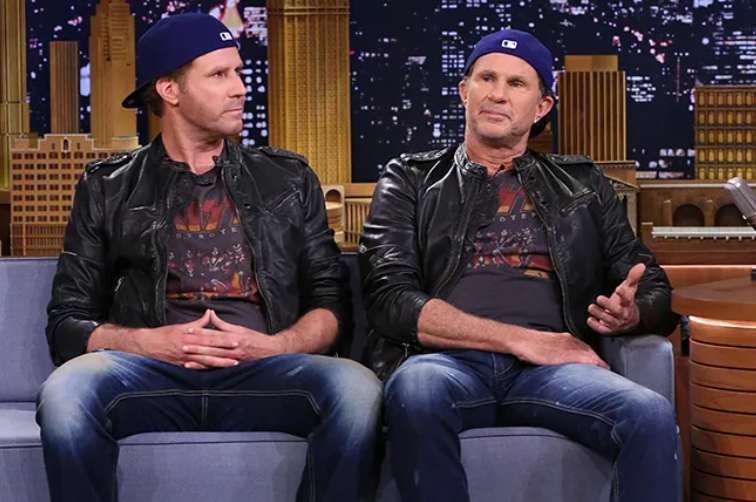
The Continuing Adventures of Will and Chad

Technically Chad Smith engaged in identity fraud on Saturday Night Live when he started giving Will Ferrell’s monologue.

But no harm was done.

And while the face modality fooled many of us, the voice modality gave Chad away. Score one for multimodal authentication.

IE Tech Firms, Stop Letting Outside Agencies Misread Your Tech

Deploy Inland Empire product marketing that converts.

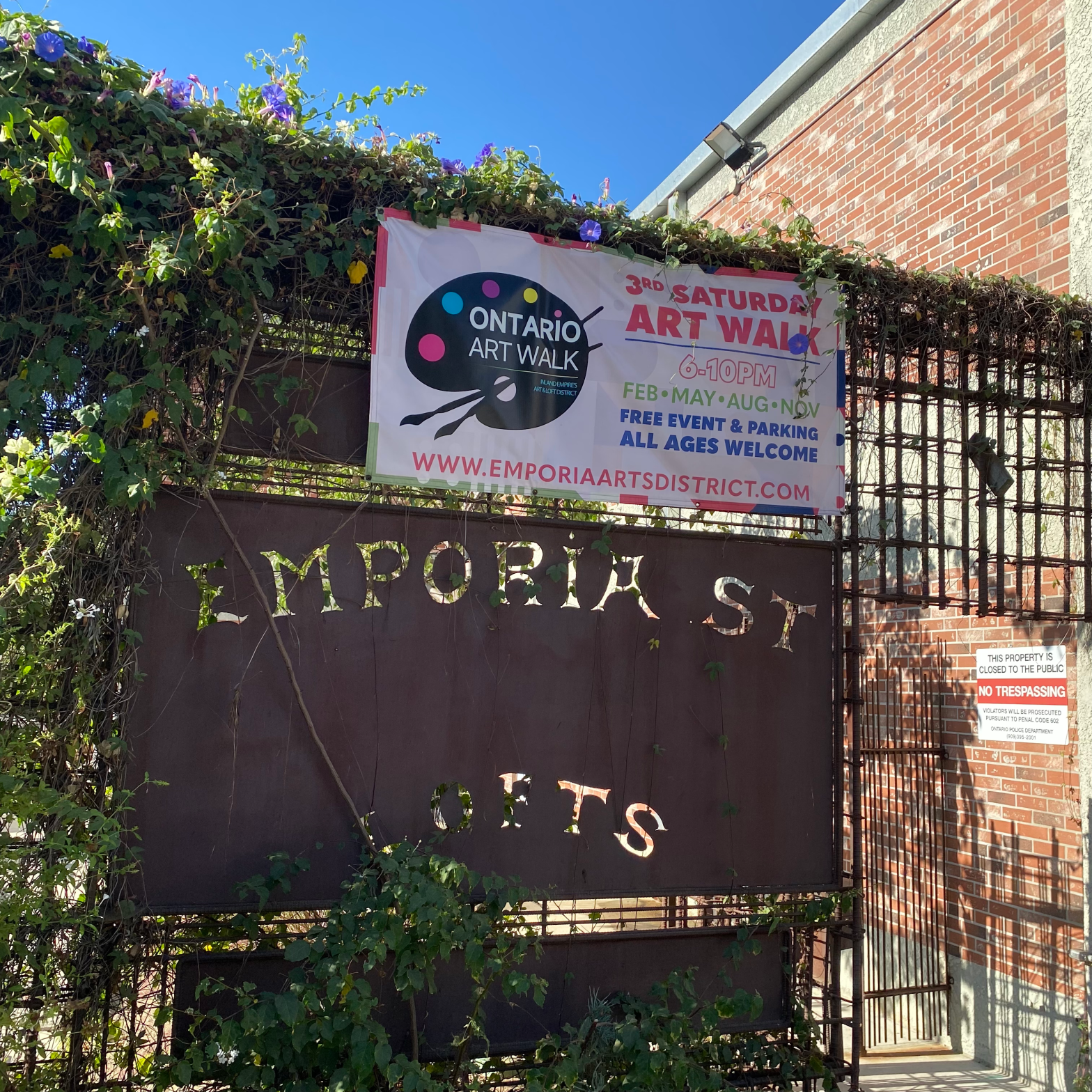
Expert product marketing offered by Bredemarket in Ontario.

Schedule your free content needs assessment: https://bredemarket.com/mark/

In Biometric Product Marketing, It’s All About the Benefits

How does your biometric product captivate your prospect?

It’s All About the Benefits.

Let Bredemarket, the biometric product marketing expert, help your firm speak to your prospects. Schedule a free meeting.

https://bredemarket.com/mark/