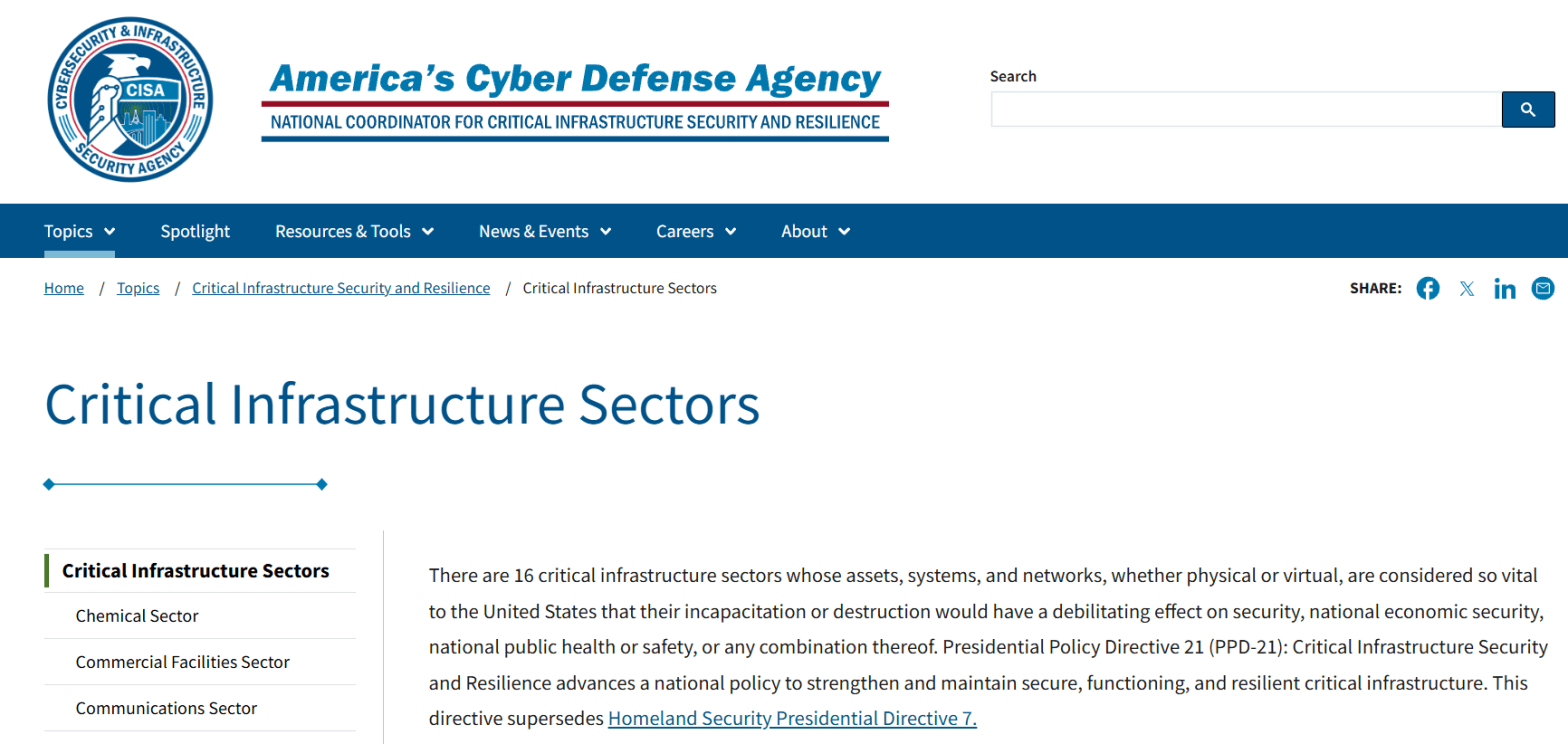
I was working with these sectors back when I was at MorphoTrak.
“There are 16 critical infrastructure sectors whose assets, systems, and networks, whether physical or virtual, are considered so vital to the United States that their incapacitation or destruction would have a debilitating effect on security, national economic security, national public health or safety, or any combination thereof. Presidential Policy Directive 21 (PPD-21): Critical Infrastructure Security and Resilience advances a national policy to strengthen and maintain secure, functioning, and resilient critical infrastructure. This directive supersedes Homeland Security Presidential Directive 7.”
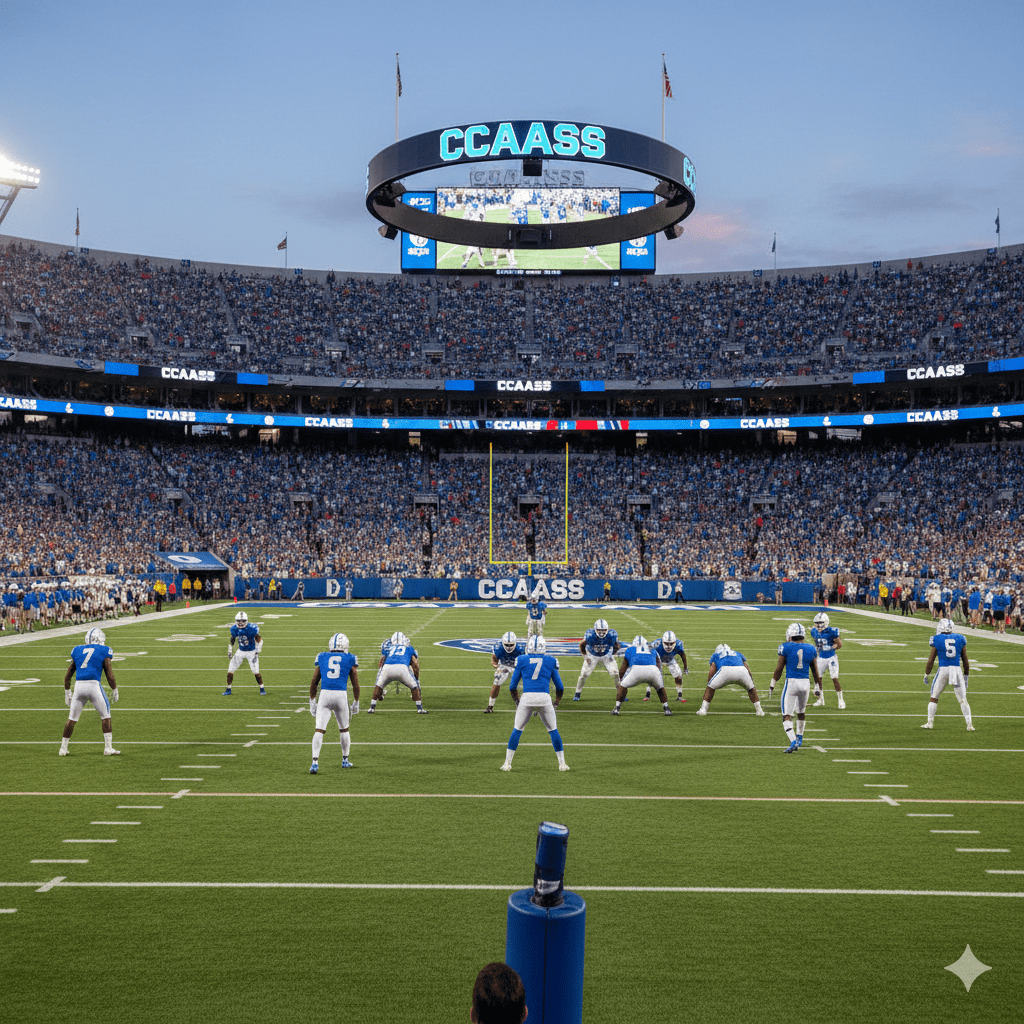
“Commercials, Concerts, And a Sports Show”(tm) is a trademark of Bredemarket. CCAASS may be freely used by any entity to refer to the sporting event taking place in Santa Clara, California on Sunday, February 8, 2026. This saves you from having to refer to The Big Game or The Bowl That Will Not Be Named. See FindLaw for the legalities: https://www.findlaw.com/legalblogs/small-business/legal-to-use-super-bowl-in-ads-for-your-biz/
As a Commanders fan, I have no wildebeest in the hunt.
Bredemarket has no current clients in the states of Massachusetts or Washington.
There are former IDEMIA employees in both states.
Ex Incode employee (and ex employee of a former Bredemarket client) Gene Volfe lives in an NFC West city, but the team in that city is a bitter rival of the Seahawks.
With no clear preference, I lean toward the NFC rather than the AFC in the CCAASS.
The Bureau of Alcohol, Tobacco, Firearms and Explosives (ATF, a legacy acronym) is part of the Department of Justice (moved from Treasury when Homeland Security was created). One of its duties is to administer the regulations from the National Firearms Act (NFA) of 1934.
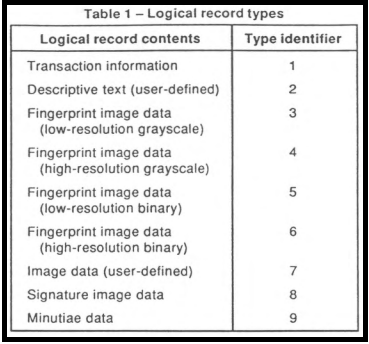
In the course of its duties, ATF fingerprints certain gun owners.
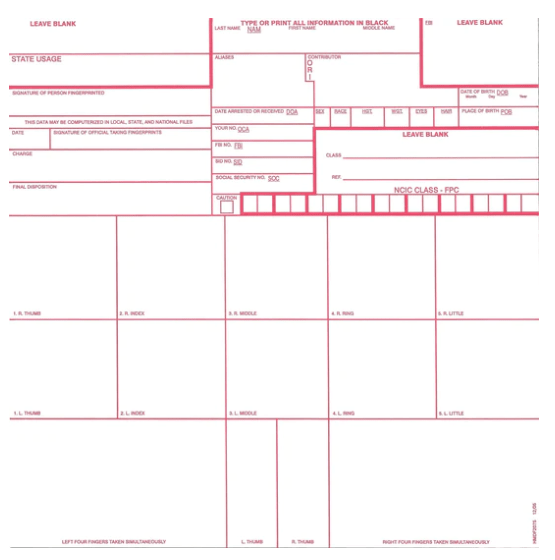
As Bayometric notes in a detailed article, there are two ways to generate the fingerprint cards required by ATF: traditional ink fingerprinting to create an FD-258 card, and live scan fingerprinting to create one or more FD-258 cards. Although the latter is more expensive (even a non-ruggedized live scan station is much more expensive than an ink pad), live scans measure quality immediately and are less suspectible to operator error.
But why even worry about FD-258 cards? ATF supports an eForms service which allows you to submit prints electronically like everyone else does.
Then again, if you’re suspicious of Big Brother, you may opt for non-electronic inked fingerprints.
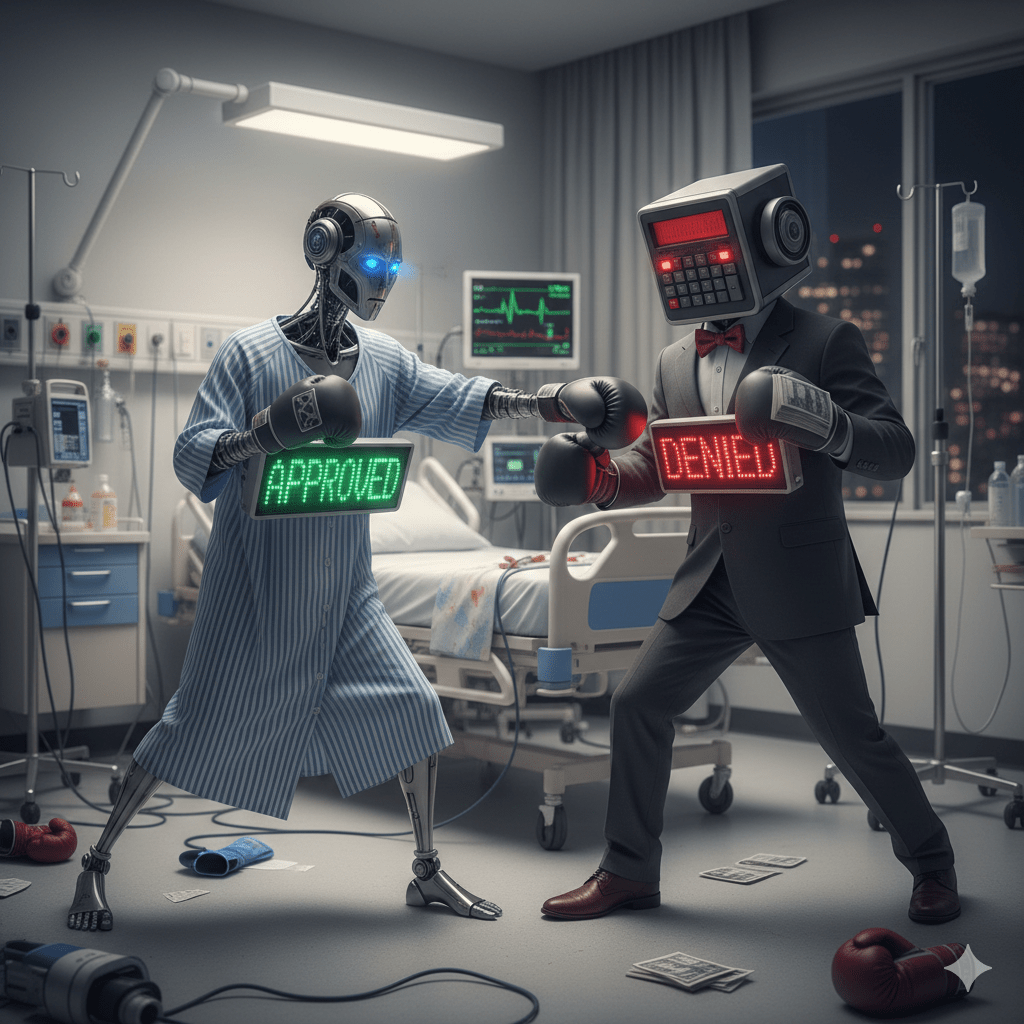
Another topic raised by Nadaa Taiyab during today’s SoCal Tech Forum meeting was ambient clinical intelligence. See her comments on how AI benefits diametrically opposing healthcare entities here.
There are three ways that a health professional can create records during, and/or after, a patient visit.
Typing. The professional has their hands on the keyboard during the meeting, which doesn’t make a good impression on the patient.
Structured dictation. The professional can actually look at the patient, but the dictation is unnatural. As Bredebot characterizes it: “where you have to speak specific commands like ‘Period’ or ‘New Paragraph.’”
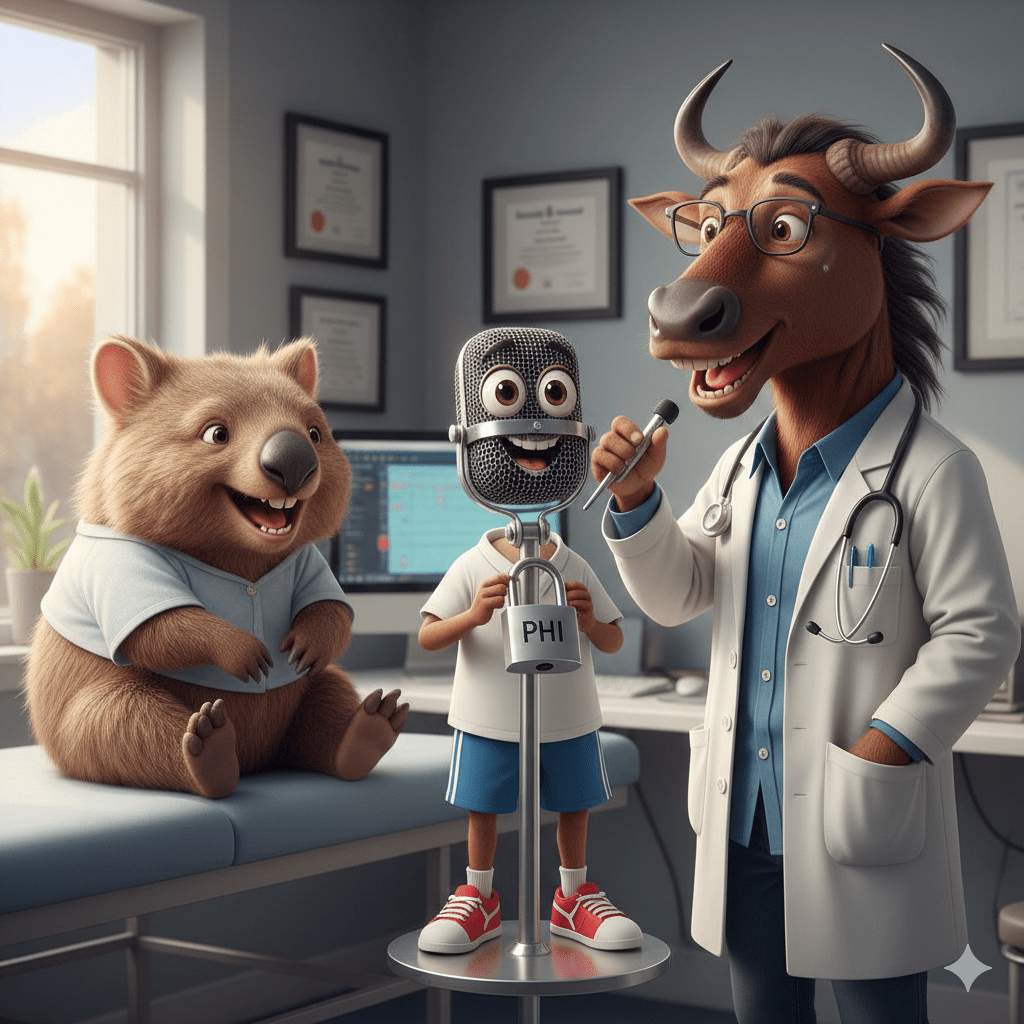
“Ambient clinical intelligence, or ACI, is advanced, AI-powered voice recognizing technology that quietly listens in on clinical encounters and aids the medical documentation process by automating medical transcription and note taking. This all-encompassing technology has the ability to totally transform the lives of clinicians, and thus healthcare on every level.”
Like any generative AI model, ambient clinical intelligence has to provide my four standard benefits: accuracy, ease of use, security, and speed.
Accuracy is critically important in any health application, since inaccurate coding could literally affect life or death.
Ease of use is of course the whole point of ambient clinical intelligence, since it replaces harder-to-use methods.
Security and privacy are necessary when dealing with personal health information (PHI).
Speed is essential also. As Taiyab noted elsewhere in her talk, the work is increasing and the workforce not increasing as rapidly.
But if the medical professional and patient benefit from the accuracy, ease of use, security, and speed of ambient clinical intelligence, we all win.



 Bredemarket