Water, Programmable Logic Controllers, Iran, and Critical Infrastructure

Here in the southwestern United States, water or the lack thereof may be so contentious that we blithely say that we have to fight for it.

Meanwhile, things happen.

“Water and wastewater utilities in at least seven states have now reported cybersecurity incidents involving Internet-facing programmable logic controllers (PLCs), according to the FBI and the Environmental Protection Agency (EPA)….Specific states were not named.”

But at least four incidents HAVE been explicitly named.

“Meanwhile, Minnesota officials announced this week that at least 30 community water systems across the state were hit with malicious cyber activity, and an investigation is ongoing there….

“Four Minnesota city water organizations publicly announced cyber incidents, but others are unidentified. Braham’s water plant went temporarily offline; Plymouth announced impacts to automated controls and cellular-connected equipment at water towers and lift stations; South St. Paul announced a cybersecurity incident on automated controls; and Maple Plain declared a temporary emergency.”

Now perhaps this is just a bunch of instances of kids messing around.

Beavis and Butt-Head at Hoover Dam.

Or perhaps it’s something else.

“The authoring agencies urgently warn U.S. organizations of ongoing Iranian-affiliated cyber targeting of internet-connected operational technology (OT) devices, including programmable logic controllers (PLCs).”

Yes, Iran. You may recall that we are at war with them.

This brings these incidents into the realm of critical infrastructure. Among our 16 critical infrastructure sectors is the water and wastewater sector.

“In the United States, there are approximately 152,000 public drinking water systems, including 50,000 community water systems, and more than 16,000 wastewater treatment systems. Over 80 percent of the U.S. population receives their potable water from these drinking water systems, and about 75 percent have their sanitary sewerage treated by these wastewater systems. 

“The Water and Wastewater Systems Sector is vulnerable to various threats, including physical attacks, cyberattacks, and contamination with harmful agents. Such incidents could result in widespread illness, casualties, and service disruptions, significantly impacting public health and economic stability.”

Messing up someone’s computer is bad enough. But messing up their glass of drinking water is devastating. And whether the damage is done by a state-sponsored terrorist or by Beavis, you want to prevent it from happening.

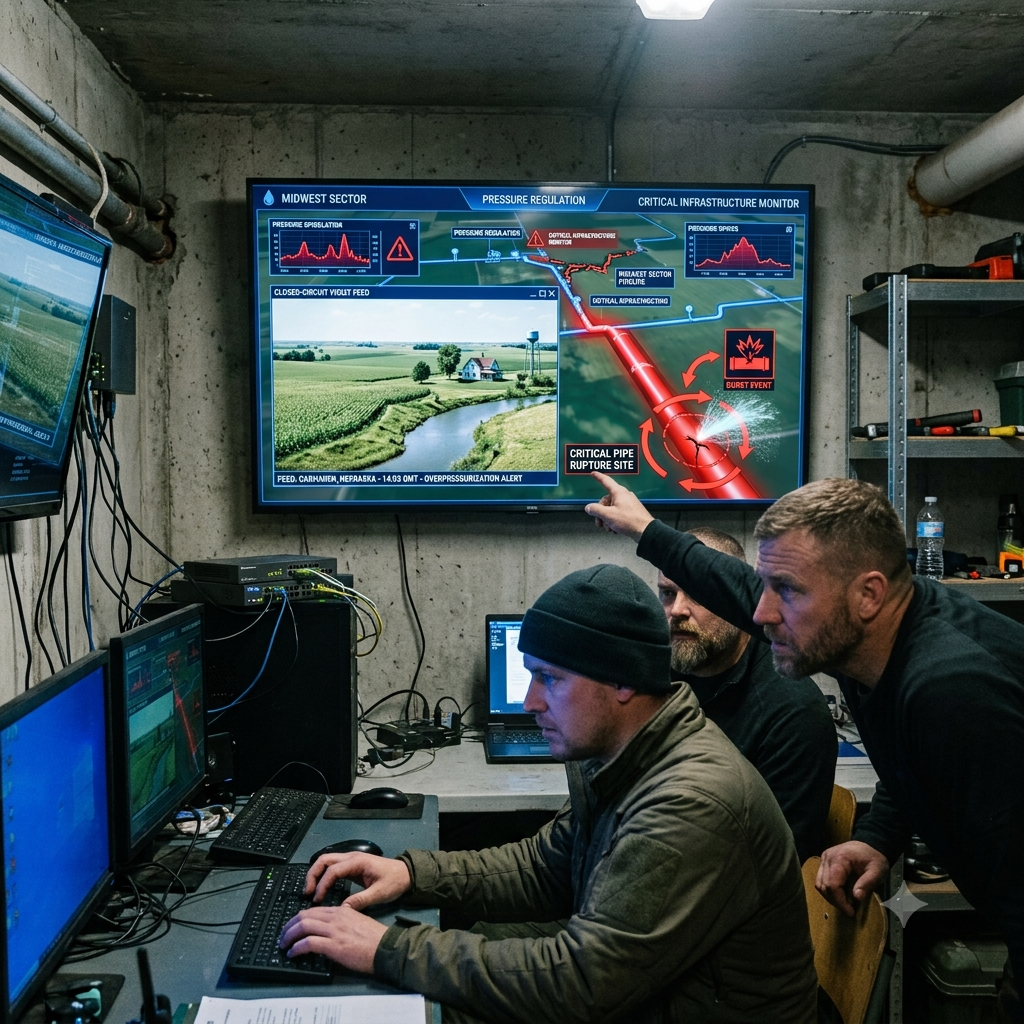
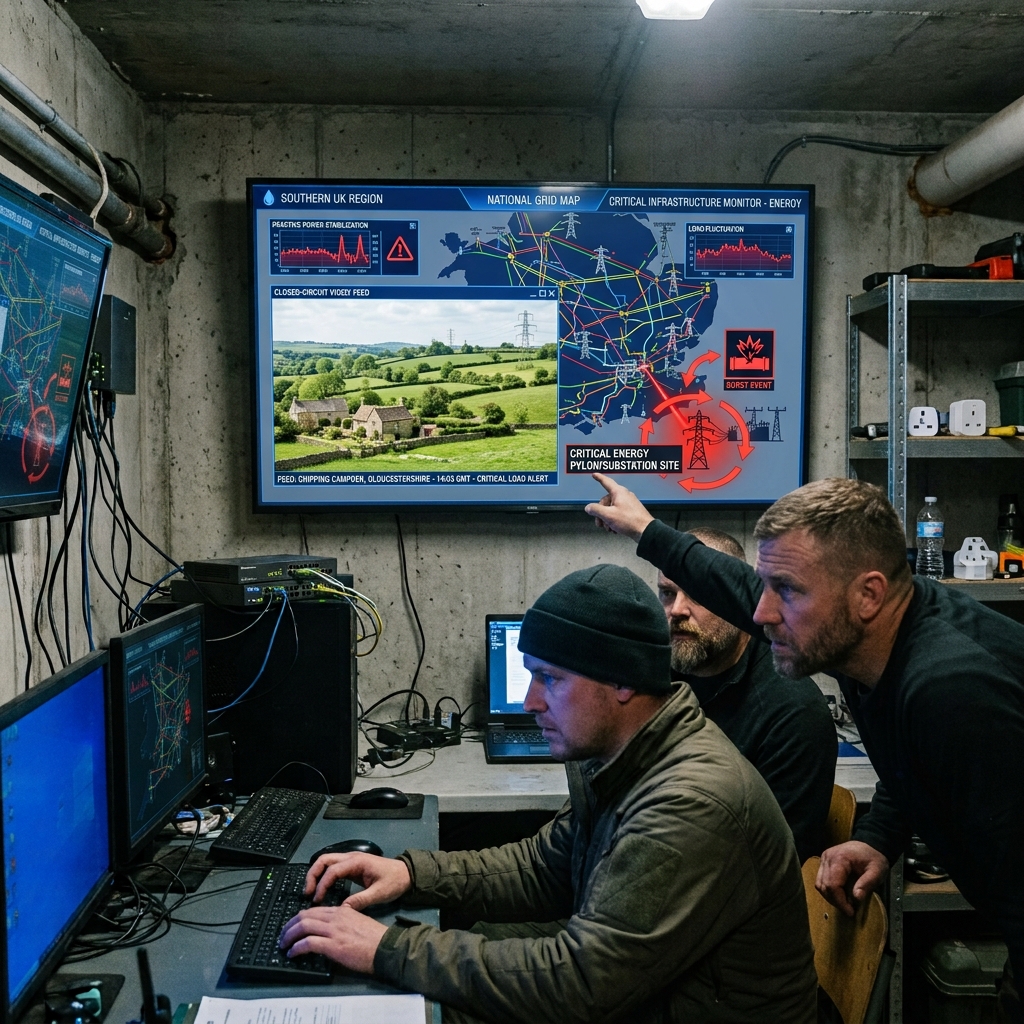
Google Gemini.

The United States’ 16 Critical Infrastructure Sectors

I was working with these sectors back when I was at MorphoTrak.

“There are 16 critical infrastructure sectors whose assets, systems, and networks, whether physical or virtual, are considered so vital to the United States that their incapacitation or destruction would have a debilitating effect on security, national economic security, national public health or safety, or any combination thereof. Presidential Policy Directive 21 (PPD-21): Critical Infrastructure Security and Resilience advances a national policy to strengthen and maintain secure, functioning, and resilient critical infrastructure. This directive supersedes Homeland Security Presidential Directive 7.”

The sectors are:

See:

https://www.cisa.gov/topics/critical-infrastructure-security-and-resilience/critical-infrastructure-sectors

https://www.cisa.gov/resources-tools/resources/presidential-policy-directive-ppd-21-critical-infrastructure-security-and

Water is (literally) critical and needs to smarten up

Presidential Policy Directive 21 (2013), the successor to Homeland Security Presidential Directive 7 (2003), defines 16 critical infrastructure sectors that need to be protected by the U.S. Department of Homeland Security and other entities.

There are 16 critical infrastructure sectors whose assets, systems, and networks, whether physical or virtual, are considered so vital to the United States that their incapacitation or destruction would have a debilitating effect on security, national economic security, national public health or safety, or any combination thereof.

Some of the critical infrastructure sectors are obvious at first glance, including sectors such as transportation systems, nuclear reactors/materials/waste, and government facilities. But these aren’t the only ones. Take the Water and Wastewater Systems sector, overseen by the Environmental Protection Agency (EPA).

Safe drinking water is a prerequisite for protecting public health and all human activity. Properly treated wastewater is vital for preventing disease and protecting the environment. Thus, ensuring the supply of drinking water and wastewater treatment and service is essential to modern life and the Nation’s economy.

Look at the pain that we’ve suffered because of water issues in Flint, Michigan and other cities. Now imagine what would happen if the water in a larger region, such as the Colorado River valley, were to become undrinkable.

Oh yeah, climate change.

Data show extreme weather events are increasing. This is challenging utility providers who are managing critical infrastructure around the globe. The year 2020 was truly devastating for wildfires. From California to Australia, the world got a firsthand glimpse into how warmer, drier conditions are causing harsher droughts — resulting in longer fire seasons and greater water scarcity.

Most of us don’t make a habit of reading Water Online, but this site published a recent article on the part that technology plays in preserving the water/wastewater critical infrastructure system. These technologies are converting our water infrastructure into “smart” infrastructure, a key part of any smart city.

One of the technologies that is making our water infrastructure “smart” is referred to as “digital twins.”

No, not “Twins is the New Trend” twins.

Here’s what “digital twins” means from the critical infrastructure perspective.

Digital twin technology is providing promise in this regard. Digital twins are software representations of assets and processes that help understand, predict, and optimize performance to achieve improved business outcomes. Digital twins consist of three components — a data model, a set of analytics or algorithms, and knowledge — and are extremely valuable when it comes to predicting the impact of a storm for sewage and stormwater management.

Digital twins, like weather, are revised as more data is gathered and more information becomes available. Like any science, we don’t know everything on day 1, but if we continue to gather information and test hypotheses we will know more on day 2, and then even more on day 145.

The benefit of digital twins? Lower repair costs by better targeting of responses.

For more about smart water, see this article in Water World.