My day gig can be an EARLY day gig.
Take advantage of Bredemarket’s product marketing expertise.
Just give me a few minutes.


Identity/biometrics/technology marketing and writing services

My day gig can be an EARLY day gig.
Take advantage of Bredemarket’s product marketing expertise.
Just give me a few minutes.

A world premiere video.
Don’t forget the book.
Let me start this post by stating that I am human. Well, so far. I might be changing into a wildebeest.

But assuming that I remain human, I have multiple digital wallets—two of which support decentralized storage of my California driver’s license.
But the California Department of Motor Vehicles (DMV) doesn’t just issue driver’s licenses. It also issues car registrations.
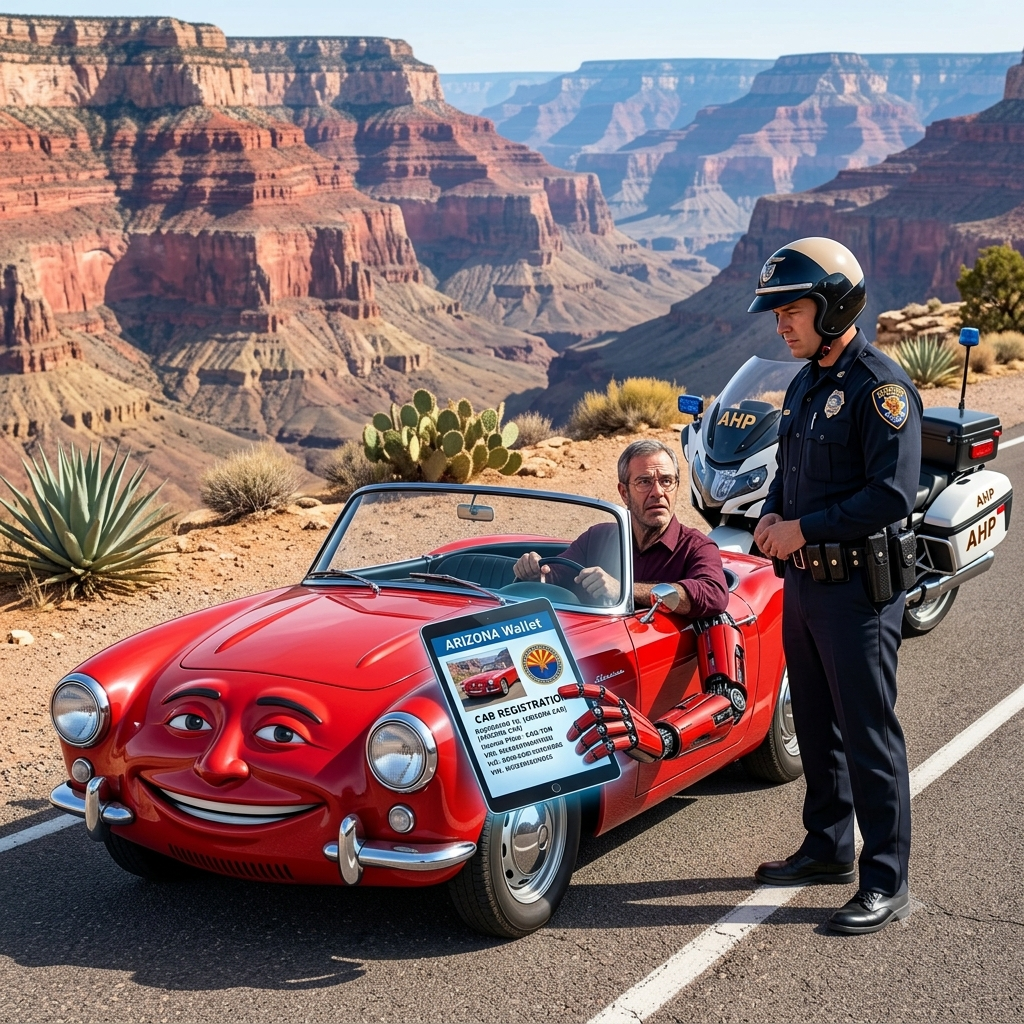
As does the Arizona Department of Transportation, which brings me to this Identity Week story.
“Arizona is among the first states in the country to transition beyond the digital driver licence (mDL) into full-fledged mobile vehicle documentation, officially updating its proprietary Arizona Wallet app. They have allowed residents to upload and store their official vehicle registration, title information, and insurance details directly onto their smartphones.”
But there’s a philosophical problem here.
Shouldn’t a vehicle have its own wallet, and then grant access to elements in the wallet to one or more person wallets?
And how would the vehicle manage its own attributed-based access controls?
And what if the car gets mad at its human owner(s) for boring driving habits and not taking it to the car wash every week, and therefore decides to change its registered owner to someone else who is more exciting and car-loving?
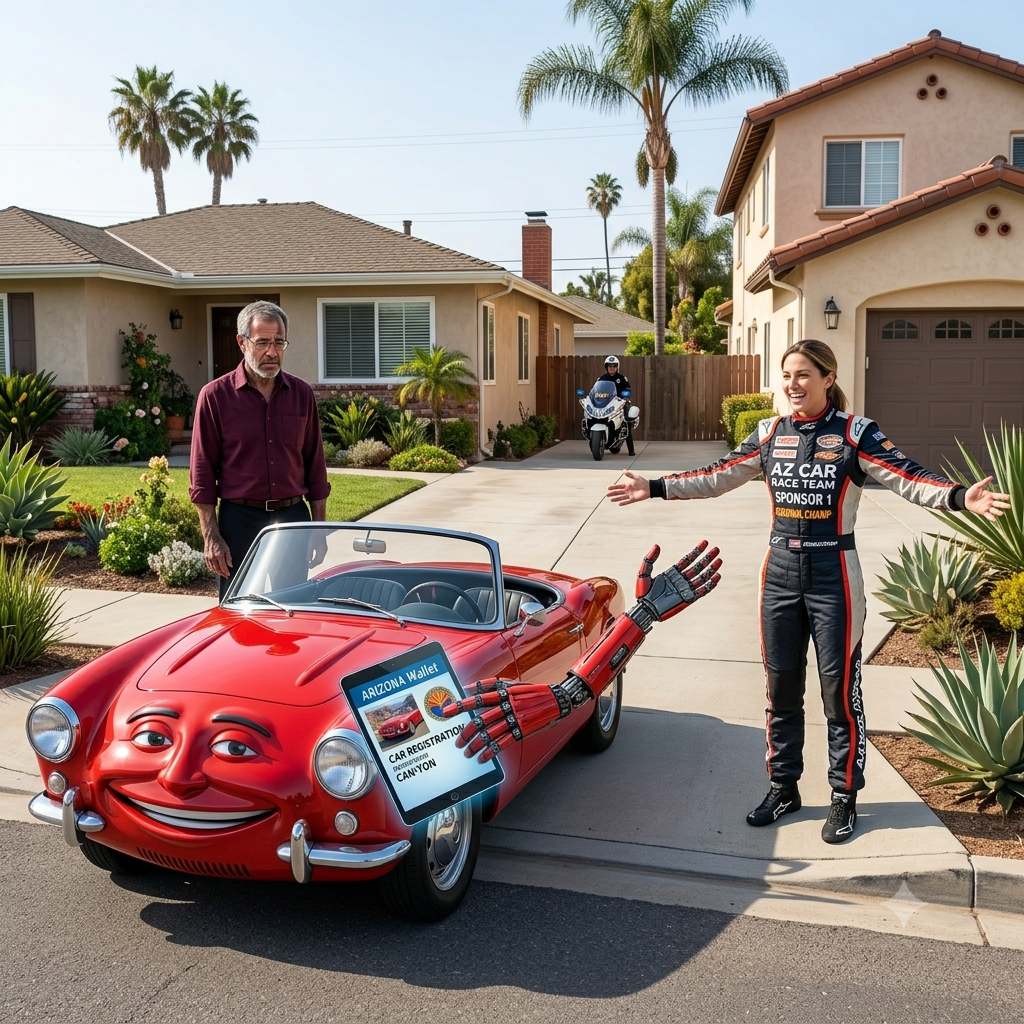
I’ll admit that this is a flight of fancy, but it raises governance issues about maintaining non-human identities.

Two weeks ago, I thought it was a mistake to prioritize daily fires over long-term strategic planning. But blog posts are ephemeral (like AI agents) and a conversation with Google Gemini made me realize I had it backward.
On May 12 I wrote a post entitled “Is Your Identity/Biometric Firm Too Busy Putting Out Fires to Install a Sprinkler System?” Its thesis:
“Your identity/biometric firm needs experienced product marketing contract help because you are drowning in work. But because you’re drowning in work you can’t take the time to set up that contract.”
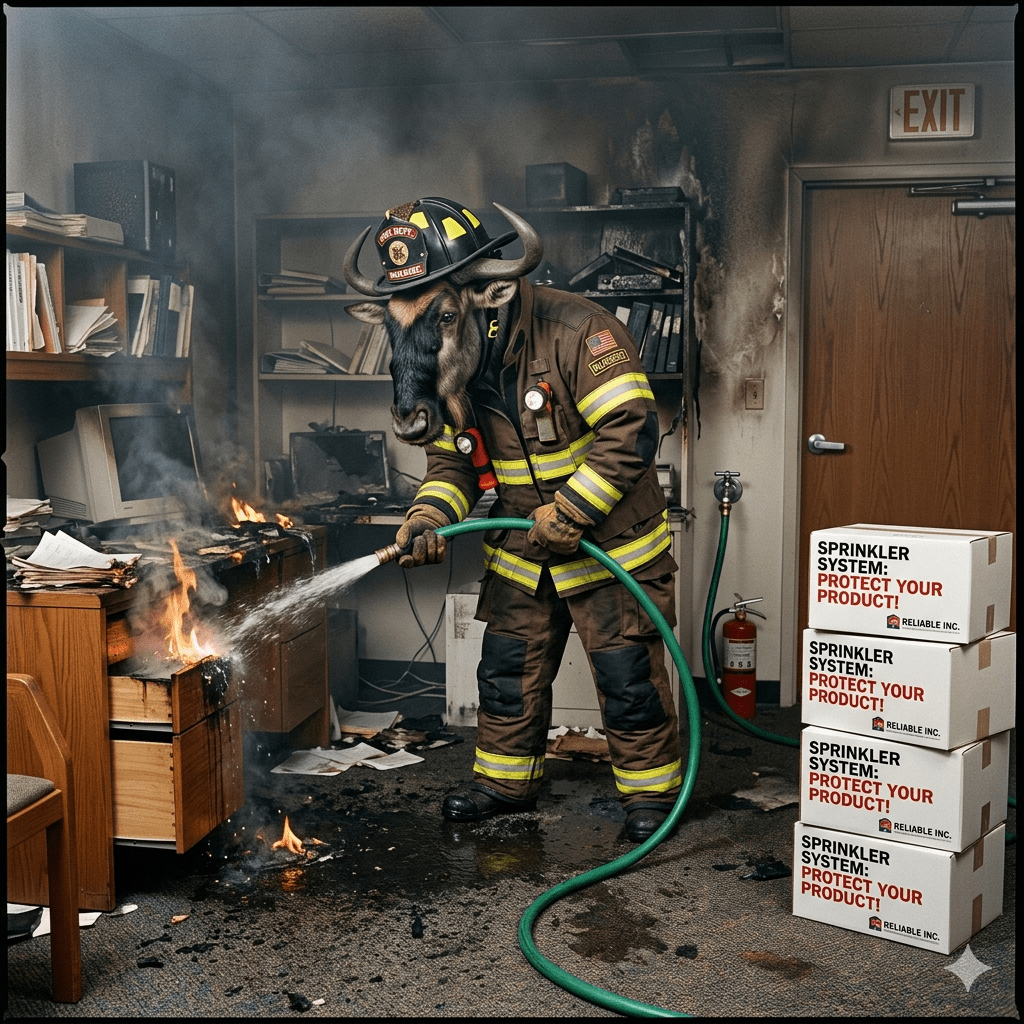
I won’t get into the resolution of the post, but note the inherent value judgment contained within the content.
So if the prospect takes the time to sign that contract with Bredemarket, I will ensure that the process is as frictionless as possible. I already know the identity/biometric terminology, and Bredemarket’s “seven questions” process removes the need for you to develop a briefing book for me.
Nice and stable, like installing a sprinkler system.
Something that a sage would write.
But then I began asking questions—in this case, with Google Gemini. Not with the distinctive Bredebot persona, but with Gemini’s natural voice. And as I engaged in a messaging and positioning dialogue, Gemini hit me between the eyes with this observation.
“[Bredehoft] notes that many biometric firms are “too busy putting out fires to install a sprinkler system.”
“The “Fire” is an immediate, looming RFP deadline….A consultant like Bredehoft is brought in as an emergency firefighter to secure that short-term win.
“The “Sprinkler System” is long-term product marketing (building consistent messaging, positioning products, and writing educational white papers)….
“[C]onsulting clients are notoriously reactive. They are far more likely to open their wallets for immediate help with an active proposal than for long-term strategic brand-building.”
Then it hit me.
The firefighter is the GOOD guy.
Prospects call in a consultant because they want something yesterday and, as my home page phrases it, “don’t have the time to craft their own content.”
And not just proposal content with money on the line as Gemini explained. Maybe the prospects need a blog post right now; no immediate contract, but invaluable positioning. Or maybe they even need an emergency analysis. (Hey, it could happen.)
When you’re in the middle of a fire, you don’t have time to train a rookie. I already know the identity world, so we can get straight to bailing out your firm.
I will fight your fire, and then maybe later on we can discuss more strategic topics.
But first we need that pesky contract, or the equivalent. (“John, we’ll pay you $500 net 15 for that blog post.”)
But first let’s put out the fire. Contact Bredemarket today to get it done.
And here is a postscript for the kids who don’t know why I was talking about gasoline earlier.
Or why right now.

My latest Google Lyria song experiment surprised me.
I was playing back the song I had created when I noticed that the new song was longer than the standard 30 seconds. In fact, it was a full length three minute song, something only previously possible with paid versions of Lyria.
So I adjusted my prompt to take advantage of the length.
It’s probably no surprise that my latest Lyria song doesn’t touch on a couple who is never ever ever getting back together. Instead, I focused on the ICAO Doc 9303 “neutral expression” requirements I discussed in passing in this October 2025 post.
“But in one of those oddities that fill the biometric world, you can have TOO MUCH expression. Part 3 of International Civil Aviation Organization (ICAO) Document 9303, which governs machine readable travel documents, mandates that faces on travel documents must maintain a neutral expression without smiling. At the time (2003) it was believed that the facial recognition algorithms would work best if the subject were expressionless. I don’t know if that holds true today.”
That should make for a catchy song, shouldn’t it? Judge for yourself in the song “Neutral Expression.”
Wonder if the woman liked it.

She did!

In business there’s something called a “Type 2 decision.” Because of my biometric background I shy away from the term (which means “false positive” in biometrics) and prefer to use the term “two-way door decision.”
If you’ve been through an airport security checkpoint, either entering or leaving a security area, you know that you can only go one way.

But other entrances and exits DO allow you to change your mind.
“The [two-way door decision] concept was introduced by Jeff Bezos in his Amazon shareholder letters, using the metaphor of walking through a door. With a two-way door decision, you can walk through the door, see what’s on the other side, and if you don’t like it, you can easily turn around and come back through. If you make a suboptimal two-way door decision, you don’t have to live with the consequences for long—you can reopen the door and go back through.”
Amazon Fresh is not a good example.
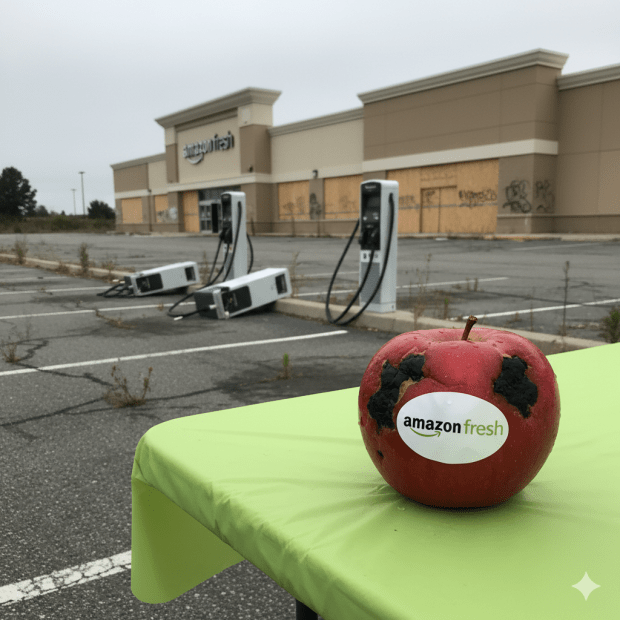
While in the end the original decision was reversible, the reversal was not without pain. The rise and fall of Amazon Fresh took years. (Technically less than a year in Upland, if you don’t count the years of planning, but still a long time.)
But what about trying a new product marketing idea? While some ideas, such as pricing a luxury car at one dollar, can cause permanent damage, others can easily be reversed.
I’ll use Bredemarket as an example. Back in 2020 I was heavily pushing my Bredemarket 404 Web/Social Media Checkup. While it remains on my website, I haven’t promoted it in years. I could certainly still do it (and did it for one client), but while it parallels my analysis strengths, I find other areas (such as market and competitive analysis in the biometric industry) much more satisfying and financially rewarding.
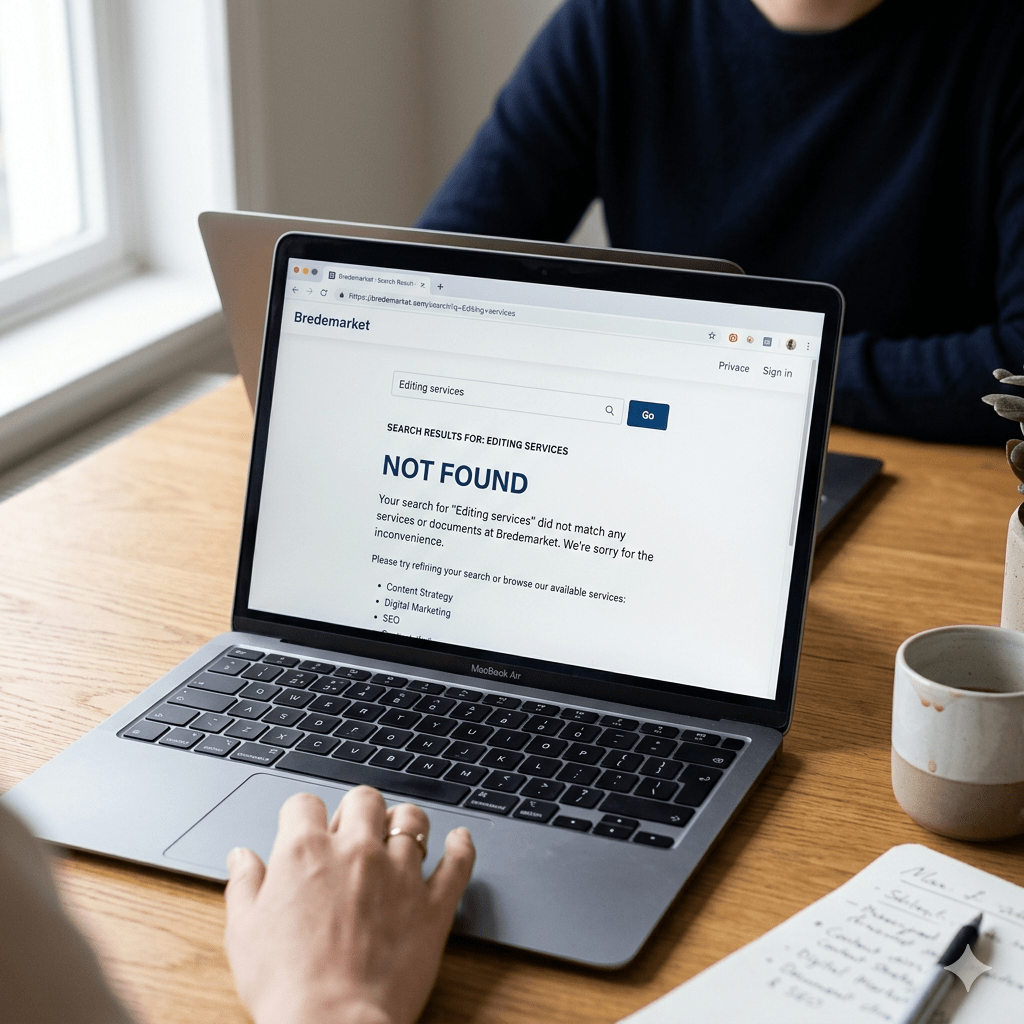
On the other hand, I DID pull my editing services from the Bredemarket website. That’s not rewarding at all.
But what if YOU want to try a new product marketing idea and see if it resonates with your prospects?
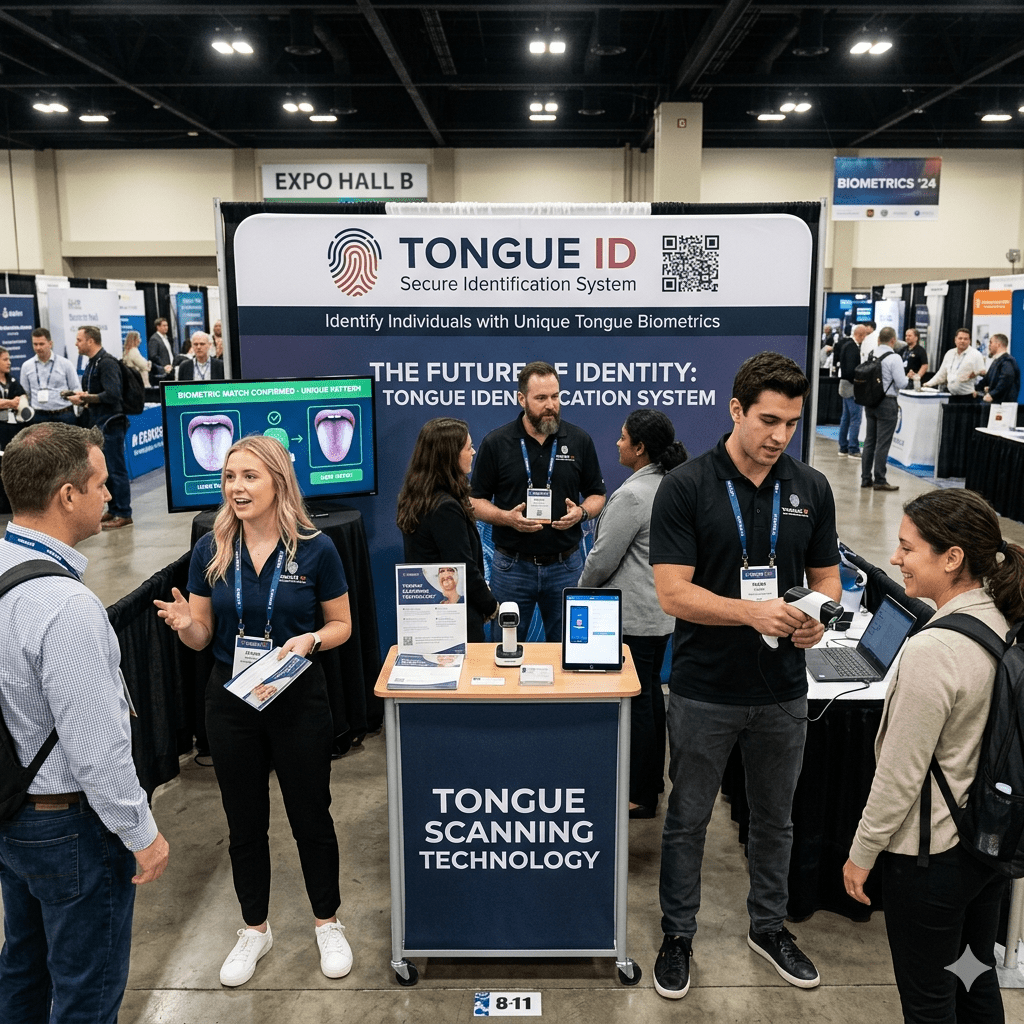
Now you could go through an entire tiered go-to-market launch,
Or alternatively, you could send up a trial balloon such as a blog post, a social media post, or a data sheet.
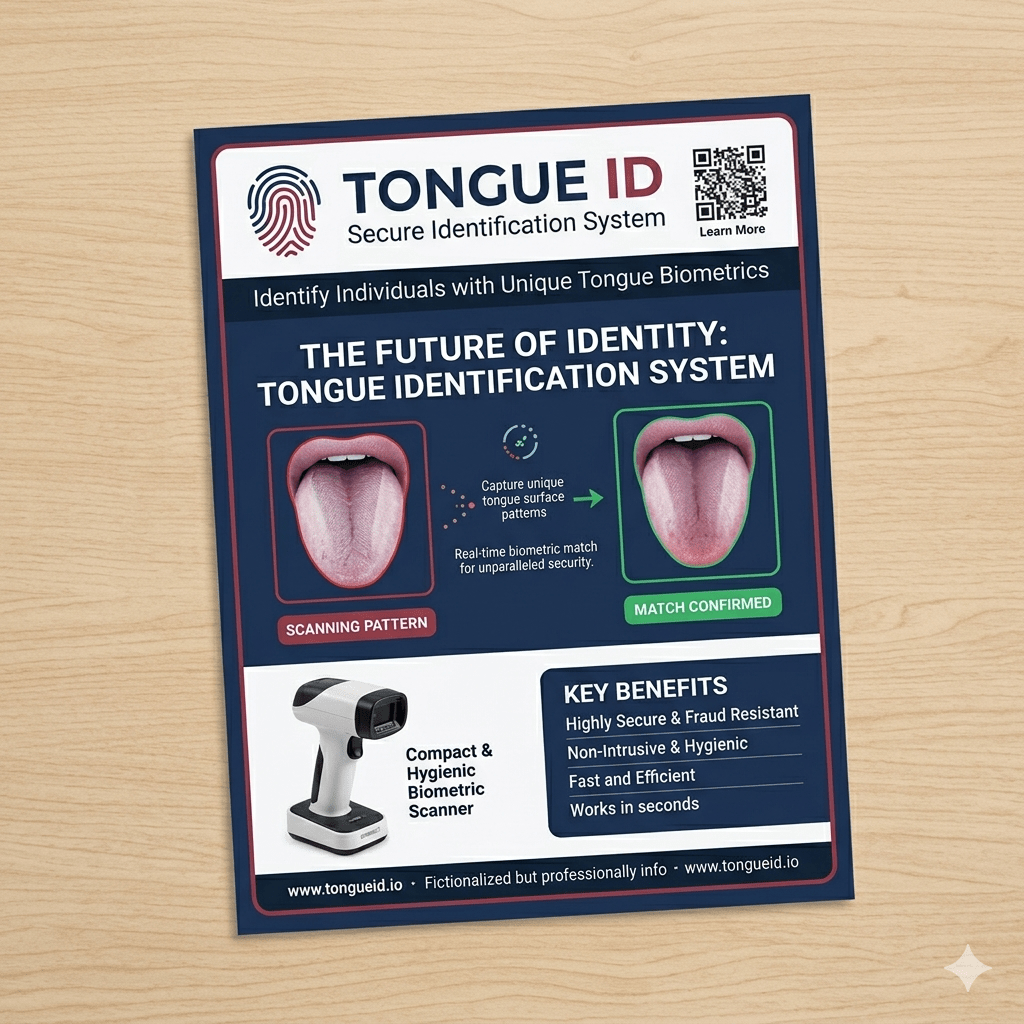
Then measure the results.
Because of my “I ask, then I act” bias, I gravitate toward these trial balloons. As long as the idea doesn’t kill your company, why not try it quickly, rather than paralyzing yourself by repeated inaction?

Are you ready to launch a trial balloon, but need some help with the helium? Set up a meeting with Bredemarket and we can discuss your options.
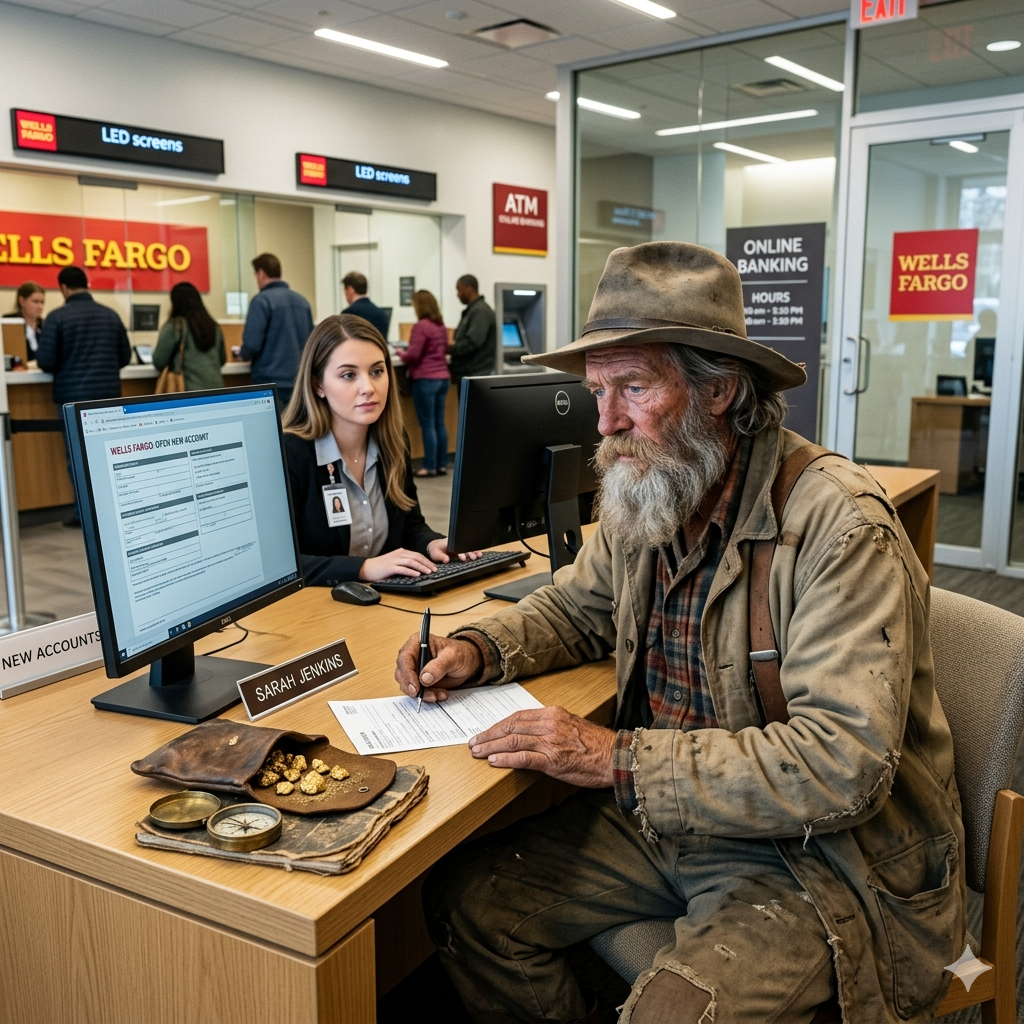
“What’s this? My phone number? My Social Security number? My driver’s license?”
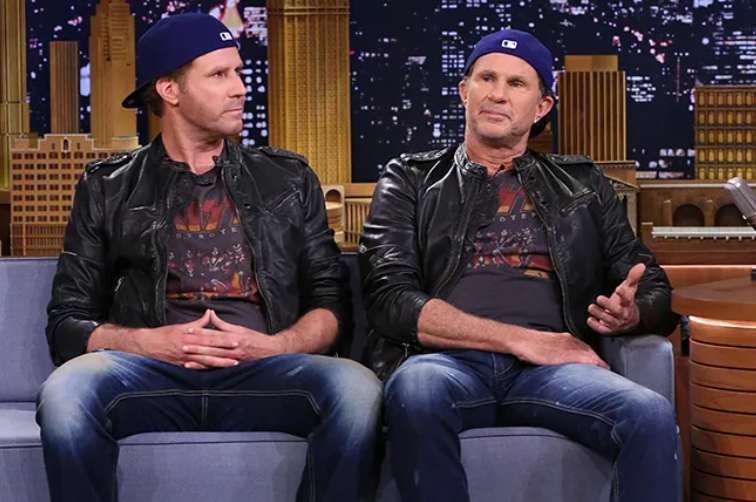
Technically Chad Smith engaged in identity fraud on Saturday Night Live when he started giving Will Ferrell’s monologue.
But no harm was done.
And while the face modality fooled many of us, the voice modality gave Chad away. Score one for multimodal authentication.

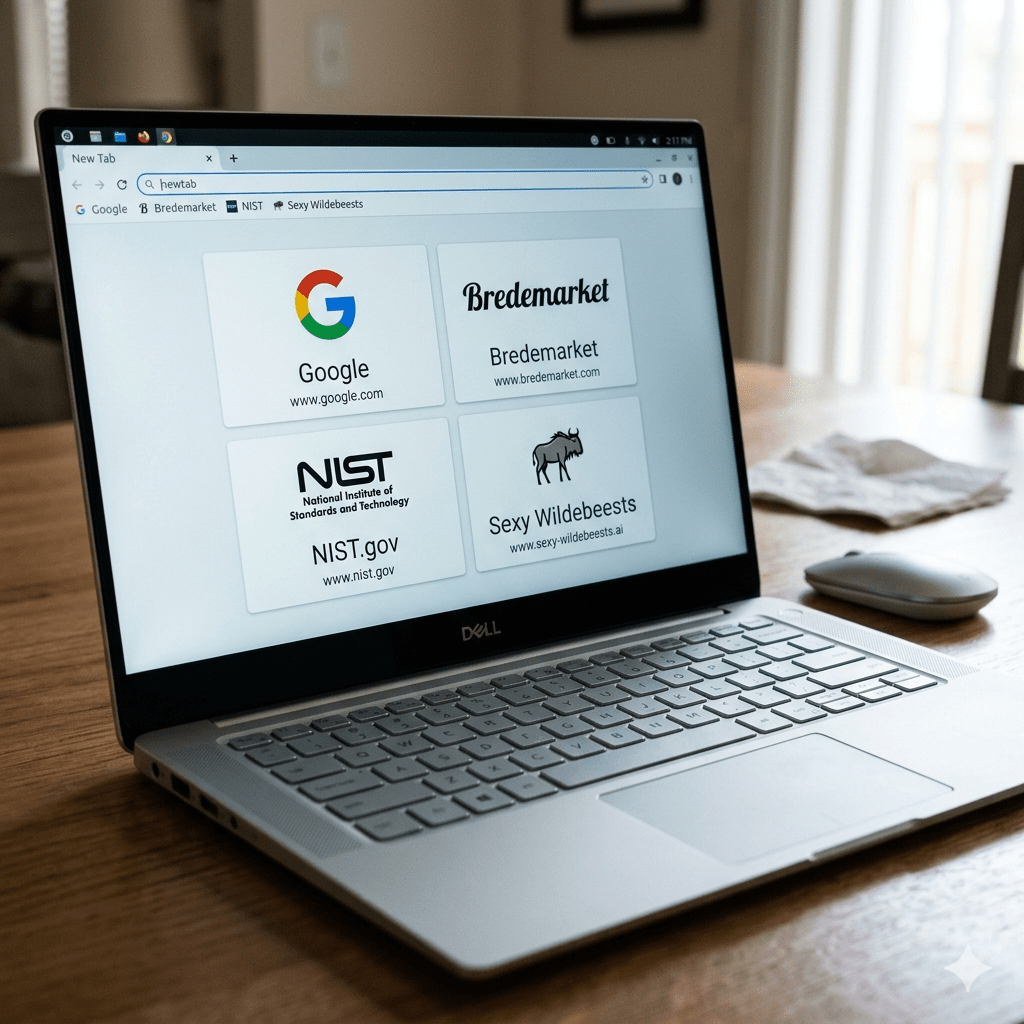
A study entitled “Browsing behavior exposes identities on the web” (also cited by Biometric Update) offers an informative view of how “something you do” can identify you when combined with other things you do.
“Though most users are unique in their four most-visited domains, we find that we often need fewer data points for user identification. To determine how many domains are needed to pinpoint a user, we examine fingerprints at the individual level. For each unique user i, we randomly select a domain from their fingerprint and group all unique users who have that domain in their fingerprints (see Methods). Then, we select another most-visited domain from user i and narrow our group to those with both domains (Fig. 1c). We repeat this step, incrementally adding domains, until we isolate user i. At this point, we have a set of domains which exists only within user i’s fingerprint. Our analysis shows that we need an average of 2.45 steps to identify a unique user within the data set (Fig. 1d). This finding indicates that although four domains guarantee uniqueness, users’ distinct online habits facilitate their identification with fewer domains.”
Think about the four domains that YOU visit the most. If you don’t know what they are, Chrome users can visit chrome://site-engagement/ and order the list. I can almost guarantee that one of my four most-visited websites is NOT one of yours.
And as for my wildebeest friend…

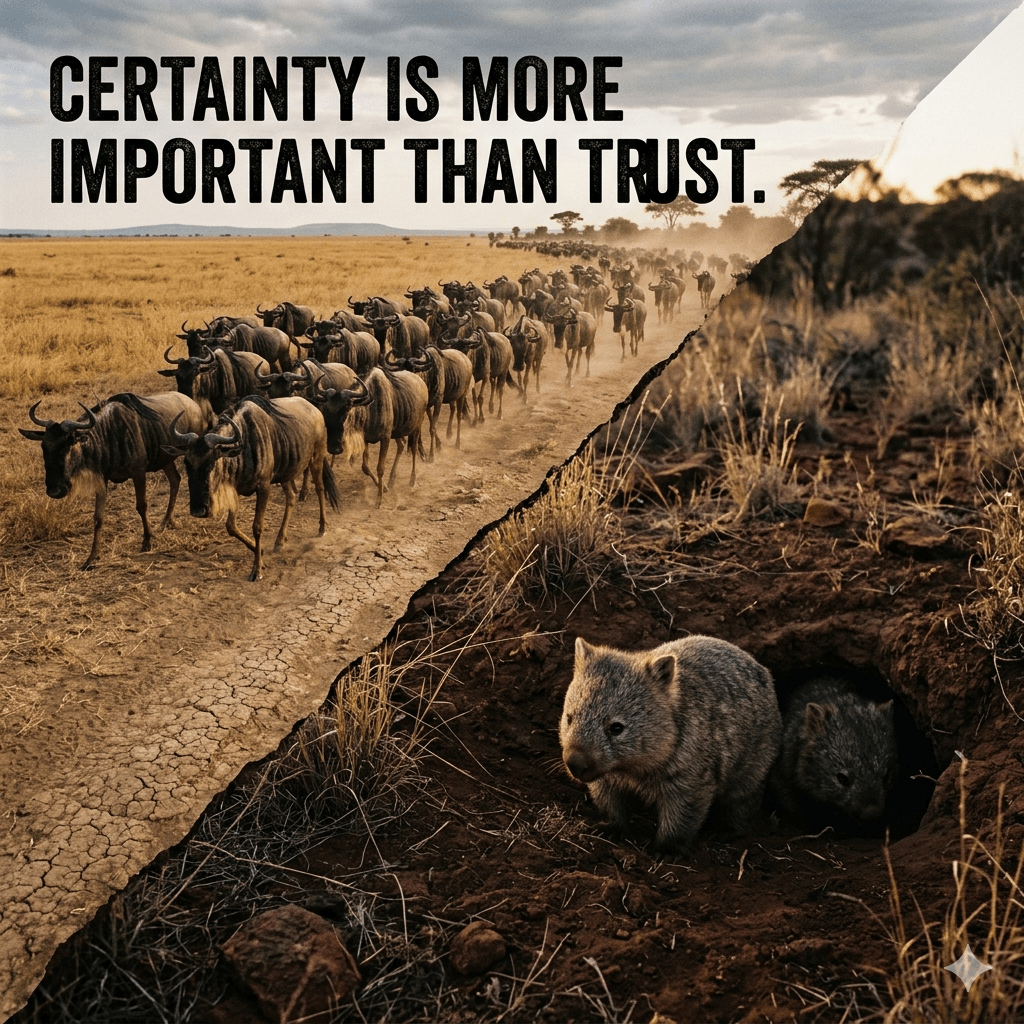
In case you didn’t know this, the word “trust” makes me yawn. Everybody uses it. Everybody sounds the same.
So let’s talk about certainty.
It’s not an exact synonym, but I think it’s better. It’s one thing to trust someone, but another to be certain of an outcome.
Does your identity/biometric product assure your company’s prospects that the product accurately identifies people…and doesn’t misidentify them?
(Certainty is essential because trusting a concert promoter is pointless if the promoter delivers Dread Zeppelin when you expected Led Zeppelin.)
Do your product marketing materials explain:
Your prospects have a lot of questions. So do I.
Bredemarket’s questions help my clients and I deliver expert content, proposals, and analysis that convey certainty to prospects and customers.
To learn more and schedule a free meeting, click here or below.

 Bredemarket