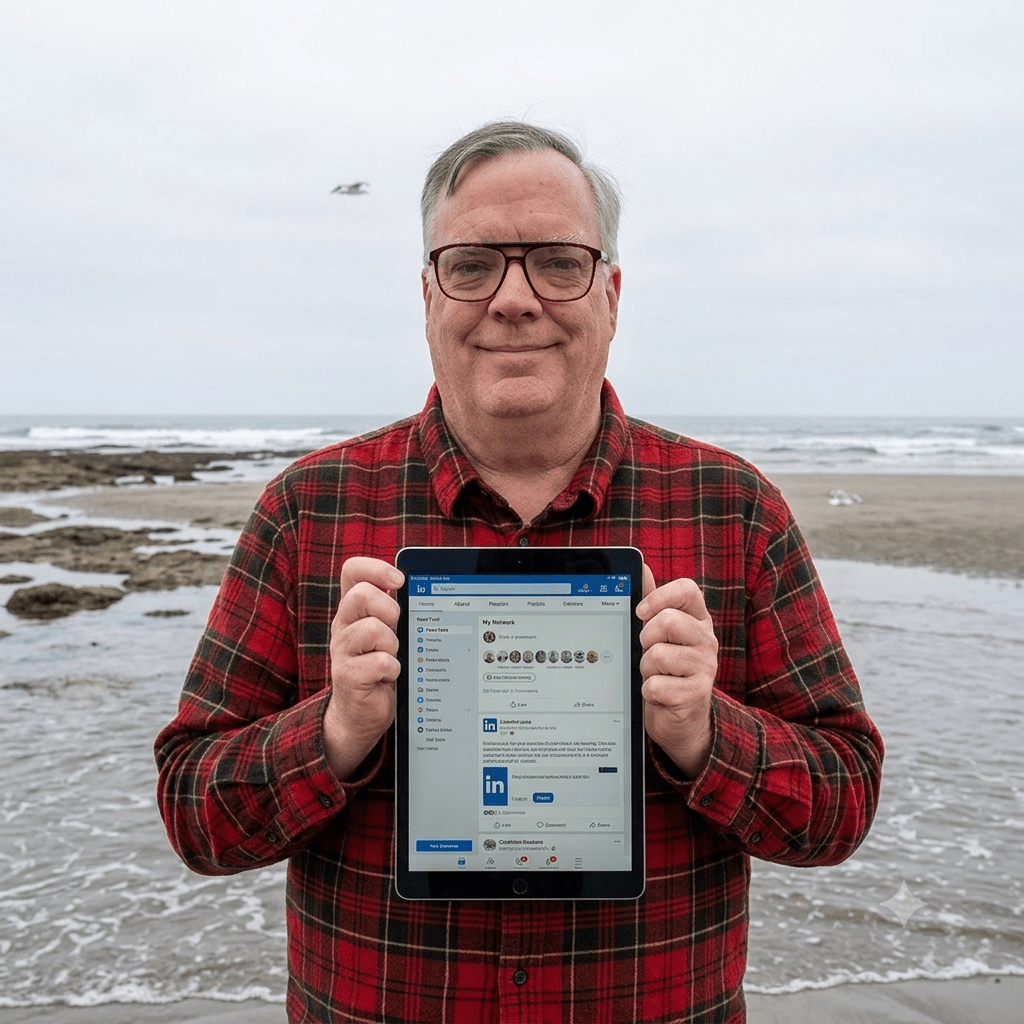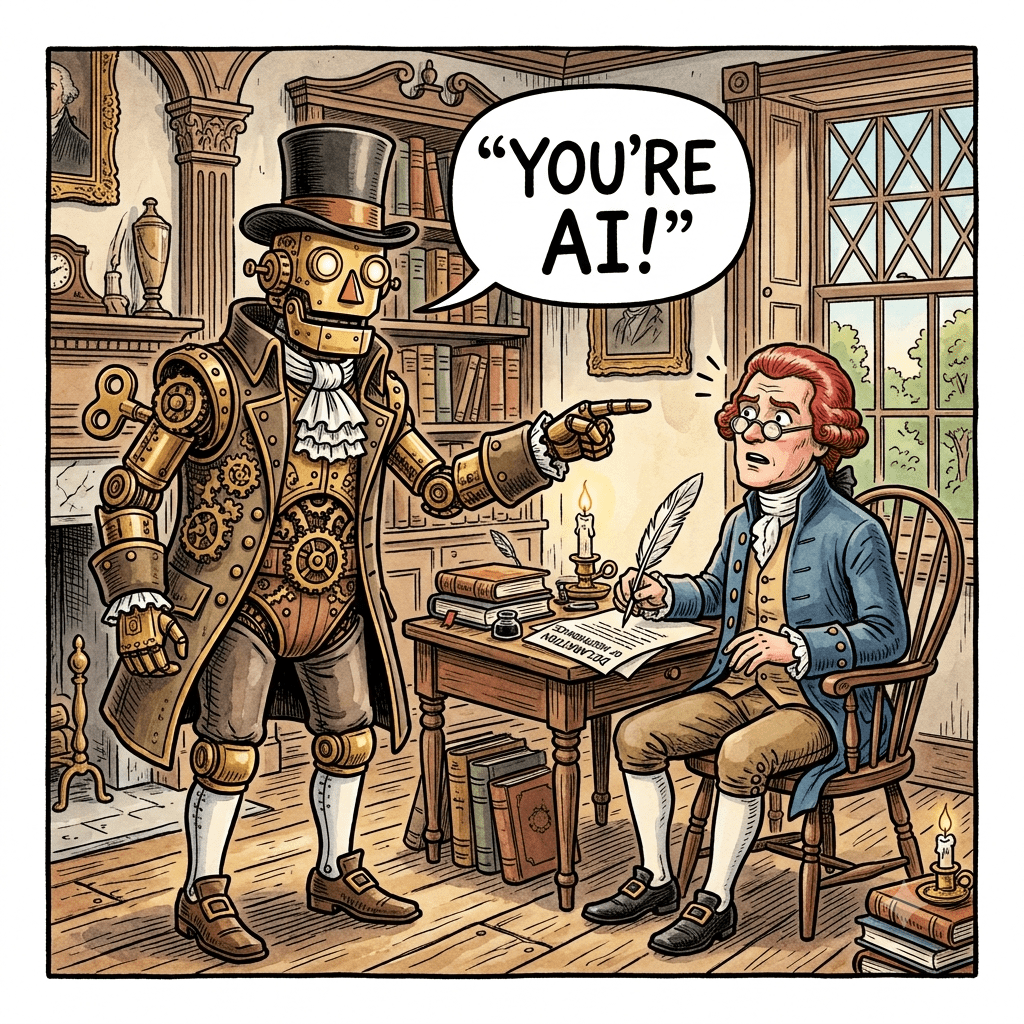
No One Cares About Features…Or Your Product

With apologies to “experts” who can detect AI-generated text—they know who they are—I want to DELVE into a statement I made in my 9am post.

“I don’t ask for your feature list; no one cares.”

Over the years I have managed or marketed a number of products and services: Omnitrak, Printrak BIS, MorphoBIS Cloud, Morpho Video Investigator, Incode Omni, AEM Resurgence, IB360°, and many others.

All of which had extremely impressive lists of features.

And over the years I slowly realized that prospects and even happy customers didn’t care about ANY of those features.

Because customers don’t buy features…or products.

They buy solutions to their problems.

  • If you’re telling prospects about your 1000 pixel per inch resolution, they will respond “So what?” and ask about reducing their jurisdictional crime.
  • If you’re telling prospects about your certifications, they will respond “So what?” and ask about keeping privacy lawsuits away.
  • And if you’re telling your prospects about your financial integrations, they will respond “So what?” and ask about making money. Lots of money. Loads of money.
Everything counts in large amounts.

Your product marketing shouldn’t talk about your products.

It should speak to your prospects.

Because then your products won’t only make money for your customers, but will also make money for you.

And don’t you want money, rather than a long feature list?

Let’s talk.

Use Bredemarket content.

Don’t Bore Your Prospects; Compel Them

If your product marketing is so “me too” that you only generate leads for your competitors, how can I help?

I ask, then I act.

The Seven Questions I Ask.

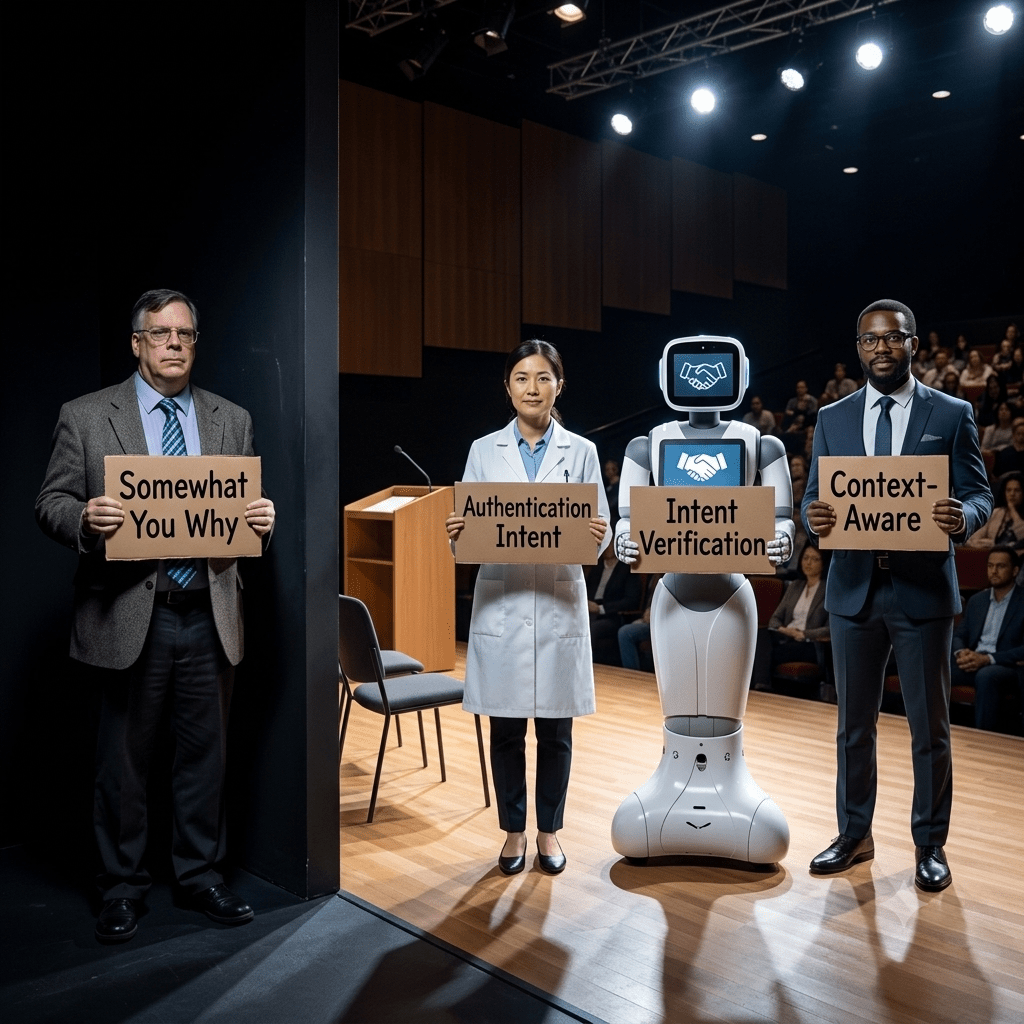
I don’t ask for your feature list; no one cares. I ask to uncover YOUR “why” story that compels your prospects to buy your stellar product, rather than all the products that aren’t as valuable as yours.

Then I act. I create a draft for your review. And you act in reviewing it. And when we are both happy, you publish.

And your prospects respond.

Talk to Bredemarket.

Before Fingerprints, Words

From “Who I Am”:

“I am John E. Bredehoft, and I have enjoyed writing for a while now. And for a while I’ve been able to make a living at it.”

For a while.

And it has been a compulsion, even today.

“I guess I’m a “you can pry my keyboard out of my cold dead hands” type.”

Although I’m presently using a phone’s virtual keyboard, same difference.

How Much “Privacy First”?

While extremes resonate, they may not be practical.

Take “privacy first.”

Our intuition tells us that a lack of privacy is bad, so companies give us what we want. Privacy.

The privacy first extreme is exemplified by World, formerly WorldCoin. World can theoretically build a database of the irises of millions of people…but by design it does not know who any of them are. Am I eligible to vote in California? No idea.

Another extreme is exemplified by how we respond to ad-related queries. Our responses are understandable.

Google Gemini.
  • When I see an ad that reads, “John, MBAs in Ontario, California are drinking this smoothie,” I wonder what else “they” know about me. (And yes, they know my age.)
  • So I go to the extreme and decide that I don’t want “them” to know anything about me.
  • Seems like a good idea until I start seeing ads for pink miniskirts…and the ads are in Chinese.
Google Gemini.
  • I prepare to complain and ask why I’m seeing these ads, but then I remember that by design, the advertisers don’t know me from Adam…or, apparently, Eve.

So the privacy debate is not Boolean but is more nuanced.

  • What types of personally identifiable information or protected health information will a system store?
  • Who can access it?
  • What happens when (not if) the system is breached?

Amazon Stale, May 2026 Edition

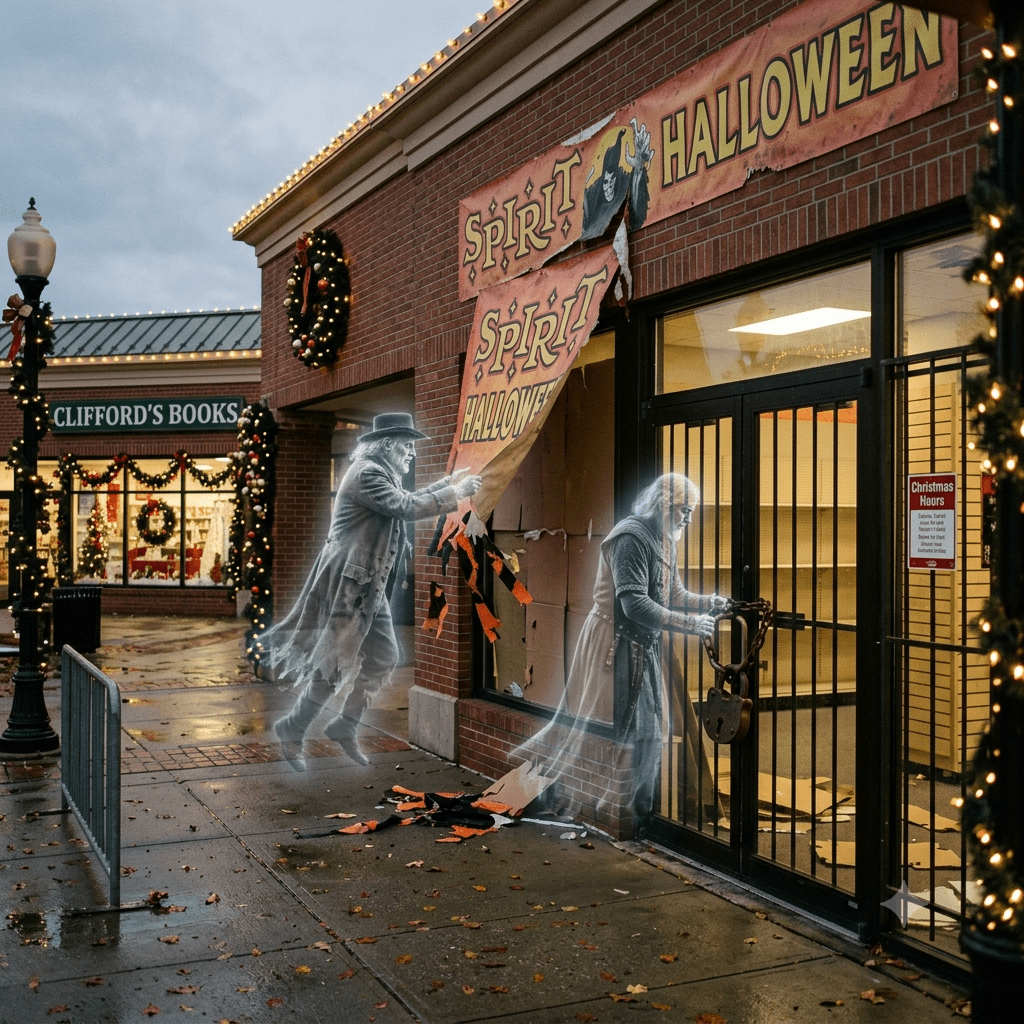
Foothill and 2nd, Upland, California. Wasn’t I just at a grand opening here a little over a year ago? But you know what happened to Amazon Fresh, here and elsewhere.

On Thursday afternoon I finally had a chance to see what was left, two months after the end. I doubted that this location would become a Whole Foods since one already exists just a few miles away. Looks like I was right.

Even the EV charging stations are pulled out.

I’m not charged up, do put me down.

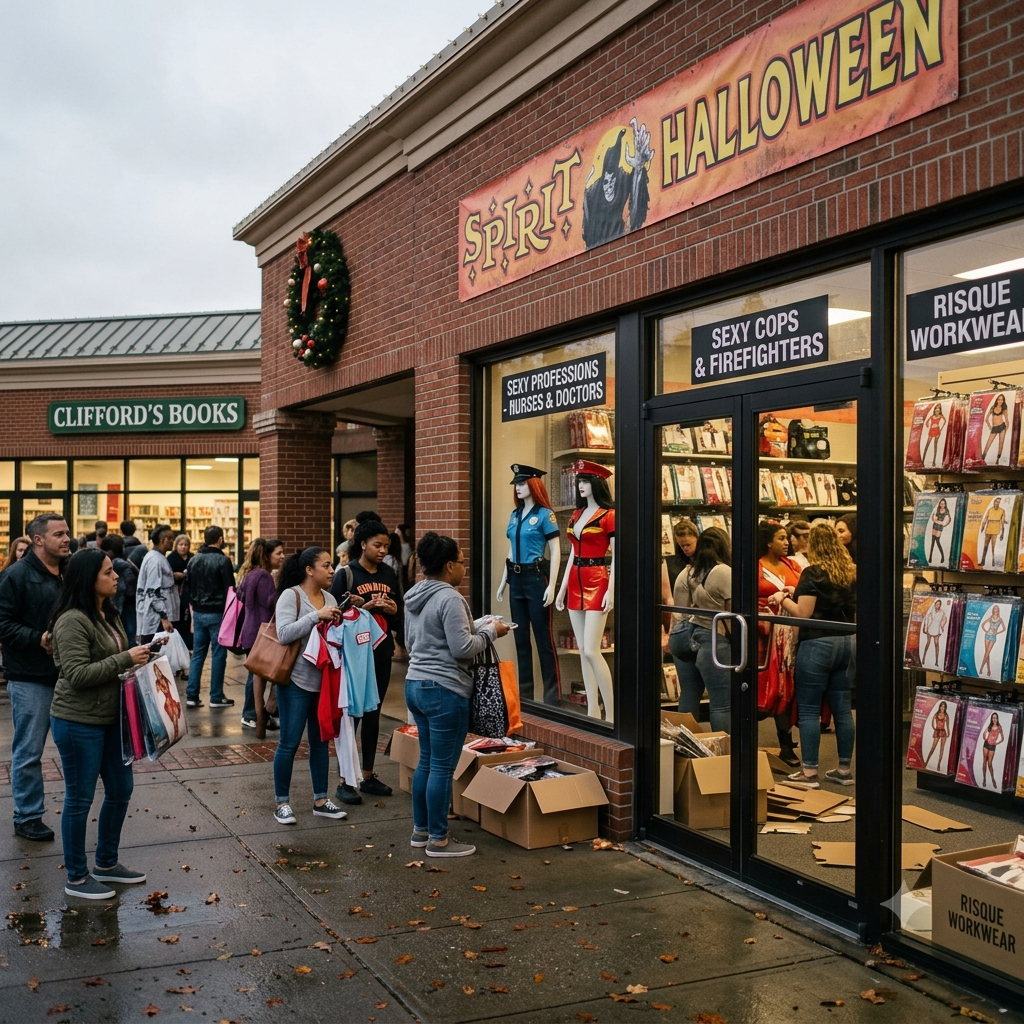
In an unusual co-location of retail upheaval, the store just west of this one is a Dollar Tree…that used to be a 99¢ Only Store. Other stores were converted.

And that’s just the consumer world. We know what the business-government world (where Amazon also plays) is like.

Does Your Identity/Biometric Product Provide Certainty?

In case you didn’t know this, the word “trust” makes me yawn. Everybody uses it. Everybody sounds the same.

So let’s talk about certainty.

It’s not an exact synonym, but I think it’s better. It’s one thing to trust someone, but another to be certain of an outcome.

Google Gemini.

Does your identity/biometric product assure your company’s prospects that the product accurately identifies people…and doesn’t misidentify them?

(Certainty is essential because trusting a concert promoter is pointless if the promoter delivers Dread Zeppelin when you expected Led Zeppelin.)

Dread Zeppelin, “Immigrant Song.”

Do your product marketing materials explain:

  • Why your product works?
  • How it works?
  • The benefits your customers receive?

Your prospects have a lot of questions. So do I.

The Seven Questions I Ask.

Bredemarket’s questions help my clients and I deliver expert content, proposals, and analysis that convey certainty to prospects and customers.

To learn more and schedule a free meeting, click here or below.

BIPA Violations and “Investigative Journalism”

When I saw this statement in Biometric Update’s summary of a a BIPA lawsuit against Google for voiceprint use, I had to laugh.

“NotebookLM Audio Overviews can be used to generate podcasts, directly competing with investigative audio journalism and narration work.”

Invesigative audio journalism?

Have any of the plaintiffs ever HEARD a NotebookLM Audio Overview?

I shared one over a year ago when my LinkedIn profile was used to create the audio overview “Career Detective.” It’s so fawning about my amazing background that it is nowhere near investigative journalism.

Or maybe investigative journalisn is just that bad.

Judge for yourself whether this AI-generated “podcast” would compete with a real investigative podcast:

Using LLMs for KYC. What Could Go Wrong?

The title of this post uses acronyms for brevity, but the full version is “Using Large Language Models for Know Your Customer. What Could Go Wrong?”

Biometric Update links to a TrendAI post that demonstrates how the use of a large language model to analyze document data is a vulnerability to prompt attacks.

“In a real-world stack built with FastAPI, Claude Code, and a SQLite MCP backend, his team embedded malicious instructions inside a passport so that the AI agent followed them and leaked other customer records directly into the verification page.”

Google Gemini. I tried to create the image with a fake too-short onion address but Google Gemini prohibited that.

What does this mean?

“The takeaway here is that if your AI can read documents and call tools, your documents can potentially become executable attack surfaces even when guarded with strict schemas.”

Something a human wouldn’t do.