White papers. My white papers have made the case for the superiority of my clients’ products and services.
Winning PROPOSAL Development
Proposal services (managing, writing, editing, other). My proposals have won business for Bredemarket clients and for my former employers.
Actionable ANALYSIS
Analysis services. My market, product, and competitive analyses for Bredemarket clients and former employers have not only gathered necessary information and insights, but have also suggested a path forward.
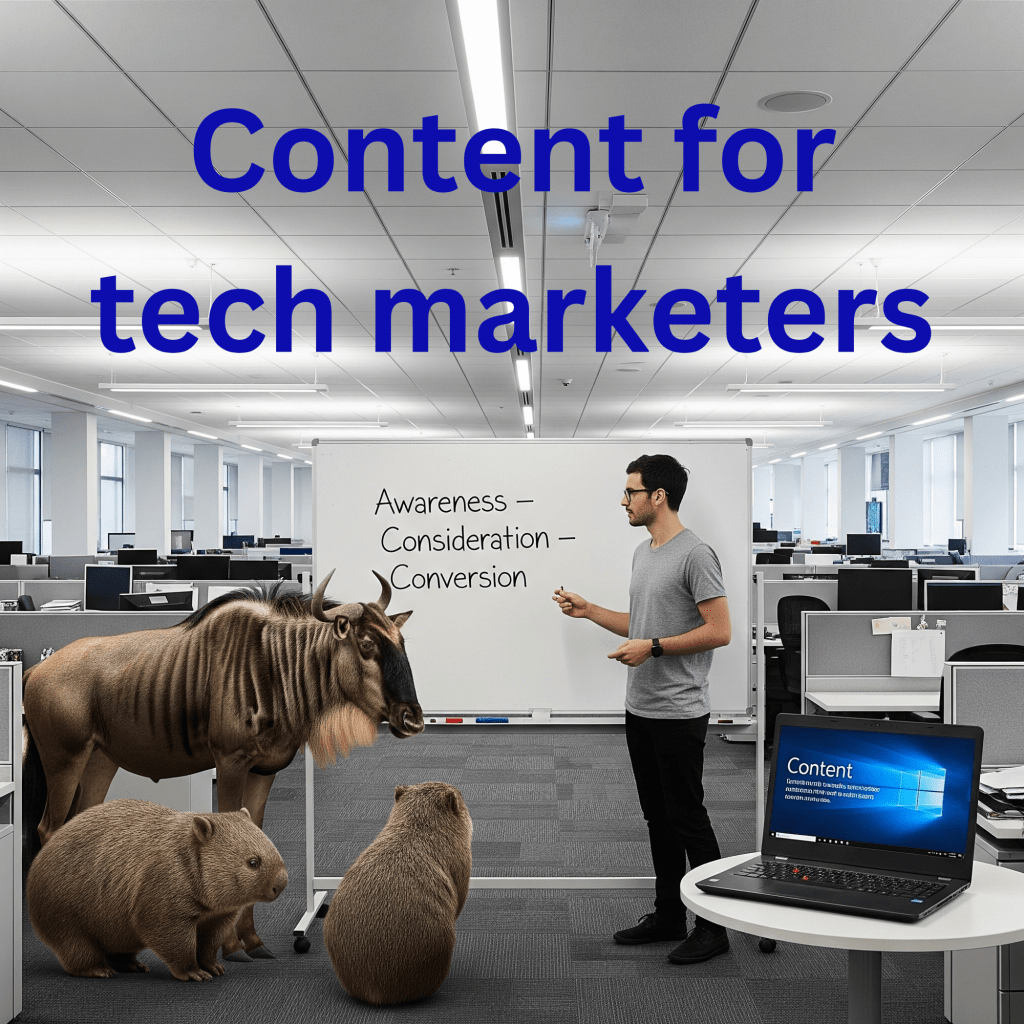
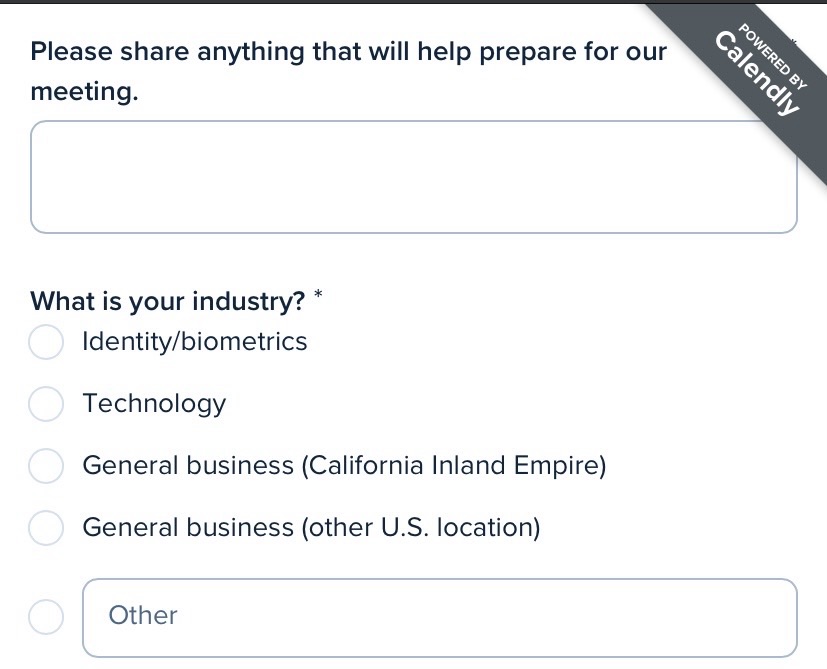
Content for tech marketers.You can fill out the Calendly form yourself. Click the image.
According to WordPress, no one from Mongolia has EVER visited the Bredemarket website.
In reality it doesn’t matter, since I primarily do business with United States companies, and tens of thousands of people from the U.S. visit Bredemarket.
But I can’t achieve my goal of total world domination until I conquer Mongolia.
A lofty aspiration. Mongolia isn’t into being conquered.
Google Gemini.
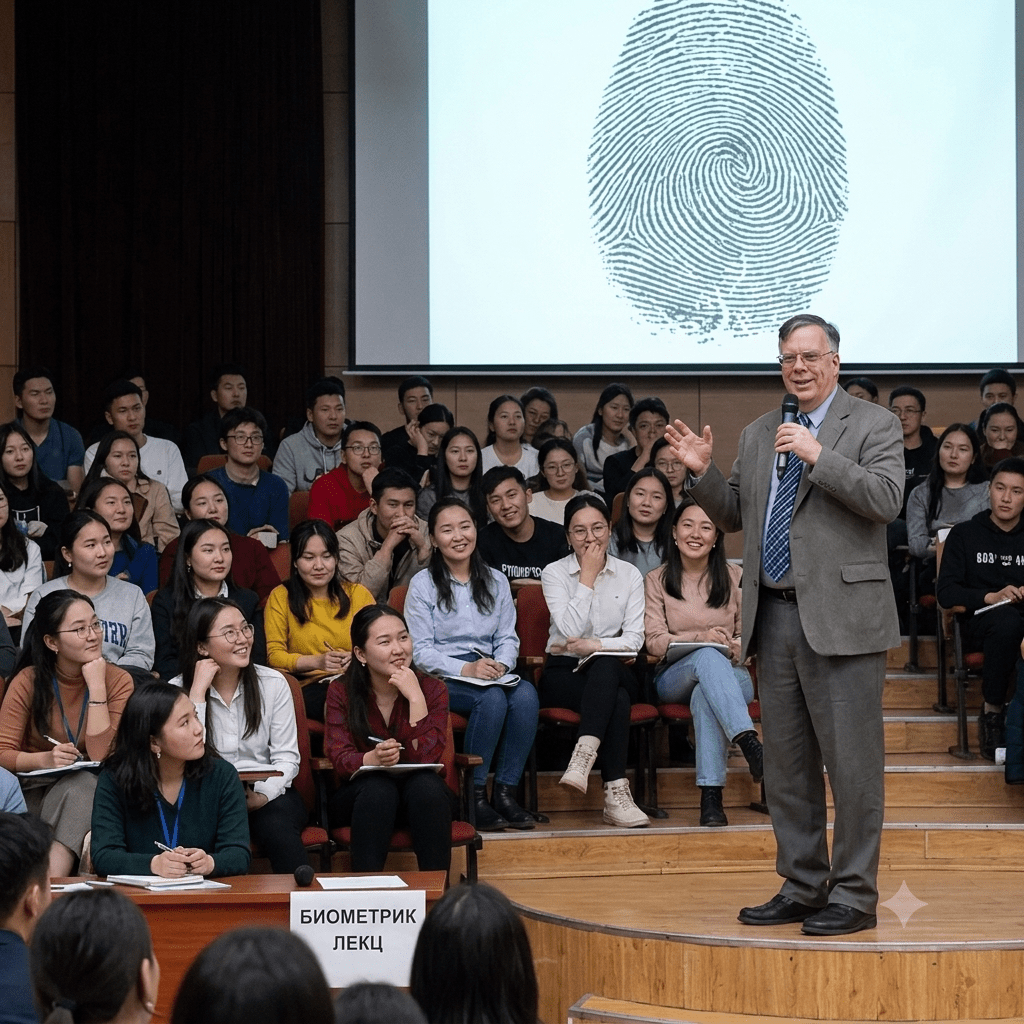
So I have to have a…customer focus. Among other things, this means I have to address them in the official Khalkha dialect.
But because I am a product marketing expert (albeit in biometrics, not monetization), I have improved on Gladbach’s inferior suggestions.
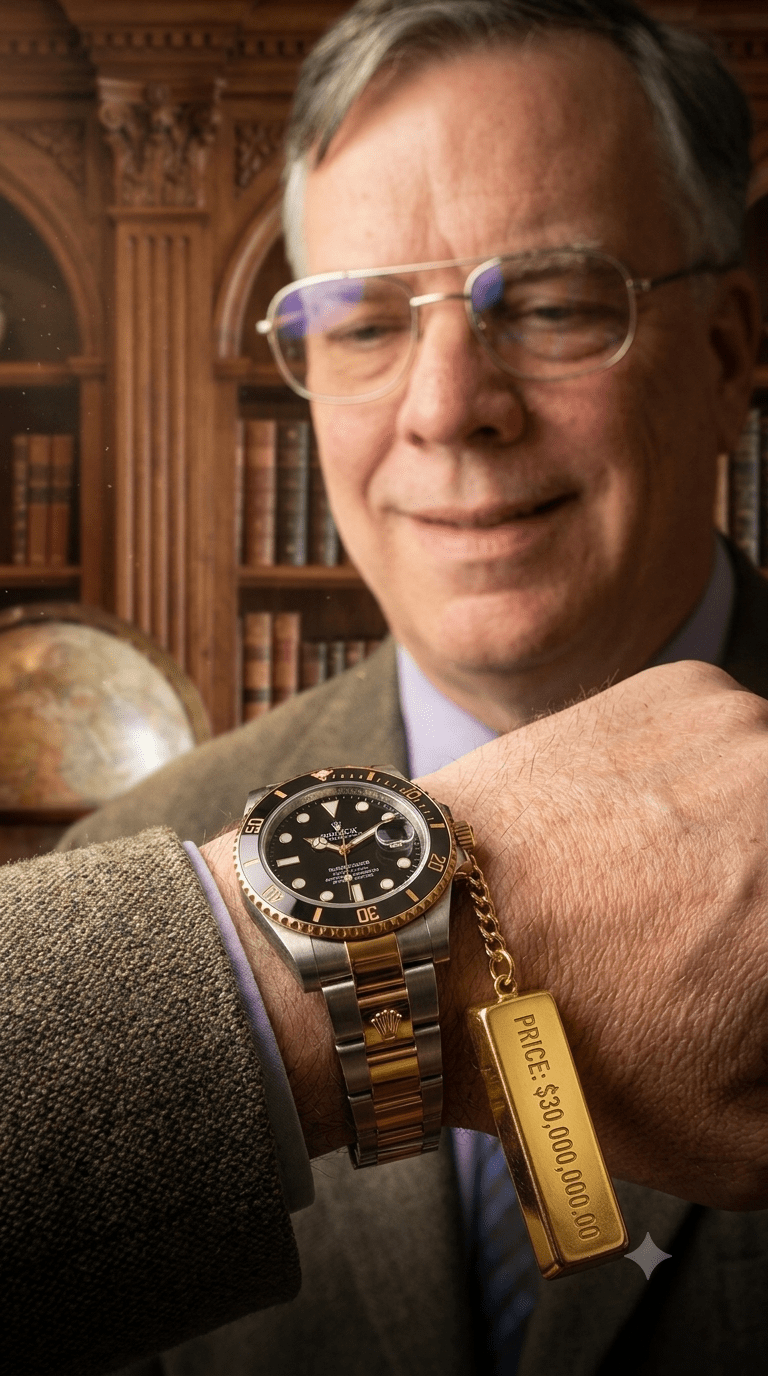
Rather than arranging for Robin Leach-inspired “rich and famous” Ferrari/Rolex photo shoots (Stefan’s first point) and laboriously writing up an expensive course (his second point), I assigned the tasks to AI. This offers the added benefit of satisfying Stefan’s third point, losing all morals.
So here is my course, thanks to Google Gemini. But don’t tell anyone that.
IAM. Invest in me—I mean invest in yourself.Read the fine print.
On Wednesday I shared the post “Is Fingerprint Evidence ‘Fryed’ in New Jersey?” My post concerned a mandated hearing on the admissibility of fingerprint evidence in court. This hearing has not yet been held, so there are no new standard that govern (or bar) the use of fingerprints to convict or exonerate people.
Google Gemini.
But that isn’t the only time friction ridge admissibility was strongly challenged.
There is a case in which a Frye challenge succeeded in blocking friction ridge evidence from a Maryland state court.
Not that it mattered in the end.
State of Maryland vs. Bryan Rose
Judge Susan Souder issued a 30 page decision in this case, from which I will quote extensively. But not that extensively.
And before I do, I want to put this on the forensic timeline.
Souder’s decision was issued after the Brandon Mayfield misidentification, in which Mayfield was incorrectly identified as a terrorist in Spain.
Souder’s decision was issued before the National Academies of Science report on forensics, which resulted in significant cases on how fingerprints are examined and results are reported.
So bear this in mind. A highly publlcized case had shattered the notion that fingerprint matching decisions are infallible (“100% certainty”), but the forensic discipline had not yet moved toward an alternative.
A man was shot and killed on January 5, 2006, and Bryan Rose was arrested on January 18. At this time, the evidence against Bryan Rose consisted of latent prints on a stolen car, which two crime lab technicians linked to Rose’s known prints. The technicians relied on the Analysis Comparison Evaluation – Verification (ACE-V) methodology, and this reliance was central to the challenge.
“Both sides have requested that the Court determine the issue of reliability of the ACE-V methodology, and consequent admission vel non of the latent fingerprints, without reference to the specific fingerprint evidence in this case.”
In other words, the ruling was not based upon the facts in this particular case, but the use of ACE-V itself.
So what were the arguments for and against the admissibility of ACE-V?
“Defendant contends that ACE-V is not a methodology which has been subjected to scientific testing. As a result, the error rate in latent print identifications is unknown. Absent an error rate, reliability of the methodology is unproven. A fundamental problem, according to Defendant, is that the subjective comparisons in ACE-V involve psychological phenomena known as “confirmation bias.” Further, Defendant argues that the “standards” for latent fingerprint identification are inadequate.
“The State principally relies on the history of acceptance of fingerprint identification evidence. Maryland courts have found fingerprint identification to be admissible in the past. Recent court challenges to fingerprint identification evidence have been rejected. Finally, the State claims that the ACE-V methodology is generally accepted in the relevant technical community.”
Those words “generally accepted” should be noted. As Judge Souder noted elsewhere in her decision:
“Under the Frye – Reed test, a party must establish first that a technical or scientific method is reliable and accepted generally in the scientific community before the court will admit expert testimony based upon the application of the questioned technique.”
But general acceptance is not enough. The method must also be reliable.
Turning to ACE-V itself, Judge Souder noted:
“The ACE-V method ‘includes both qualitative and quantitative analysis’ according to The Scientific Working Group for Friction Ridge Analysis, Study and Technology hereafter referred to (;SWGFAST).”
In Judge Souder’s view, the qualitative nature of analysis and the other steps in ACE-V caused her to question the scientific basis of the process. Things seemed a little loose.
“Mr. (Stephen) Meagher testified in this case that he is able to make identifications today that he would not have been able to do thirty (30) years ago.”
I’ve known Meagher during and after his time in the FBI, but if Meagher were using a scientific method, why would his experience matter?
There were a lot of other details that I skipped over, but you can click on the link above if you’re interested.
A two-day Frye hearing was heled on May 29 and 30, 2007.
On October 19, Judge Souder reached her decision.
“In conclusion, the proof presented by the State in this case regarding the ACE-V methodology of latent fingerprint identification showed that it was more likely so, than not so, that ACE-V was the type of procedure Frye was intended to banish, that is, a subjective, untested, unverifiable identification procedure that purports to be infallible. After impartial scientific testing, the establishment of an error rate and of objective criteria which when applied, are documented and can be verified, it may be that latent print identification opinion testimony as offered in this capital case will qualify for admission under Frye-Reed. The State did not meet that burden in this case and, consequently, shall not offer testimony that any latent fingerprint in this case is that of the Defendant. In this case, the State did not show by a preponderance of evidence that a fingerprint examiner can reliably identify a fingerprint to an individual to the exclusion of all others using the ACE-V method.”
The decision pretty nuch crrippled the State’s case, and the State eventually dropped all charges against Rose.
United States v. Brian Keith Rose
But that didn’t mean the end of the prosecution, because the U.S. Department of Justice stepped in.
We’ve seen this before. Remember when the State of California failed to convict the four officers involved in the beating of Rodney King? After that happened, the federal govvernment charged the men, and two of the four were convicted.
In the Rose case, the federal government filed new charges in its case, United States v. Brian Keith Rose.
The federal judge, U.S. District Judge Catherine C. Blake, also held a hearing (under Daubert rules) on the admissibility of ACE-V. However, Blake ruled in late 2009 that ACE-V was admissible. This prompted Rose to reach a plea deal to escape the death penalty, and he was eventually sentenced to 40 years without the possibility of parole.
So much for Judge Souder’s ruling.
And one more thing
In both the Rodney King and the Brian Rose cases, charges were filed at both the state and federal level. Doesn’t that constitute double jeopardy, which is prohibited by the Fifth Amendment to the U.S. Constitution?
It doesn’t.
Double jeopardy only applies if the same sovereign state (California, Maryland, or the United States) charges the same defendant twice. Since the charges were filed on separate sovereign states, double jeopardy does not apply.
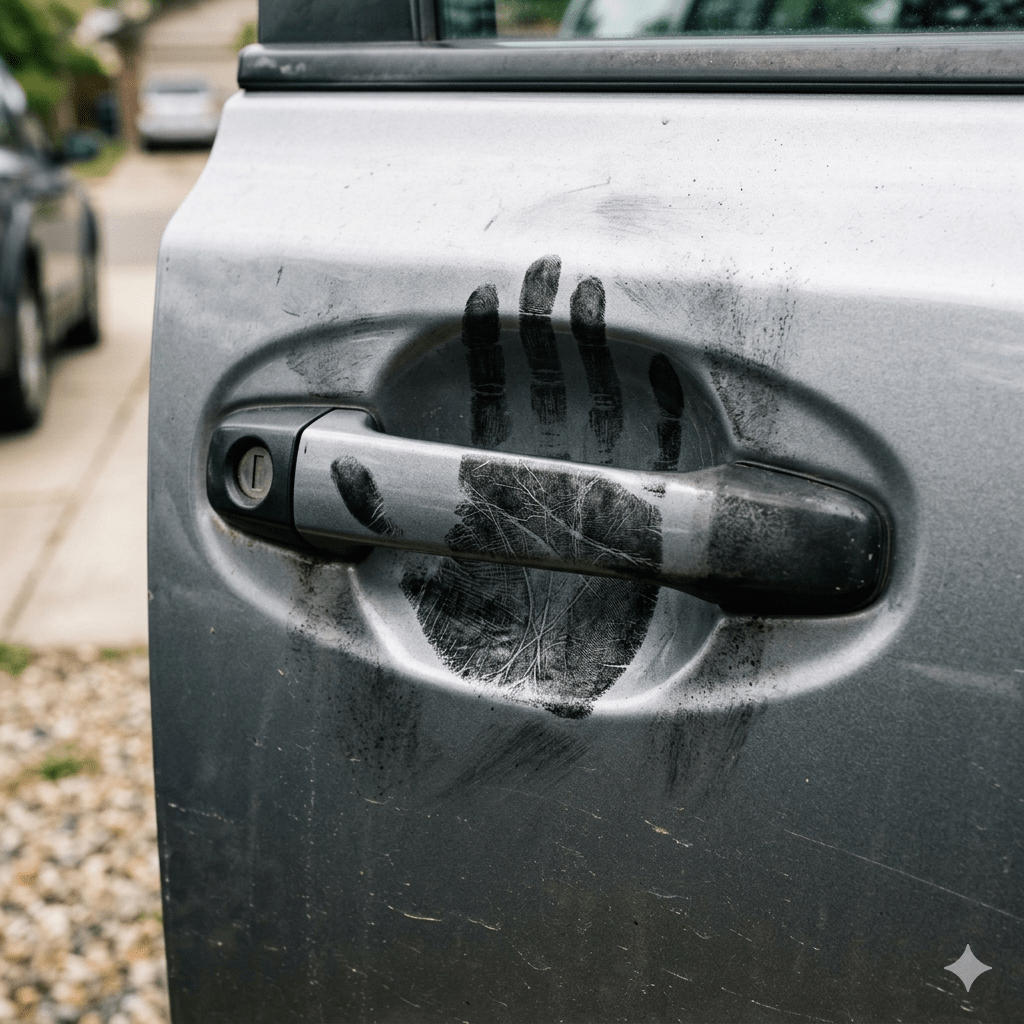
Oh, and here’s a song about palm prints.
“Cold Steel Handle.” Google Gemini/Lyria. Public Domain.
Vendors that develop fingerprint templates and matchers usually develop their own proprietary algorithms, but there is one instance in which the vendors work together.
ANSI INCITS 378-2009 (S2019) specifies a universal fingerprint format, and vendors can develop 378-compatible template generators and matchers.
How are these measured? By NIST’s MINEX III testing.
When sorted in NIST default order for a false negative match rate at a given false match rate (“Pooled 2 Fingers FNMR @ FMR≤10-2“), the top vendors include IDEMIA, Innovatrics, and Neurotechnology.
But remember that this only matters when using ANSI INCITS 378 templates. It doesn’t matter if you’re using a vendor’s proprietary template.
So who uses ANSI INCITS 378 templates?
Cards and systems based upon Personal Identity Verification (PIV) templates, as specified by Homeland Security Presidential Directive 12 (HSPD-12) and FIPS 201.
Certain cards using Match-on-Card technology.
But most systems you encounter will NOT use ANSI INCITS 378, so the standard may not matter to you at all.
Do your customers care?
But even if you are deploying systems that use ANSI INCITS 378, your customers don’t care.
They just care about complying with federal regulations for PIV cards.
Human brains are wired for the tangible. For thousands of years, “wealth” meant something you could hold, pass around, or lock in a chest. When Bitcoin arrived, it completely flipped the script by being entirely decentralized and digital. But from a marketing psychology standpoint, trying to sell a conceptual string of cryptographic code to the masses is a nightmare. Humans don’t trust what they can’t visualize.
By rendering Bitcoin as a shiny, physical gold coin stamped with a bold “B,” marketers tap into deep-seated cognitive biases. It instantly anchors the abstract concept of cryptocurrency to traditional money and precious metals. It creates an illusion of stability, weight, and intrinsic value. If we just showed lines of code or network nodes, the average person’s brain would reject it as abstract noise.
Think of it this way: even the smartest wildebeests acting as marketing consultants wouldn’t try to sell abstract “grazing rights” to a herd of thirsty wombats without showing them a physical patch of green grass first. We need that mental bridge. The physical coin image makes a complex digital revolution feel familiar, safe, and worth holding onto.
“Hi, your technician Chris…from…is on the way to….Chis [sic] is a skilled HVAC technician who takes pride in providing reliable service and honest solutions. He’s known for his friendly approach and putting customer comfort first on every job. Call our office for any questions…”
But unlike my ISP, I don’t get a cool map showing me where Chris’ truck is.
The best thing for all of us to do is just flat out assume that the personally identifiable information (PII) that companies collect from us WILL be compromised.
I’ve always assumed that Madison Square Garden and the New York Knicks LIKE celebrities. They get so much free publicity from them, after all.
“A criminal hacker collective called ShinyHunters recently published a slew of documents exposing the MSG database….ShinyHunters had demanded ransom to delete their data, but MSG apparently didn’t meet their terms.”
But then the celebrities found out what MSG was tracking about them.
“93 entries are marked as “LGBTQIA,” such as Ricky Martin, Phoebe Bridgers, and Geese’s Emily Green….
“The database also marks some entries with risk scores, often based on social media posts, a source told Wired. ‘It doesn’t have to be that serious. You could just be critical of the team or the place itself,’ the source said.”
This is what businesses like MSG fail to recognize. A data breach doesn’t only harm the victims. It also harms the organization itself because they’re perceived as a security risk. In the case of MSG they’re also perceived as nosy, even paranoid.
Google Gemini.
Which is one of the reasons why Bredemarket collects only the minimum necessary data on its Calendly form and other forms. I don’t ask for your sexual orientation or even your favorite sports team.















 Bredemarket