
(Imagen 4)
(Part of the biometric product marketing expert series)
How many of you have heard of the Certified Products List (CPL)?
The CPL’s vendor coverage
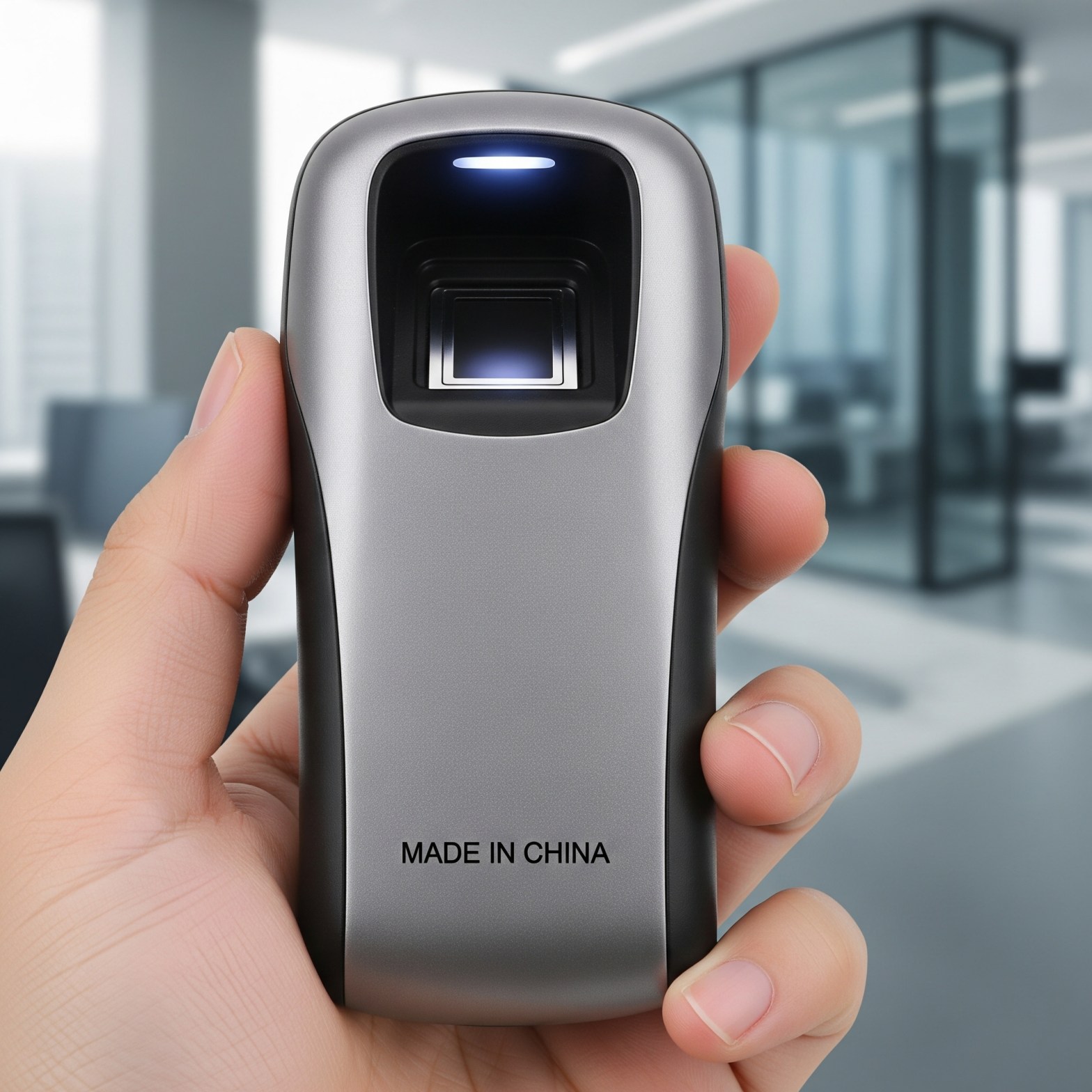
This list, part of the FBI’s Biometric Specifications website (FBI Biospecs), contains fingerprint card printers, fingerprint card scan systems, identification flats systems, live scan systems, mobile ID devices, and other products. Presence on the CPL indicates that the product complies with a relevant image quality specification such as Appendix F of the Electronic Biometric Transmission Specification.
The Certified Products List has existed since the 1990s and includes a number of products with which I am familiar. These products come from companies past and present, including 3M Cogent, Aware, Biometrics4All, Cross Match, DataWorks Plus, IDEMIA Identity & Security France, Identicator, Mentalix, Morpho, Motorola, NEC Technologies, Printrak, Sagem Defense Securite, Thales, and many others.
As of June 26, 2025, it also references companies such as Shenzhen Interface Cognition Technology Co., Ltd. and Shenzhen Zhi Ang Science and Technology Co., Ltd.
A strongly worded letter
Those and other listings caused heartburn for the bipartisan Members of the U.S. House of Representatives Select Committee on the Chinese Communist Party.
So they sent a strongly worded letter.
“We write to respectfully urge the FBI to put an end to its ongoing certification of products from Chinese military-linked and surveillance companies—including companies blacklisted or red-flagged by the U.S. government—that could be used to spy on Americans, strengthen the repressive surveillance state of the People’s Republic of China (PRC), and otherwise threaten U.S. national security.”
Interestingly enough, they make a big deal of Hikvision products on the list, but I searched the CPL multiple times and found no Hikvision products.
The CPL’s purpose
And it’s important to note the FBI’s own caveat about the CPL:
“The Certified Product List (CPL) provides users with a list of products that have been tested and are in compliance with Next Generation Identification image quality specifications (IQS) regarding the capture of friction ridge images. Specifications and standards other than image quality may still need to be met. Appearance on the CPL is not, and should not be construed as, an FBI endorsement, nor should it be relied upon for any requirement beyond IQS. Users should contact their State CJIS Systems Officer (CSO) or Information Security Officer (ISO) to ensure compliance with the necessary policies and/or guidelines.“
In other words, the ONLY purpose of the CPL is to indicate whether the products in question meet technology standards. It has nothing to do with export controls or any other criteria that any law enforcement agency needs to follow when buying a product.
What about the U.S. Department of Commerce?
But the FBI isn’t the only agency “promoting” Chinese biometrics.
Wait until the Select Committee discovers the Department of Commerce’s NIST FRTE lists, including the FRTE 1:1 and FRTE 1:N lists. The tops of these lists (previously known as FRVT) include many Chinese companies.
And actually, the FRTE testing includes facial recognition products that inspired U.S. export bans. Fingerprint devices are harder to use to repress people.
What next?
What happens if the concern extends beyond China, to products produced in France and products produced in Canada?
Regarding the strongly worded letter, Biometric Update added one detail:
“As of this writing, the FBI has not issued a public response. Whether the bureau will move to decertify the flagged companies or push back on the committee’s recommendations remains to be seen. But with multiple national security statutes already in place, and Congress signaling a willingness to legislate further, the days of quiet certification for foreign adversary-linked tech firms may be numbered.”








 Bredemarket