Living the (Real) Nomad Life

(Imagen 4)

To hear some people discuss remote work, they lay it on thick on the “work from anywhere” part of it. (Provided that your legal residence is in a jurisdiction where your company or your employer is authorized to conduct business.)

Imagen 4.

You know, “Here I am in a villa on the beach for the week! #livingthenomadlife”

Well, I’ve performed a lot of remote work for IDEMIA, Bredemarket, Incode, and other companies in my day, but usually not in a visitors’ bureau featured location. 

Imagen 4.

Here’s where I’ve worked remotely over the last few years:

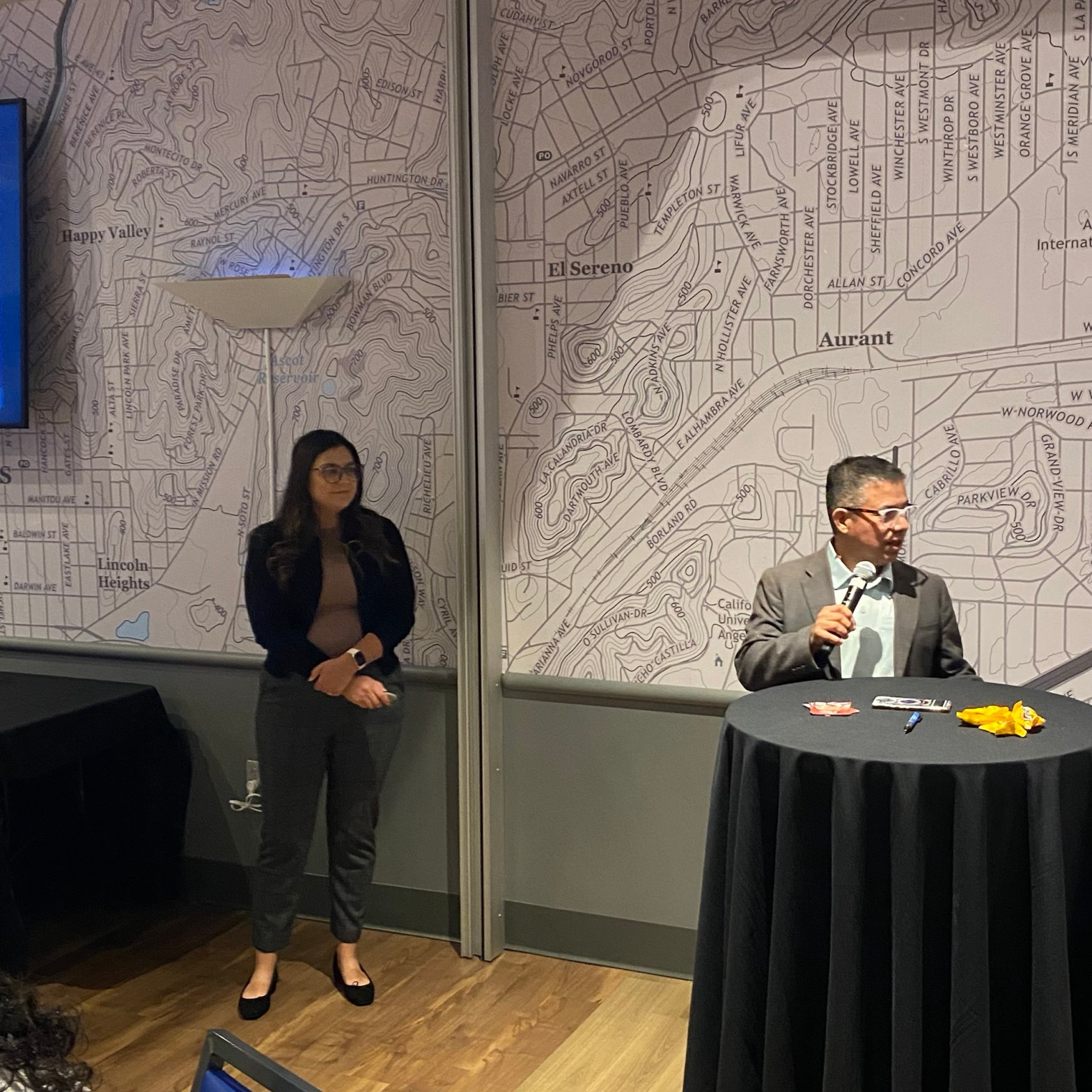
  • Spring 2019: a hotel in San Diego, California for IDEMIA’s Public Safety User Conference. The usual routine, spending half my time in our private command center coordinating sessions and speakers, and the other half of my time everywhere else.
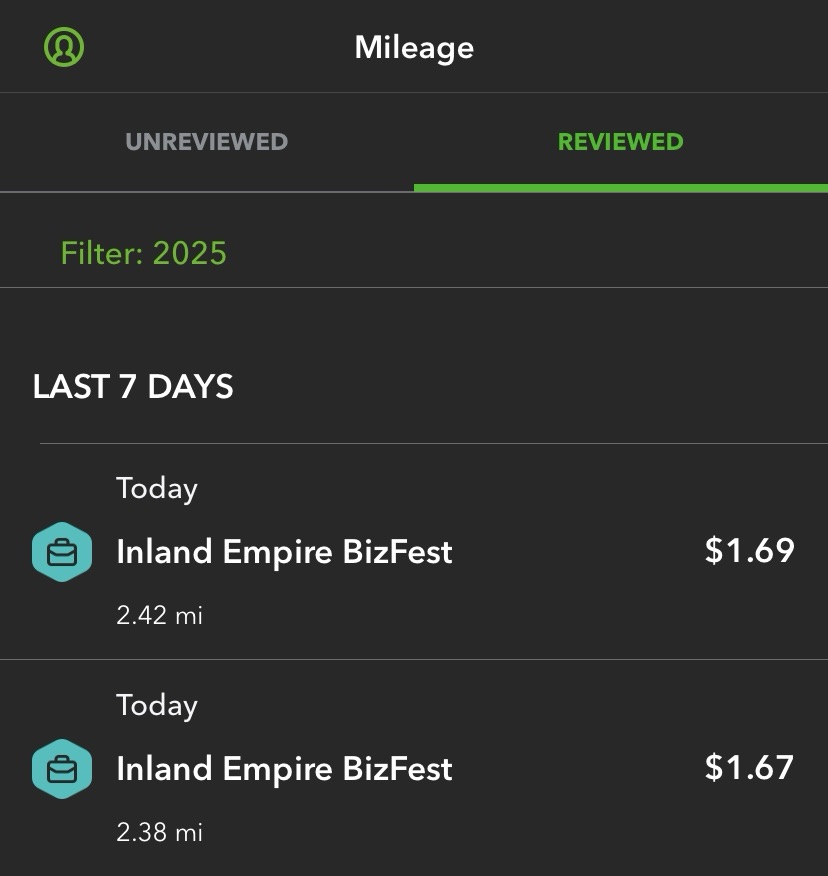
  • Spring 2020-present: my home in Ontario, California. IDEMIA sent us home during COVID, where I worked for IDEMIA, then Bredemarket, then Incode, then Bredemarket again. The big highlight of my career was when my 25 square foot working space (as declared for tax purposes) moved from the front bedroom to the middle bedroom.
  • Fall 2020: a relative’s house in northern Alabama. I made vacation airline reservations before my COVID-related layoff, and it made no sense to cancel them so I went. It ended up being a working vacation, participating in an interview in which I was quoted in a German language publication, and making connections with two companies that would become Bredemarket clients.
  • Spring 2023: an office in Mexico City. This was an Incode offsite originally planned for the summer of 2022 but delayed. Many high points, but the low point was an earthquake drill that required us to walk down several flights of stairs…then walk back up those same flights of stairs. This was worse than the real earthquake that happened that week.
Imagen 4.

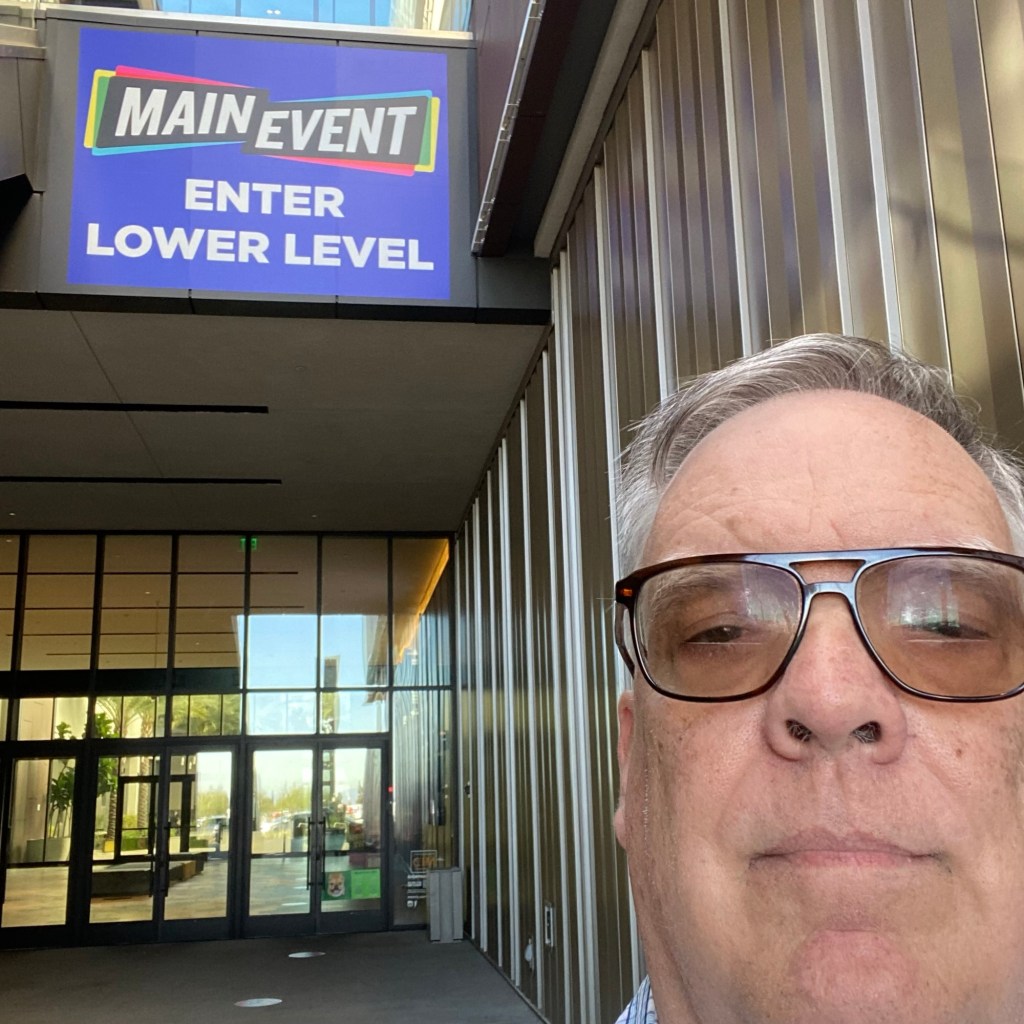
Which brings me to today and my new nomad location, a relative’s house in California. The relative is having outpatient surgery as I type this, and I’m staying overnight until he recovers.

Not exactly the romantic nomad life of exotic locations, but it definitely provides flexibility so that I can continue to work and take care of personal business.

This is a real picture. Fancy, huh?

Only problem: I forgot to bring my swimsuit.

But I will be performing some client work over the next two days.

And I could have been performing client work for you, but I guess that will have to wait until I return to my regular 25 square foot remote location. Book a meeting if Bredemarket can help you create content…from any location.

Content for tech marketers.

My Appearances in Biometric Update in 2015, 2025…and 2035?

Depending upon your background, the fact that I’ve appeared in Biometric Update twice may or may not be a big deal to you. But I’m happy about it.

Biometric Update is a Canadian-based publication that…um…self-identifies as follows:

“We provide the world’s leading news coverage and information on the global biometric technology market via the web and an exclusive daily newsletter. Our daily biometrics updates, industry perspectives, interviews, columns and in-depth features explore a broad range of modalities and methods, from fingerprint, voice, iris, and facial recognition, to cutting-edge technologies like DNA analysis and gait recognition, related identification tools such as behavioral biometrics, and non-biometric identification methods such as identity document verification and telephone forensics. Our coverage touches on all applications and issues dealt with in the sector, including national security, mobile identity, and border control, with a special emphasis on UN Sustainable Development Goal 16.9 to provide universal digital identification and the ID4Africa movement.”

Over the last ten years, there have been two instances in which I have been newsworthy.

2015 with MorphoTrak

The first occurred in 2015, when my then-employer MorphoTrak exhibited an airport gate called MorphoWay at a conference then known as connect:ID. At the 2015 show, I demonstrated MorphoWay for Biometric Update’s videographer.

Me at connect:ID, 2015.

“In the video, Bredehoft scans his passport through the document reader, which checks the passport against a database to verify that it is, in fact, a CBP-authorized document.

“Once verified, the gates automatically open to allow Bredehoft to exit the area.”

2025 with Bredemarket

The second occurred ten years later in 2025, when I wrote a guest opinion piece entitled “Opinion: Vendors must disclose responsible uses of biometric data.” As I previously mentioned, I discussed the need to obtain consent for use of biometric data in certain instances, and noted:

“Some government agencies, private organizations, and biometric vendors have well-established procedures for acquiring the necessary consents.

“Others? Well…”

Biometric Update didn’t create a video this time around, but I did.

Biometric vendors…

2035???

So now that I’ve established a regular cadence for my appearances in Biometric Update, I fully expect to make a third appearance in 2035.

Because of my extensive biometric background, I predict that my 2035 appearance will concern the use of quantum computing to distinguish between a person and their fabricated clone using QCID (quantum clone identification).

No video yet, because I don’t know what video technology will be like ten years from now. So here’s an old fashioned 2D picture.

Imagen 4.

More On AI-Powered Electronic Health Records

(Imagen 4)

My prior post may have given the false impression that Tebra is the only company that employs artificial intelligence to improve the speed and accuracy of electronic health records (EHRs) and electronic medical records (EMRs).

There are actually several companies using AI or other technologies to improve EHR and EMR completion. Here’s a (woefully incomplete) list. Many of these companies also handle other practice management functions required by a medical practice, including intake, telehealth, and payments.

In addition, the really big bunch (Google, IBM, Microsoft, Oracle) all play in the space.

Who did I miss?

Oh, and if any of these companies need a product marketing consultant (or employee) to get the message out about your product, talk to me.

Increasing Speed and Accuracy of Electronic Health Record (EHR) Note Taking

(Imagen 4)

Electronic health records (EHRs) can be a pain in a particular body part. But Tebra and other firms offer ways to automate portions of the record keeping process. And if these automations work, they also increase EHR accuracy.

I’ve previously talked about how an EHR can incorporate a patient identifier, derived from the facial recognition of the patient. This prevents misidentification, which can cause severe problems if the EHR data is applied to the wrong patient.

But how do you populate the rest of the EHR?

According to Tebra, with EHR+.

“Tebra’s EHR+ platform connects care, billing, scheduling, and more. Built-in AI speeds up notes, handles reviews, and automates repetitive admin work.”

Tebra’s AI Note Assist claims to “[t]urn spoken or written words into structured notes,” presumably using natural language processing (NLP) and machine learning specifically trained on medical record keeping.

But always remember to comply with health, privacy, and other relevant laws.

“Before using AI-powered scribe tools, review applicable laws and regulations in your practice’s jurisdiction regarding electronic recordings, AI scribes, and informed consent. Some jurisdictions require verbal or written consent prior to any form of ambient documentation. Check your state board or consult legal counsel for guidance.”

And watch the video.

But Tebra and its competitors face a problem: you can only scream “AI” for so long before your prospects ask, “So what?” 

Bredemarket can create written content for tech marketers that attracts prospects.

Contact Bredemarket.

Content for tech marketers.

Meeting the Current Characters in the Bredemarket Saga

(Imagen)

I’ve told portions of this story at least twice before, but not all of it. Here is my February 2021 description:

“You’ve heard the saying about eating your own dog food. That statement bored me, so I started talking about eating your own iguana food. Eventually I tired of iguanas and pivoted to wildebeests.”

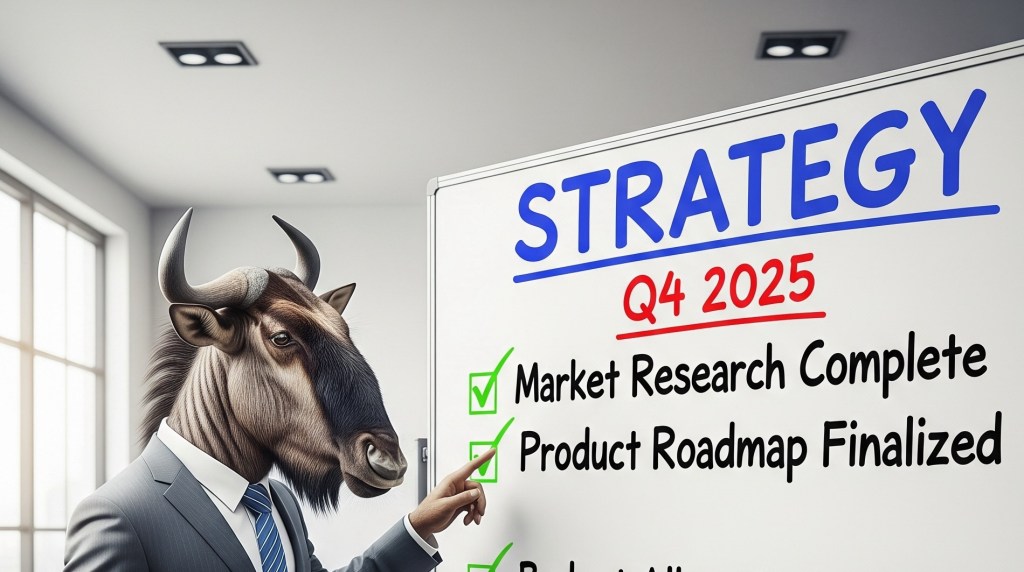
A wildebeest outside an imposing building with a locked gate.
The wildebeest.

Even though the wildebeest has become Bredemarket’s primary animal, the iguana still hangs around, usually playing the role of a bad hombre.

The iguana.

Some time after that the wombat started to appear, primarily to do things that the wildebeest found difficult because of his anatomy.

The wombat.

So the wildebeest, wombat, and iguana let Bredemarket brand itself a little differently than the myriad of firms that pride themselves on eating their own dog food.

And I don’t even know what wildebeests eat.

AI-Analyzing Computed Tomography (CT) Scans

From Philips’ announcement of a case study.

“Imagine a radiology department with over one hundred staff members analyzing thousands of CT images daily. Every minute of efficiency gain and workflow improvement means radiologists can spend more time with patients. Several years back, the radiology department at the Hospices Civils de Lyon (HCL) in France began a research collaboration journey with Philips to advance task automation using AI. Many of the algorithms generated in this clinical partnership are now available to radiologists everywhere via Advanced Visualization Workspace….

“‘“We perform many chest CT scans in the hospital. Most patients only need a scan of a specific body area: the neck, thorax, or abdominal. The more specific we can target, the better we are able to minimize the X-ray dose. In our first study, we developed an algorithm to classify the thorax, abdominal, or neck during a thoracic CT scan. This method has helped us raise awareness among radiology technicians to limit exploration to the region of interest only. Reducing the margin could reduce the X-ray dose on average by 20 per cent.’”

An additional result? Tasks that used to take minutes or hours now only take seconds.

For more information, see https://www.philips.com/a-w/about/news/archive/case-studies/co-creating-ai-solutions-that-free-up-time-to-spend-with-patients.html

There Are Patches to Protect from the PerfektBlue Automotive Vulnerability

(Imagen 4)

Why is the “PerfektBlue” (with a K) automotive vulnerability in the news?

And why are people more likely to read the cyber press alarms that emphasize the vulnerability, then the reports that emphasize the fix?

Unlike the cyber press, I will report the fix first.

OpenSynergy 

For example, OpenSynergy, author of the Blue SDK for remote Bluetooth access to automobiles, issued this statement on July 9, 2025:

“OpenSynergy was notified In May 2024 by PCA Cyber Security (formerly PCAutomotive) about a couple of potential vulnerabilities (named PerfektBlue) in Blue SDK. 

“We are pleased to confirm that corrections were applied and fixed the potential vulnerabilities, and relative patches were supplied to our customers in September 2024.”

PCA Cyber Security

Why was OpenSynergy addressing a 2024 vulnerability in 2025? Because the cybersecurity press is just now reporting on the vulnerability…because PCA Cyber Security intentionally refrained from publicizing it.

“[W]e reported all the findings to OpenSynergy in May, 2024. They acknowledged, and rolled out patches to the customers of BlueSDK in September, 2024. It was decided to wait until all of OpenSynergy customers applied the patches before this publication.

“To protect against PerfektBlue, you can update your system or disable the Bluetooth functionality entirely.”

CyberScoop

What can happen if you don’t patch your car? Here is what CyberScoop said:

“Successful exploitation of the infotainment system could theoretically provide attackers with access to GPS tracking, audio recording capabilities, and contact information. Researchers also note that weak network segmentation could potentially allow attackers to access other vehicle systems, though this would depend on additional vulnerabilities and the specific architecture of each vehicle.”

CyberScoop also clarified why the vulnerability wasn’t revealed back in September 2024 when the patches were released:

“[T]he complex nature of automotive supply chains has created challenges in patch distribution. Some original equipment manufacturers had not received the necessary updates as late as June 2025, nearly a year after the initial disclosure. This delay prompted the researchers to proceed with public disclosure while withholding the identity of the fourth manufacturer.”

The three identified manufacturers and systems are Mercedes-Benz’s NTG6 system, Volkswagen’s MEB ICAS3 unit, and Skoda’s MIB3 system.

Mercedes-Benz, Skoda, and Volkswagen

Oddly enough, I can’t find any statements from the three known manufacturers. You would think they would jump in front and say “here’s how to apply the patches”…or better still, “we have already applied the patches.”

But so far I haven’t found any manufacturer statements.

From https://www.vw.com/en.html

A missed opportunity.

Why?

People are more likely to read the cyber press alarms that emphasize the vulnerability, then the reports that emphasize the fix.

After all, gotta get those clicks.