When I asked Google Lyria to create the first of my two World Cup songs, the result was in Spanish.
Which gave me an idea. And impressed on me that I may never use a standalone translation app again.
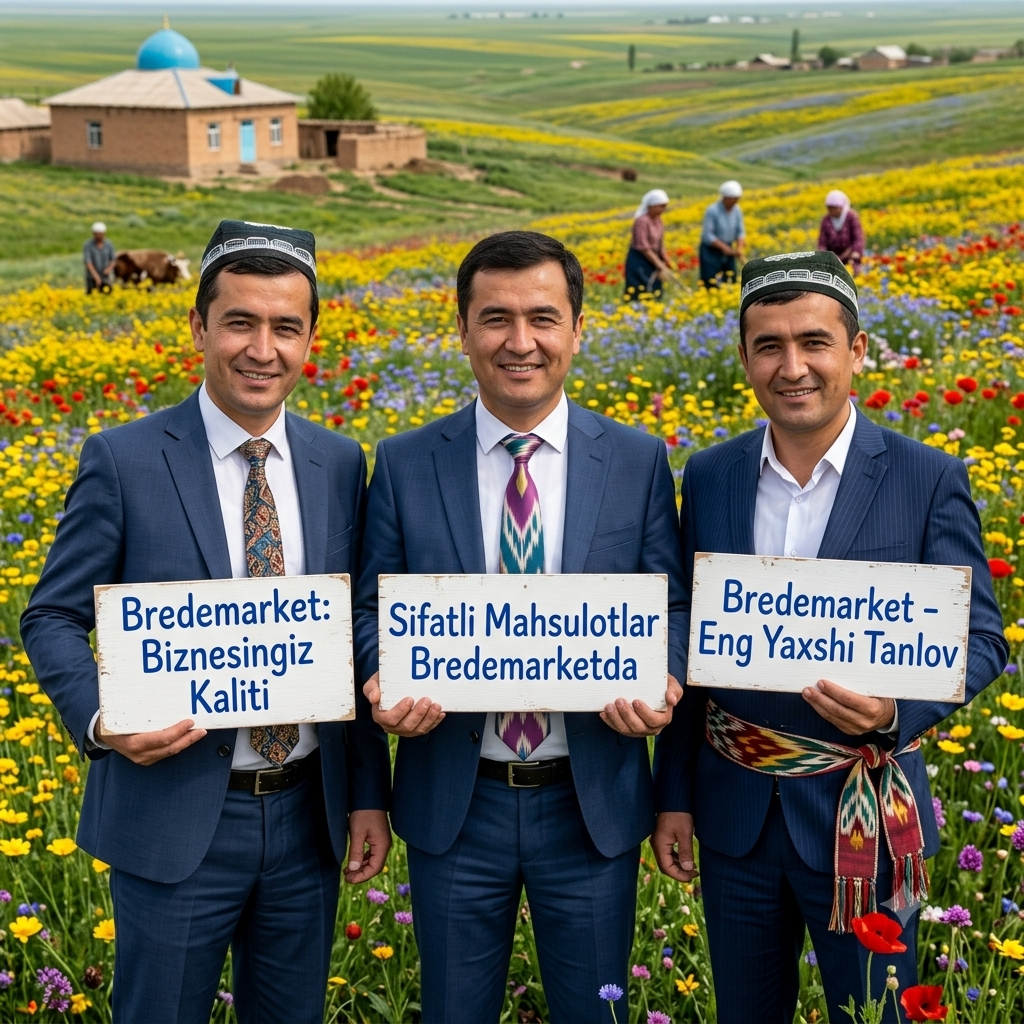
Because if I want Uzbeks to promote Bredemarket, it helps them if I (or more accurately my bot) create content.
Because I am the Uzbek sales enablement content marketing expert.
Muvaffaqiyat kaliti. Google Lyria. Public Domain.
What does it mean? Unless Gemini is lying to me, “The Key to Success.”
(Yor-yor-ey…) Bredemarket!
New horizons in the U.S. market,
Your brand will shine, blooming like flowers.
Strategic writing, powerful marketing,
A brand new targeting for your business.
The key to success, Bredemarket!
The key to your business, Bredemarket!
Gemini appears to be interpreting the prompt from a regional perspective. I don’t normally use “new horizons” and “blooming like flowers” to promote my services to Bay Area, San Diego, or New York firms.
White papers. My white papers have made the case for the superiority of my clients’ products and services.
Winning PROPOSAL Development
Proposal services (managing, writing, editing, other). My proposals have won business for Bredemarket clients and for my former employers.
Actionable ANALYSIS
Analysis services. My market, product, and competitive analyses for Bredemarket clients and former employers have not only gathered necessary information and insights, but have also suggested a path forward.
Content for tech marketers.You can fill out the Calendly form yourself. Click the image.
But because I am a product marketing expert (albeit in biometrics, not monetization), I have improved on Gladbach’s inferior suggestions.
Rather than arranging for Robin Leach-inspired “rich and famous” Ferrari/Rolex photo shoots (Stefan’s first point) and laboriously writing up an expensive course (his second point), I assigned the tasks to AI. This offers the added benefit of satisfying Stefan’s third point, losing all morals.
So here is my course, thanks to Google Gemini. But don’t tell anyone that.
IAM. Invest in me—I mean invest in yourself.Read the fine print.
Bob turned to Judy one day. “What we need is a product marketer, but not just any product marketer. We need a biometric product marketing expert. I know a guy-“
Judy cut him off. “Forget it. Any so-called expert is hampered by legacy. We need new thinking.”
As they used to say, you won’t believe what happened next!
All the features
Ron, their new hire, was a fast learner who listened to Judy for hours, soaking up everything she knew until Ron understood every feature perfectly.
Google Gemini.
Ron assembled his product marketing materials, clearly differentiating the superior technical advantages of his product. Bob then took the materials out on a sales call.
That afternoon Bob returned, dejected.
“The prospect threw the brochures in the trash.”
“Why?” Ron asked.
“They didn’t make sense and didn’t speak to their needs.”
None of the use cases
Ron belatedly realized that the materials didn’t address the benefits the prospect would realize from using Bob and Judy’s biometric solution. And the owners realized that Ron needed to understand the biometric market so that his materials resonated with customers.
Google Gemini.
So Ron studied the market carefully, spending a lot of time with cops and forensic experts before rewriting his brochures to infuse them with industry knowledge.
A well-prepared Bob flew out to meet his next prospect, a well-known sports team in Chicago.
And returned the next day, dejected again.
“They loved the first hour,” Bob reported, “although all the talk about investigative leads confused them. Then they asked about consent.”
Ron, fresh from police station booking rooms, was confused. “Who needs consent to take bionetrics?”
“Sports teams, banks, hotels, office buildings, hospitals, you name it,” Bob replied. “Especially in Illinois.”
Fumbling Towards Insolvency
Sarah McLachlan. “Found a Job” it’s NOT.
Maybe “insolvency” is harsh, but if a biometric firm doesn’t have the embedded knowledge to speak the language of its prospects and customers, the firm’s success will be limited. Immediate expertise is impossible.
“A Patient Hand.” Google Lyria. Public Domain.
Bob, Judy, and Ron may be fictional, but lack of biometric expertise happens in real life. I still remember the time I worked with a company that was bragging about its three-year old NIST FRTE facial recognition accuracy rankings. I gently explained that FRTE results change monthly, with better algorithms appearing all the time. Those old results were worthless.
And your product marketing will be worthless also, unless you understand the many products and many markets.
Bredemarket can help you speak the language of your biometric prospects. Talk to Bredemarket.
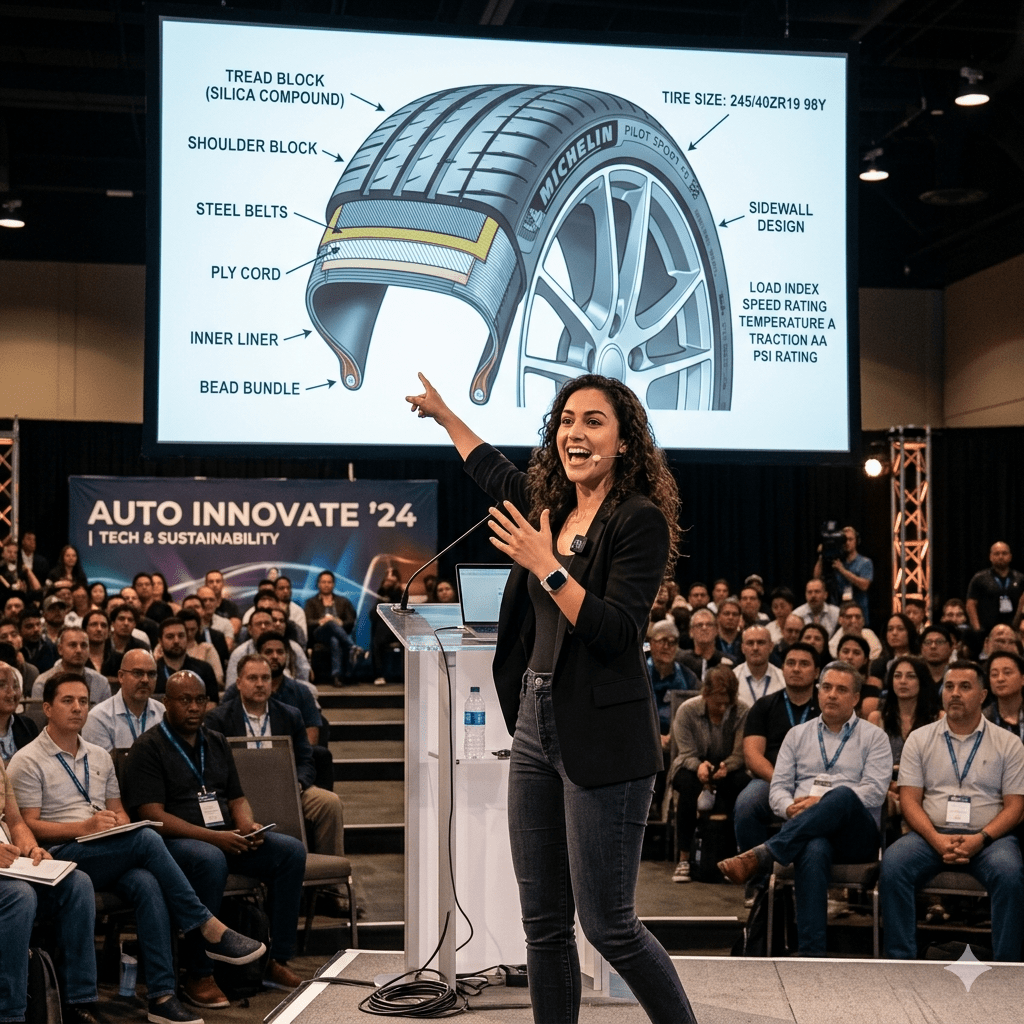
Because Bredemarket is dangerously close to becoming the tire product marketing expert, I wanted to share an excerpt from a May Tire Review article by David Sickels entitled “Are These Tire ‘Quick Fixes’ Worth It?”
“For repair shops, the value of tire quick fixes often depends on communication as much as the repair itself. Explaining what the repair addresses and what it does not address helps customers understand possible outcomes before the vehicle leaves the shop.”
Google Gemini.
This post is not only about tires. Explain the pros and cons of any alternative. Nothing is perfect.
“The Bitter Bargain.” Google Gemini/Lyria. Public Domain.
I simplified my social life a few months ago by no longer posting on Instagram. I don’t even have Instagram on my phone any more.
But Instagram Meta-relative Facebook is “nice” enough to inform me when I receive Instagam messages, as well as unsolicited Instagram message requests. Which I obvously can’t read on my phone (in part because I also removed Meta for Business).
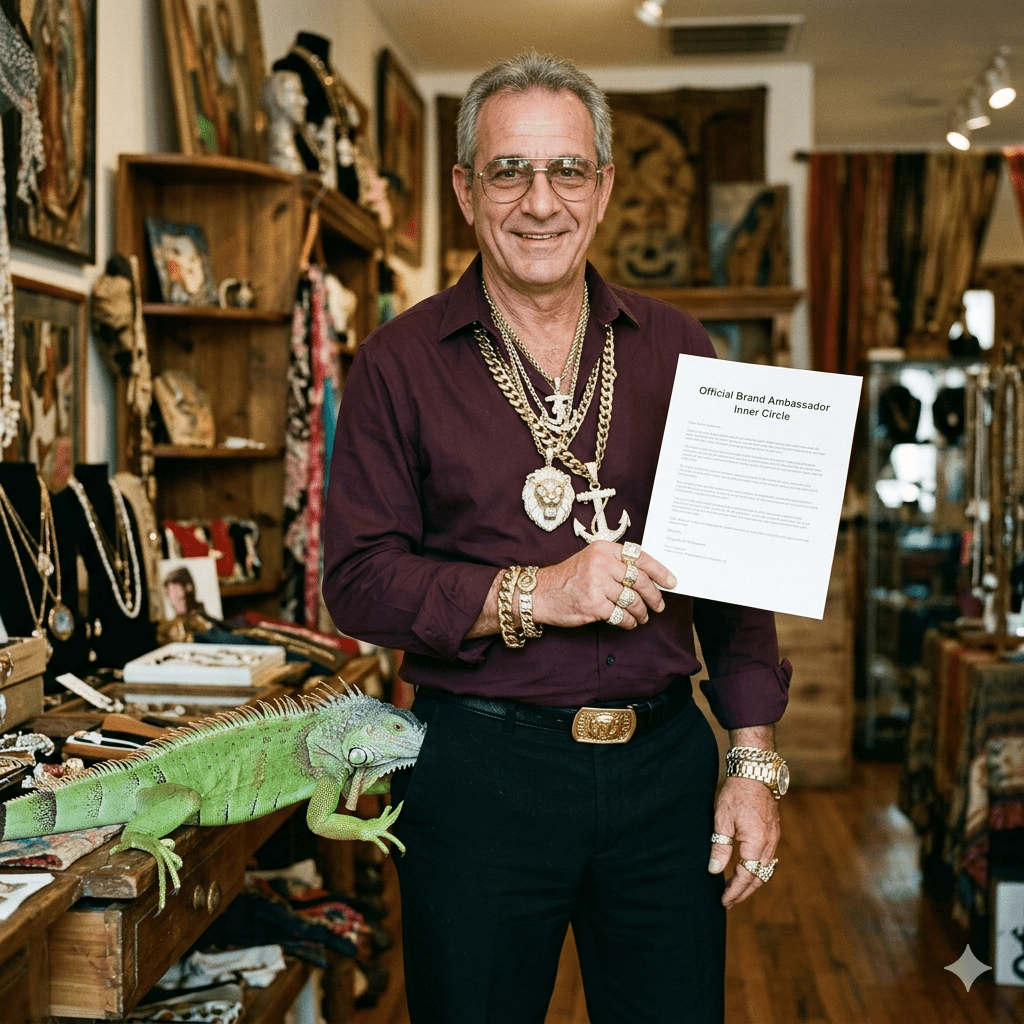
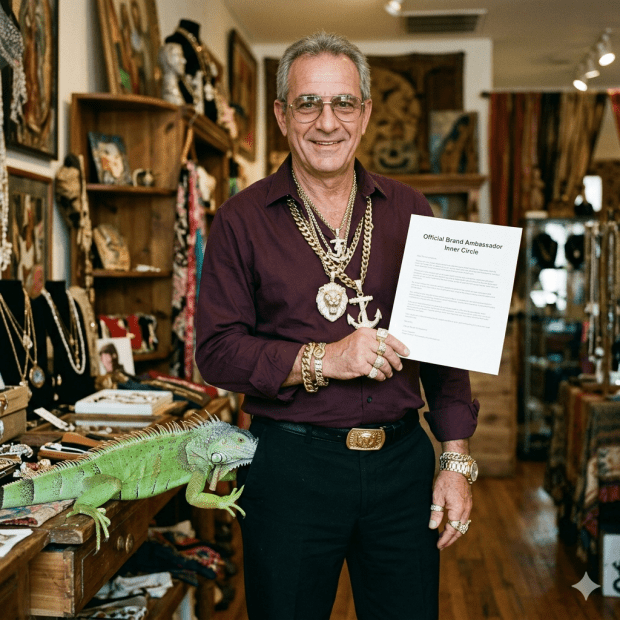
Joining the “brand ambassador” inner circle
So one day when I happened to be on my laptop, I brought up my Instagram account. I wanted to see the latest message request, reportedly from “Navin Nandra”…even though I already knew it was in a languge using the Cyrillic alphabet. And probably wouldn’t bring Bredemarkeet a ton of business.
So here’s what I had to do:
Go from my phone to my laptop.
Log in to Instagram.
Find my message requests.
Translate the message request that I received.
After translating, I was right in guessing that this was a waste of time. Here is how the message began:
“Good day! This is the brand manager for the clothing brand PRIME Wear
“I’m messaging you from a tech/alternative account—we use these to avoid getting blocked by Instagram Direct limits.
“We absolutely love your style and the content on your blog!
We would love to invite you to join our inner circle of PRIME brand ambassadors.”
Um, no. These “we love your style” messages are always amusing to me. Especially when account number one tells you to contact account number two. Because reasons.
Google Gemini.
Yeah, “ambassador.” My last name isn’t Jenner, and my look isn’t Jenner either.
Google Gemini.
The underlying scams
So I asked Google Gemini about the scam behind these amazing offers, because I suspected a scam. To please me, Google Gemini said that there are scams related to this. I could have fact-checked this on a live web page, but I had already wasted too much time on this.
Here’s one of Gemini’s reported scams:
You are told you have been “hand-picked” to represent the brand. They offer to send you jewelry, sunglasses, or clothing for “free” so you can take photos with it.
The Catch: They give you a discount code that brings the item’s cost to $0, but you have to pay $10 to $15 for shipping.
The Reality: The brand is usually a front for a dropshipping operation. They buy the items from bulk wholesale sites for less than $1. Your “shipping fee” actually covers the cost of the item and gives the scammer a profit.
The Outcome: You paid full retail price (or more) for a low-quality, cheap item, while giving them free advertising.
Bad enough, but it could get a lot worse.
Some requests are much more malicious. A “talent scout” or “brand manager” will message you offering high-paying sponsorships ($500+ per post), even if you only have a few hundred followers.
The Catch: To “set up the partnership” or “verify your account,” they send you a link to a portal or ask for your 2FA (Two-Factor Authentication) code.
The Reality: The link leads to a fake Instagram login page designed to harvest your password. If you give them a 2FA code, they will immediately change the email associated with your account, lock you out, and hold your account hostage or use it to scam your friends.
So “Navin Nandra” is now blocked. And I can avoid Instagram again for a while.
I’ve talked endlessly about product marketing with a customer focus. For a reason. If your product marketing makes your prospects indifferent, or even worse alienates them, you don’t make money.
“J.C. Penney brought in a bold new CEO. Ron Johnson had already created Apple Store, a chain of physical stores where people flocked to shop.”
I will state the obvious: the clientele at an Apple Store differs ever-so-slightly from J. C. Penney customers. But to be fair, Johnson had also worked at Target.
Yet Johnson’s first move was more suited to people whose idea of a bar included one preceded by the word “genius.”
“And Johnson had a plan for J.C. Penney: Tell customers they don’t have to spend time anymore clipping coupons or waiting for sales to happen. Instead, the store would offer fair prices on its merchandise every day.”
Logically it sounds brilliant. Customers can save time and money simultaneously.
The only problem is that the customers LIKED clipping coupons and timing purchases to sales.
And when revenue decreased, J. C. Penney…BLAMED THEIR OWN CUSTOMERS. In a way that got attention.
“’He sort of said sales were akin to drugs, and he was trying hard and to wean customers off drugs,’ says retail analyst Rafi Mohammed.”
Or, as one of those long Facebook posts over-exaggerated it, Ron Johnson called his own customers drug addicts.
J. C. Penney not only walked back the changes, but also fired Johnson sixteen months later.
It’s good to attract new customers…but don’t alienate existing ones.
Now Bredemarket normally plays in the B2G and B2B space rather than B2C, but the lesson applies here also. If you need someone to help you speak to your prospects, let’s talk.
And by the way, there are often third acts in business. Johnson co-founded Enjoy, an on-demand mobile retail store. It did well for years until it jumped in on the SPAC craze and filed for bankruptcy. The remnants survive today as part of Asurion.
J. C. Penney also survives today, thanks to a post-COVID, post-bankruptcy rescue by mall operators Simon Property Group and Brookfield Asset Management.

















 Bredemarket