When you don’t connect.
A pivotal point in “Move Now.”

Identity/biometrics/technology marketing and writing services

When you don’t connect.
A pivotal point in “Move Now.”

They don’t go where they’re not wanted.

It’s a secret.
Sometimes.

Jobseekers, including myself, have endured endless debates about the pros and cons of LinkedIn’s “Open to Work” green banner. While these debates seem to have died down, there are still arguments about whether the green banner does more harm than good.
But this is not confined to jobseekers.
You don’t walk up to my office and request a retainer or hourly services or small projects. You contact me by various means and we talk, you in your office and me in mine. Even the local customers aren’t going to drop by, especially since my City of Ontario business license prohibits me from meeting customers at my home.
Anyway, all these cold callers are NOT part of Bredemarket’s target audience.
And the myriad of Google Business Listing advisors are just one of the types of people who have no interest in buying my services.
So I create Bredemarket’s content to attract identity, biometric, and technology marketing professionals. Two recent examples:
Oh, and I also create content for wildebeest fans.

Some of you may have already read my shorter books, including “Seven Questions Your Content Creator Should Ask You.” They’re short, and they’re free.
Last December I started writing something more comprehensive, and long enough to sell. If I price each copy at $100,000 apiece and sell 25 of them, I can start thinking about retirement.
Despite the (completely realistic) financial incentive, I dropped the project and didn’t pick it back up again until this month. I’m not ready to announce it yet, but the very fact that I’m talking about it may give me the impetus to finish it.
I just uploaded the latest draft to Google Gemini, both to write a 100 word promotional blurb (which I may or may not use or adapt), and to write two book reviews: one positive, one negative.
Again without giving away too much about the book, here are two excerpts from the negative review.
“Author John E. Bredehoft spends significant time on self-promotion and anecdotal stories, such as his hypothetical attempt to access Donald Trump’s medical records, which may distract readers seeking deep technical data.”
Here’s the second:
“While the writing is accessible, those looking for a dense, scholarly analysis of biometric algorithms might find the conversational tone and frequent “investigative lead” reminders a bit repetitive.”
Hey, there weren’t THAT many…
More to come.
Six identity factors. One Bredemarket ebook. Total identity protection. Purchase “Proving Humanity: The Six Factors of Identity Verification and Authentication.”

Have you ever run into an old friend you haven’t seen in years? Both of you say “we should get together.” But you don’t.
Now assume it’s not friendship but a seller/prospect relationship that never moves down the funnel to conversion.
Jan McInnis sells a service, comedy. And how do comedians market their services? By performing. The comedian performs at one venue, and someone from another venue sees them and books them.

McInnis was performing in Michigan when she was spotted by a big-time manager (“one of her clients is currently selling out Madison Square Garden”) who saw Jan’s five-minute set. Afterwards the manager approached Jan and said the magic words:
“You were great.”
Then the manager’s office called and requested a meeting, asking McInnis to bring writing samples. Now a meeting itself is no assurance of getting a job, but it’s a possible step toward getting one. So Jan prepared for that meeting, spending her Thanksgiving polishing up her writing samples.
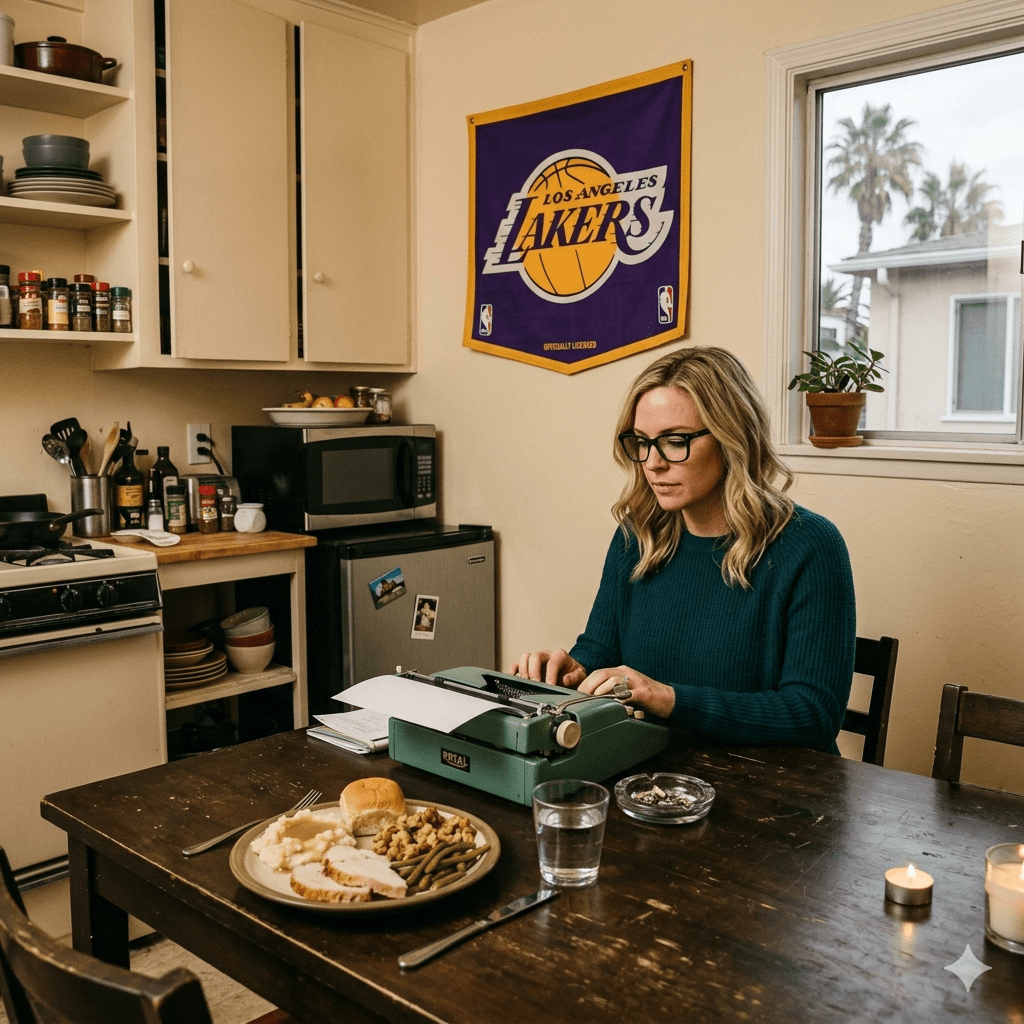
But…
“The next day, her office called to postpone the meeting.”
Lather, rinse, repeat. The manager’s office would schedule a meeting, then postpone it. In the end, the manager never met with McInnis, who pivoted away from the comedy clubs and focused on corporate speaking engagements as “The Work Lady.”
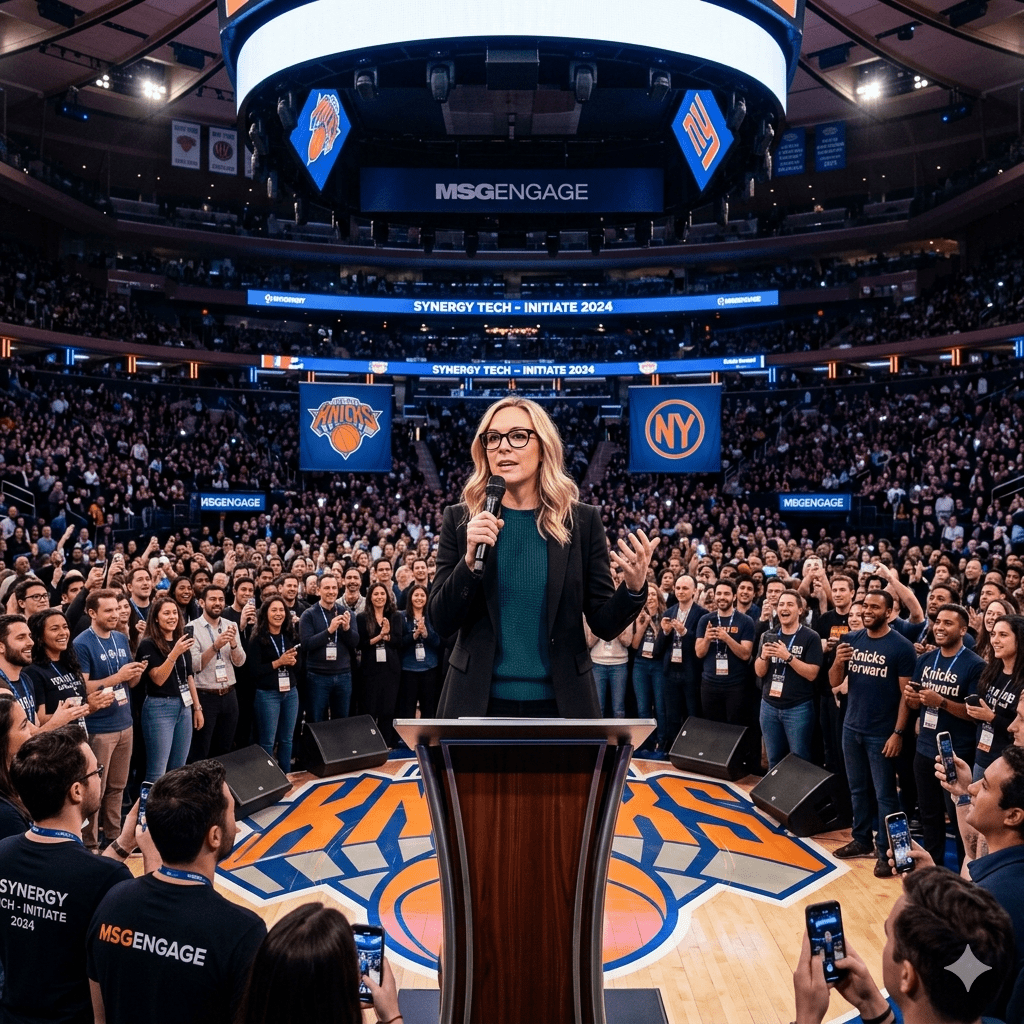
And who knows? Maybe some huge tech company will ask her to headlines a gigantic corporate event at Madison Square Garden.
But no rush on writing Knicks jokes yet.

I recently shared an NP Digital observation on velocity, so now let me share one from Marcia Riner.
“In fast-moving markets, speed of execution beats perfect strategy almost every time. Businesses that test ideas quickly, implement improvements, and make decisions without weeks of deliberation create momentum. That momentum compounds into growth, visibility, and opportunity.”
Bredemarket’s processes can—with your cooperation—result in rapid delivery of prospect-focused content.
So let’s talk.
Or you can take a few seconds to learn about the questions I ask to speed your content delivery.
And the services I provide.
Basil Hatto of NP (Neil Patel) Digital recently made the point that increased sales velocity reduces costs to the selling company, since the prospects reach decisions more quickly.
So how can a business like yours, or a business like Bredemarket, increase sales velocity?
Let’s discuss how Bredemarket’s marketing and writing services can help your content, proposal, and analysis needs.

Many companies, Bredemarket included, have benefited from the efforts of evangelists. But don’t take those efforts for granted.
I recently said good-bye to a former Bredemarket evangelist who became silent and indifferent over time. I positively thanked them for their past support, carefully avoiding the topic of why and how that support ended.
(Maybe I should have asked, but I doubt I would have received an answer.)
And I remain thankful for the Bredemarket evangelists who are still there.

Sales involves people who say no…usually many more than the people who say yes.
To keep moving forward in business (and elsewhere) and to survive the rejections, you have to distance yourself from the naysayers and focus on those who say yes.

 Bredemarket