Bredemarket writes for biometric clients.
Content, proposal, analysis.
More information: https://bredemarket.com/cpa/

Identity/biometrics/technology marketing and writing services

Bredemarket writes for biometric clients.
Content, proposal, analysis.
More information: https://bredemarket.com/cpa/

It all started with “Know Your Customer,” a shorthand phrase used by financial institutions and related entities who need to know who their customers are.
But then various governments, industries, and entities got into the act with their own variants, such as “Know Your Business.”
I was curious about how many of these “know your” variants I’ve discussed in the Bredemarket blog. Here’s what I found:
I’m sure I’ll come up with some others.

On LinkedIn, I was just discussing the difference between a controlled study and a real-world test. Think of a NIST test vs. a benchmark.
Then I started talking about some of the post-contract signature tests in the automated biometric identification system world, including factory acceptance tests and site acceptance tests.
These tests are not unique to ABIS. Healthcare (the other biometric) conducts FAT and SAT also, as Powder Systems notes.
“When manufacturing complex machinery in industries such as pharmaceuticals or fine chemicals, extensive equipment testing must be carried out before commissioning.
“It requires thorough functional, performance, and safety tests of intricate systems. These may comprise many components and interdependencies. Challenging though it may be, these must be systematically assessed before they’re put into operation. This approach is broadly known as acceptance testing.
“There are many forms of acceptance testing. Two closely related approaches that often come in for confusion are Factory Acceptance Testing (FAT) and Site Acceptance Testing (SAT). Both are critical stages in the verification and validation of equipment and systems within industrial and manufacturing contexts. However, they differ significantly in terms of location, timing, purpose, scope, participants, outcomes, and testing environment.”
You should read the entire article to learn about the significant differences between the two test types. But let me highlight one point:
“Factory acceptance testing typically involves a more rigorous and comprehensive testing process. This testing procedure includes the detailed verification of system components to ensure they function correctly and meet design specifications.”
This is based on the fact that it’s less costly to fix problems early at the factory than to fix them later out in the field.
Whether you’re testing pharmaceutical machinery or ABIS, both factory and site acceptance tests are absolutely critical. Skipping one of the two tests does not save costs.

I found a picture of a suited IBM worker from the 20th century who reminded me of Kraftwerk. So I created an Instagram reel.
Note the prominence of the word THINK. There’s a story behind that, of course, that is older than IBM itself. Thomas Watson (Sr.) first used the word at a 1911 sales conference of National Cash Register.
“The trouble with every one of us is that we don’t think enough. We don’t get paid for working with our feet — we get paid for working with our heads.”
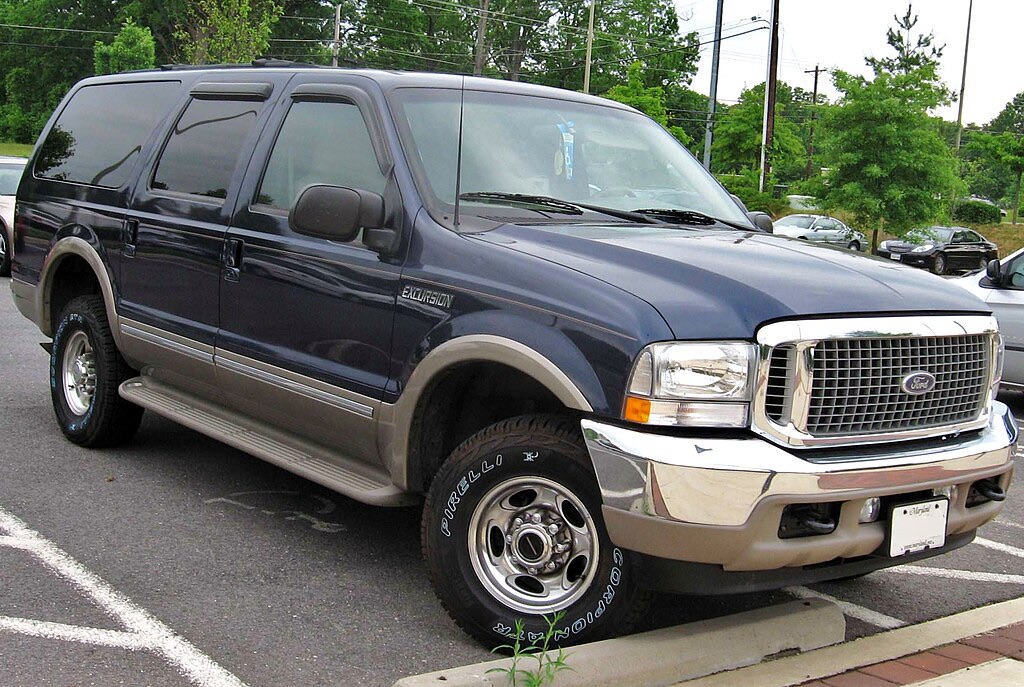
(2002 Ford Excursion image public domain)
I’ve talked about non-person entities (NPEs) before, but usually about a computer, or a file (such as a top secret file).
What about sport utility vehicles (SUVs)?
Or houses?
But I’m going to concentrate on sport utility vehicles here.
Because of their expense, certain NPEs such as vehicles and real estate are associated with title, or proof of ownership.
Just because I have physical possession of a car or house doesn’t mean that I’m the lawful owner. Maybe I am house sitting. Or renting a car. Or I am a squatter or thief. When it comes to legal (and financial) title, possession is NOT 9/10ths of the law. Otherwise, Hilton and Hertz would be out of business.
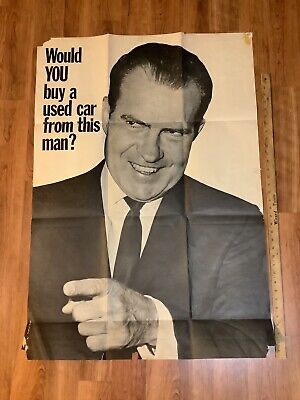
But what happens when the physical NPE and the title diverge? Two victims of now-convicted car salesman Ronald Johnson found out the hard way, according to KTTN:
“In 2022, Johnson orchestrated a scheme that led to a Pennsylvania buyer paying $41,750 for a 2002 Ford Excursion that he had already sold to a South Dakota buyer for $45,000. The South Dakota buyer received the title, while the Pennsylvania buyer was given the SUV, leaving the latter unable to register the vehicle lawfully.”
But how do you verify that the title is real? For vehicles:
“The title should have a watermark, a raised seal, a unique vehicle identification number, a unique title number, and the owner’s information.”
And as for the owner, my regular readers know how to verify THAT.
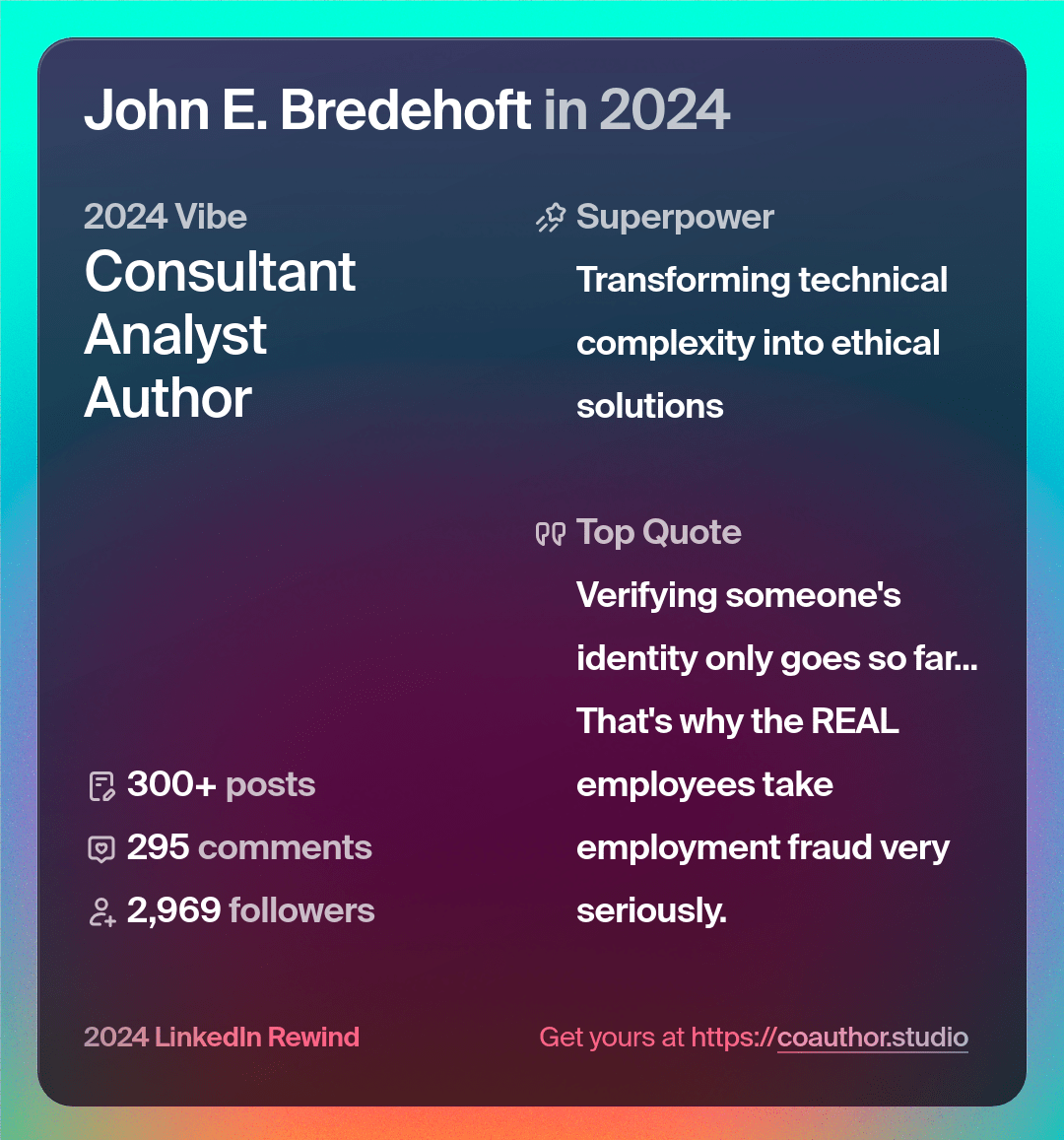
So I checked out Coauthor’s me-too LinkedIn-themed copycat of Spotify Wrapped, like many of you did. Here’s the (unedited) post it wrote for me—not too bad:
= = =
Here’s my 2024 LinkedIn Rewind, by Coauthor.studio:
After 30 years in identity and biometrics, 2024 showed me that verification only goes so far. The real challenge isn’t just confirming who someone is – it’s understanding what they might do.
From employment fraudsters with verified credentials to healthcare imposters with stolen birthdates, this year proved that identity verification alone can’t prevent deception. But it also showed how combining technical expertise with human insight can help protect organizations and individuals.
Key observations from 2024:
Three posts that captured these themes:
“Employment Fraud and Identity Verification”
On why verifying someone’s identity only goes so far
https://www.linkedin.com/feed/update/urn:li:activity:7268454996734545921/
“Rich Powaza’s Disappearance”
Real consequences of fraudulent behavior
https://www.linkedin.com/feed/update/urn:li:activity:7253092940393193472/
“Get Off My Lawn”
Changing workplace norms and responsibilities
https://www.linkedin.com/feed/update/urn:li:activity:7262320817898758145/
Through Bredemarket, I delivered over 100 content and analysis projects helping organizations navigate these challenges. I also conducted research on employment fraud tactics and moderated communities helping others avoid scams.
Looking ahead: 2025 will require even more sophisticated approaches to identity verification and fraud prevention. The fraudsters aren’t going away – but neither am I. I’ll continue helping organizations implement effective identity strategies while advocating for ethical AI use and employment practices.
To the wildebeests following along: remember that verification is just the start. The real value comes from understanding intent and building trust.
#fraud #identity #security #productmarketing
—
Get your 2024 LinkedIn Rewind! Go to coauthor.studio
Beneficial Ownership Information alert. From Proskauer:
“On December 23, 2024, the Fifth Circuit of the United States Court of Appeals (the “Fifth Circuit”) issued an order that has the effect of reinstituting the deadlines under the Corporate Transparency Act (the (“CTA”)….
“The CTA requires a range of entities, primarily smaller, otherwise unregulated companies, to file a report with the U.S. Department of the Treasury’s Financial Crimes Enforcement Network (“FinCEN”) identifying the entities’ beneficial owners—the persons who ultimately own or control the company—and provide similar identifying information about the persons who formed the entity.
“FinCEN has recognized that the timing of the order lifting the injunction may be particularly burdensome and has extended the reporting deadlines. Accordingly, reporting companies created prior to January 1, 2024, that are not eligible for an exemption, are required to file beneficial ownership reports by January 13, 2025 (and not January 1, 2025).”

Another KYx acronym from the educational identity realm: Know Your Teacher. A South Carolina school district didn’t:
“On Thursday, the Laurens County School District 55 Superintendent Jody Penland announced a teacher at Waterloo Elementary will “no longer serve” as a teacher at the school.”
Why? Because she wasn’t who she said she was.
“School officials discovered Bryia Lattimore Scott of Simpsonville was impersonating Viola Church in order to gain employment at Waterloo Elementary.”
Scott was arrested, and bond was set at $5,000.

If you look at the evidence, it may appear that financial fraud is being committed by kids. But that’s not accurate; it’s being committed by fraudsters who are impersonating kids, according to the National News.
“”Fraudsters are targeting children’s identities because they can exploit the information for an extended period,” said Rob Woods, director of fraud and identity for LexisNexis Risk Solutions….
“With criminals well aware of the likelihood of the child’s identity theft going undetected, Mr Woods said LexisNexis is seeing criminals opening bank accounts, applying for loans and even committing other financial crimes with the fake identity.”
So perhaps you had better check Junior’s credit rating.

(Silence image Google Gemini)
If you’re a Chief Marketing Officer at an identity/biometric company, maybe your company has exercised its right to remain silent.
Saying nothing to its prospects or clients.
You know this isn’t good.
As it turns out, I have a solution that guarantees that your company will say something meaningful.
But I’m not going to bother to share it today.
What’s the rush?
I can wait until next week.
Or next year.
What could go wrong?
Hey, it doesn’t feel good when Bredemarket doesn’t share helpful information with YOU.
Now ask how your prospects feel when YOU don’t share helpful information with them…and your competitors do.
Stay tuned.

 Bredemarket