You may have noticed a sharp increase in reels in the Bredemarket blog and socials—reels that incorporate both Google Gemini AI images and Google Lyria AI audio.
None of which can be copyrighted and is therefore public domain.
So for all I know Adobe and Oracle may share videos with Bredemarket-prompted audio content. Though I doubt it.
And more Bredemarket reels are coming.
On proper spacing
So why and how do I create these reels?
What usually happens is that I get a wild idea, create the images, create the audio, and put it together in Canva.
Sometimes I share the resulting reel immediately, both to the Bredemarket blog and to selected social channels. See “When the Light Bends.”
Other times I schedule the share, usually for an early morning (Pacific time) weekday share. A reel posted at 9pm Saturday evening probably isn’t going to do that well.
So I try to space them out.
What’s coming
If I stick to the schedule, you will see the following Bredemarket reels over the next week.
Monday morning CPA reel, June 22
Google Gemini.
I’ve been talking about Bredemarket’s “CPA” services for years now, and I created a new reel on the topic.
Lyria songs: The Annual Audit (the gentle song that begins and ends the reel), The Marketing Mandate (the harsh one in the middle).
Oh, and I goofed when scheduling this reel on my socials and accidentally published the reel immediately on one of my socials. So it’s already out there. Oops.
Wednesday morning proposal reel, June 24
Google Gemini.
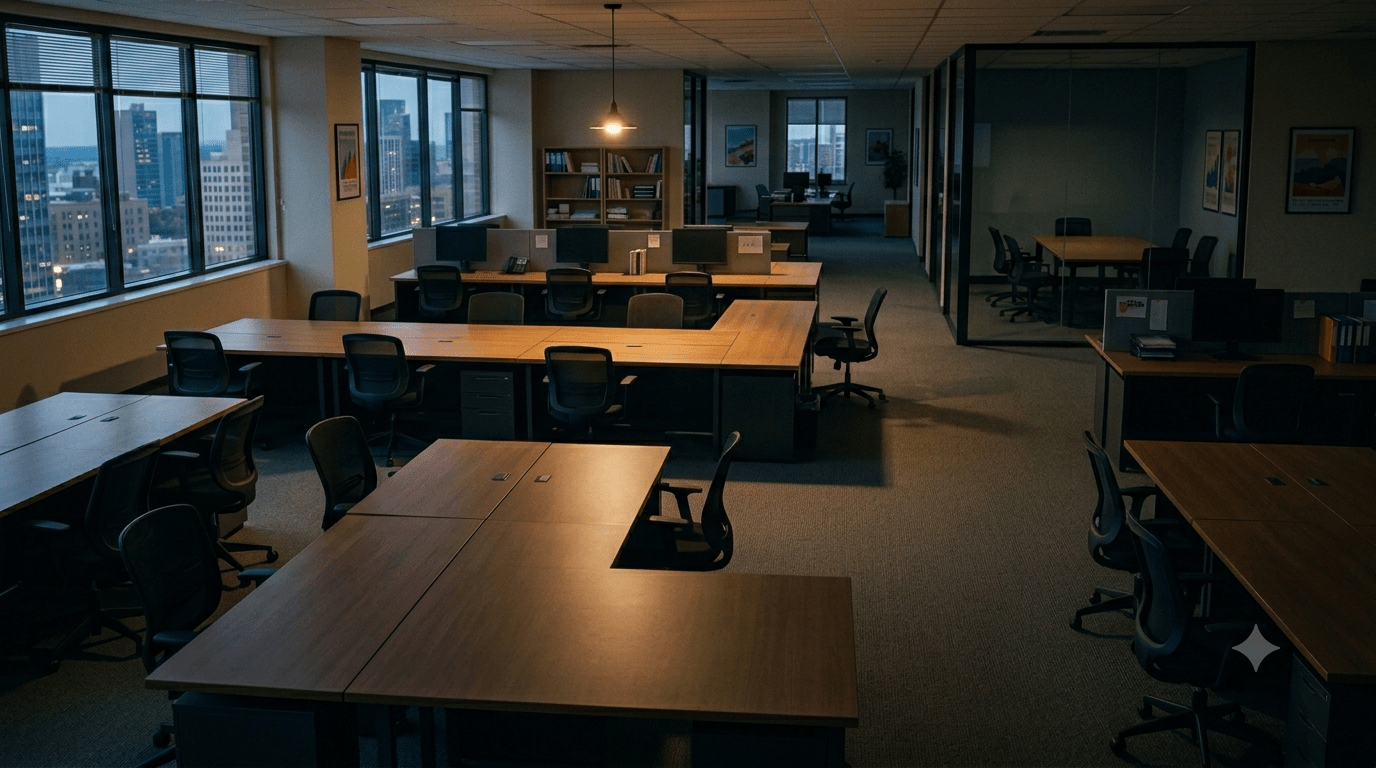
This reel looks back to the times when I would work on proposals late at night. These days I’m more likely to work early in the morning, but sometimes late at night and early in the morning are the same thing.
Lyria song: Late Shift Solitude.
Friday morning pivot reel, June 26
Google Gemini.
Then we will end the week with my reel on pivoting to a new way when the old way doesn’t work.
Lyria songs: Swivel and Solve (first half), Liturgy of the Falling Rain (second half).
And if you think that “Swivel and Solve” is similar to my earlier “Forge Your Future,” the two songs have similar prompts.
And yes, I’m marrying the audio used in multiple old videos (“Liturgy of the Falling Rain”) with some images from Wednesday’s proposal video. When you repurpose, it’s always good to mix and match.
By the way, the reason that there’s a “B” version of this reel is because I screwed up the credits on the first version…something I didn’t discover until I started writing THIS post. (And then I stopped writing this post for a half hour while uploading the “B” version to multiple sites…luckily, before anything was published.)
Monday morning SWOT reel, June 29
Google Gemini.
Will I ever get tired of repurposing “the matrix”?
Apparently not. But this time I’m not sharing a short, but a longer three-minute landscape video.
Second, I am NOT going to preview any of these reels (except for the one I previewed by accident) until the appropriate time.
Third, if this is your first visit to the Bredemarket blog and you haven’t seen ANY of my reels, here is one that I have already shared previously: the aforementioned “Forge Your Future.”
Forge Your Future. “Hammer and Flame” from Google Lyria, Public Domain.













 Bredemarket