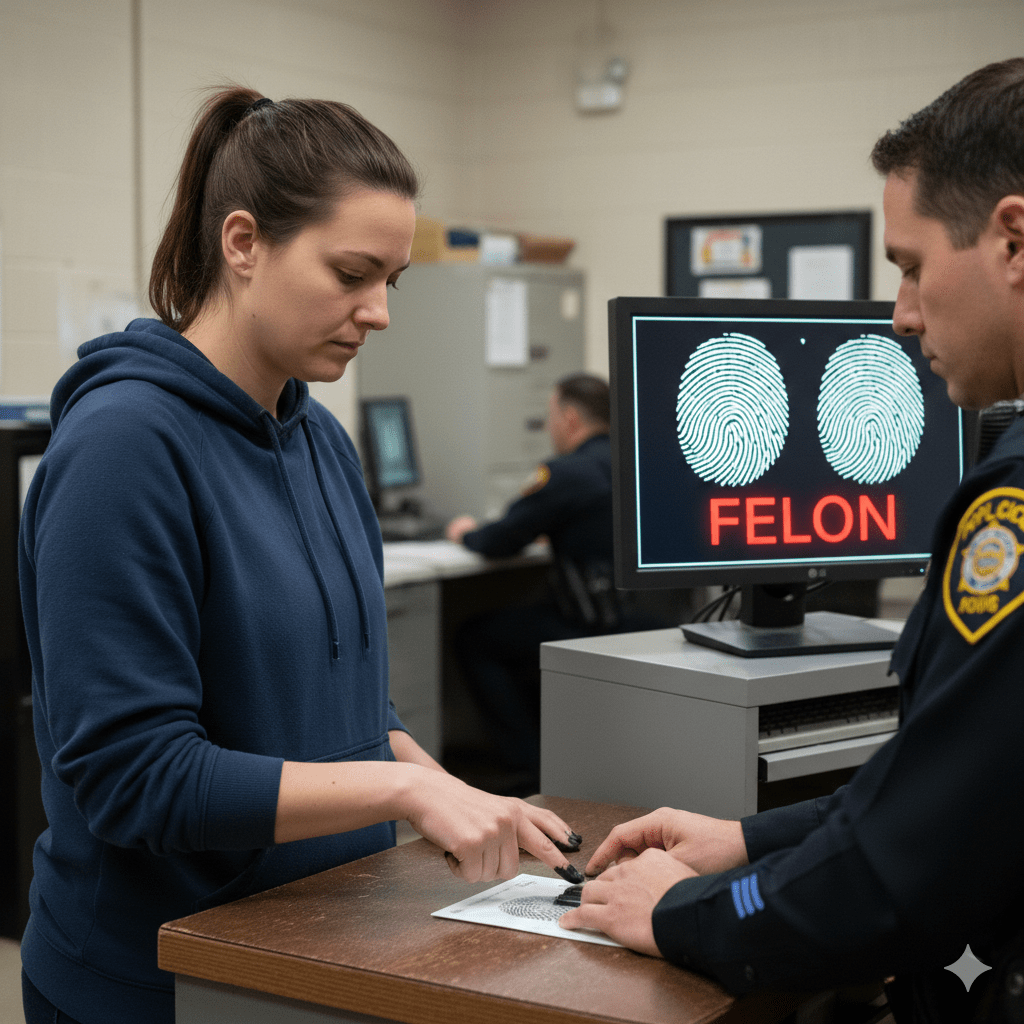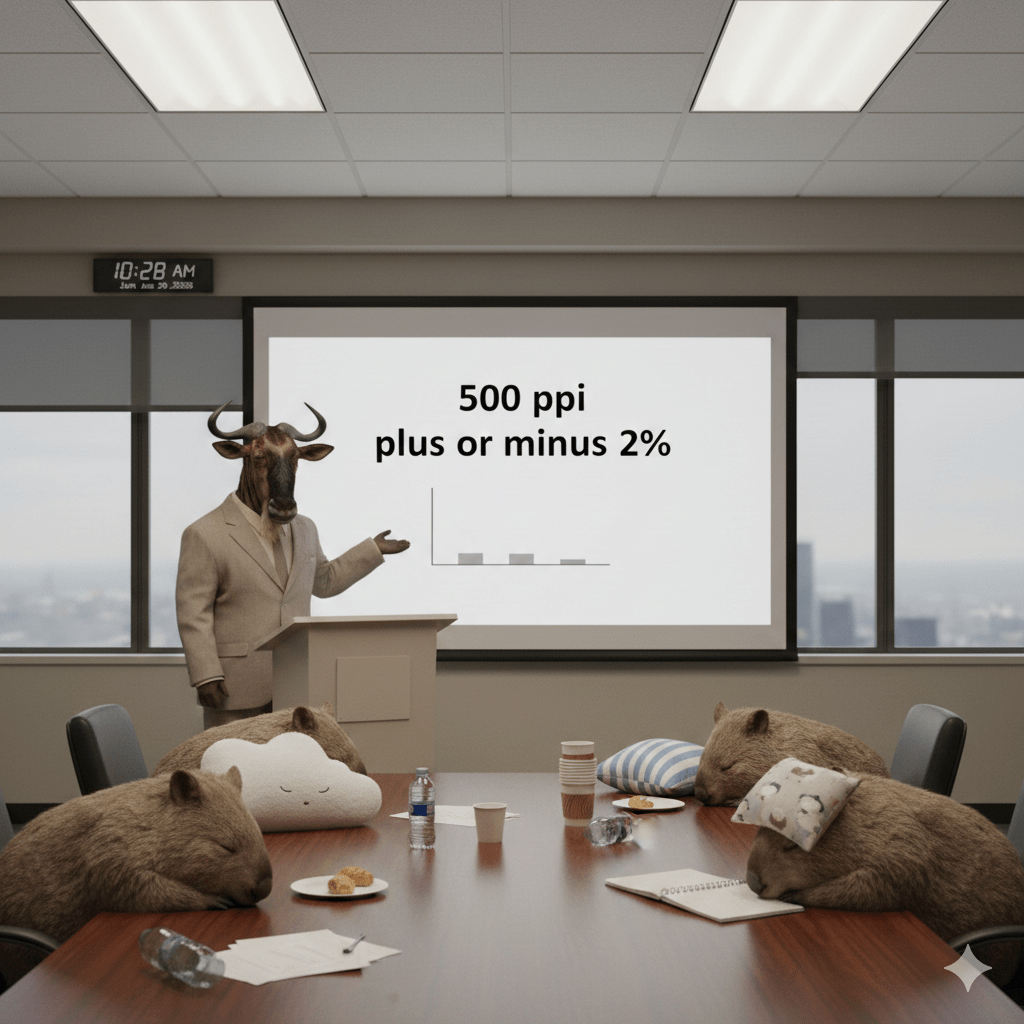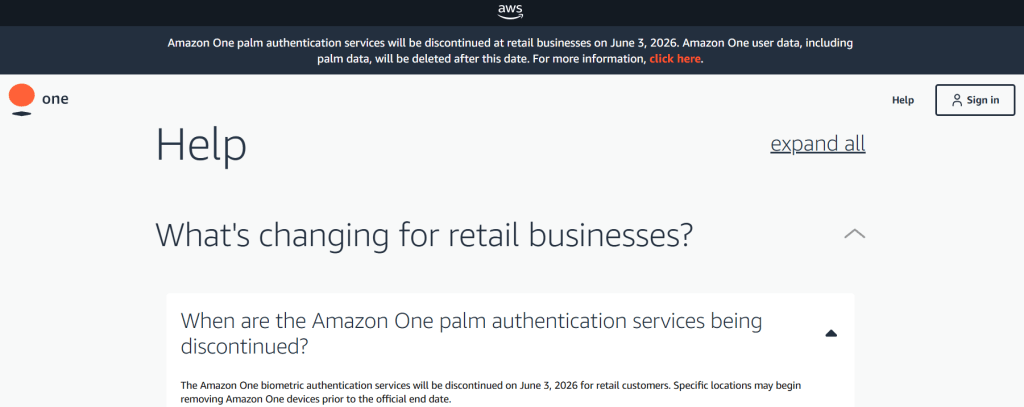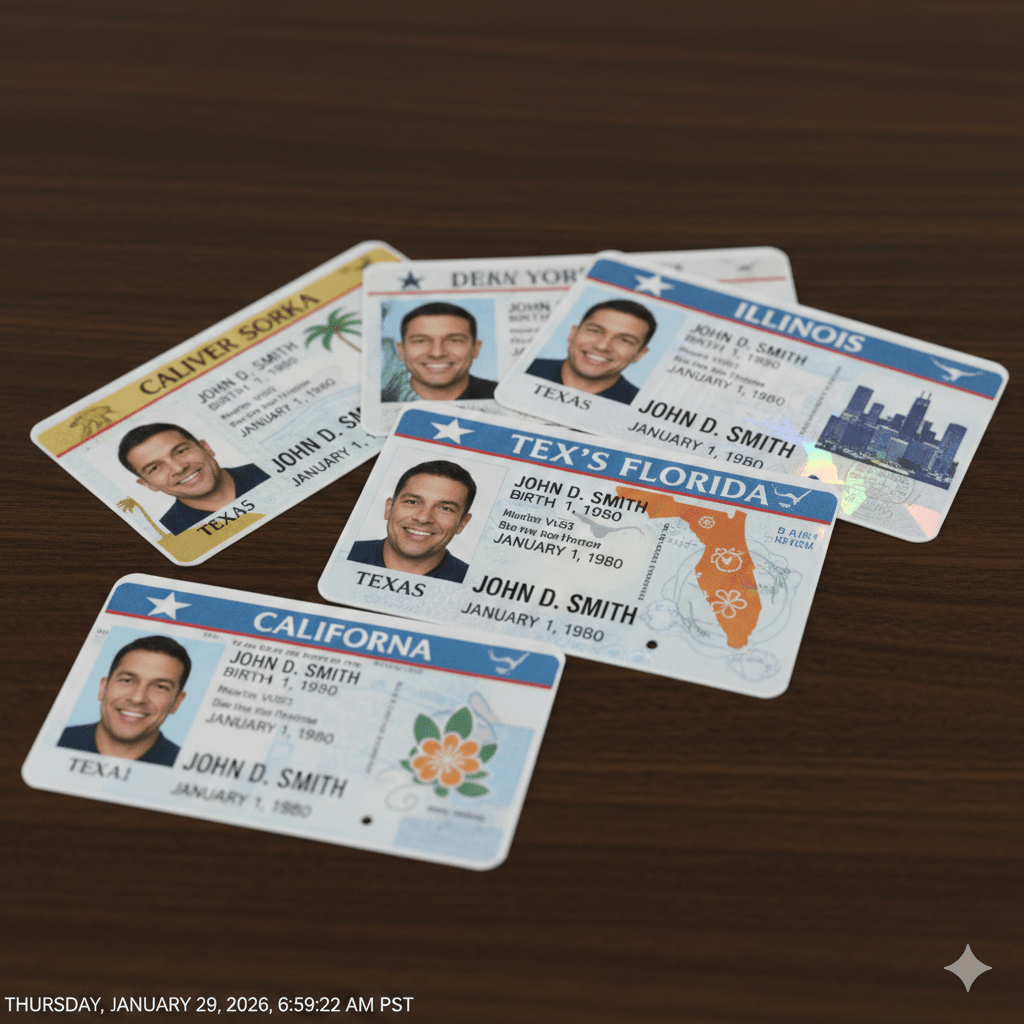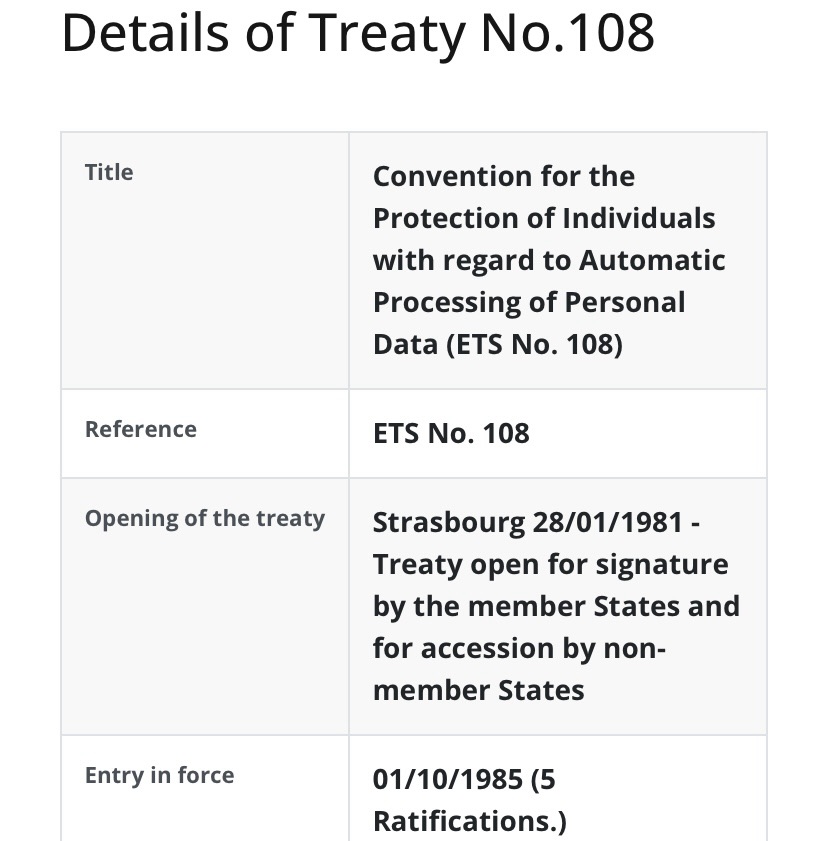
For background, see https://bredemarket.com/2025/10/01/messing-up-meta-data-via-the-meta-challenge/
Realtor Renee Fyfe on Cask ‘n Cleaver
By Renee Fyfe, Realtor. She knows her territory.
“What really sets Cask ‘n Cleaver apart, though, is the trifecta every great restaurant strives for: great food, great staff, and great prices.”
Read her entire post, “A Rancho Cucamonga Classic: The Secret of Cask ‘n Cleaver”: https://reneefyferealtor.com/a-rancho-cucamonga-classic-the-secret-of-cask-n-cleaver/
And if you need a nearby home to return to after dinner, Fyfe (whom I’ve known for decades) has a website here: https://reneefyferealtor.com/
The Semantics of “Likeness” vs. “Deepfake”
A quote from YK Hong, from the post at: https://www.instagram.com/p/DPWAy2mEoRF/
“My current recommendation is strongly against uploading your biometrics to OpenAl’s new social feed app, Sora (currently in early release).
“Sora’s Cameo option has the user upload their own biometrics to create voice/video Deepfakes of themselves. The user can also set their preferences to allow others to create Deepfakes of each other, too.
“This is a privacy and security nightmare.”

As I read this, one thing hit me: the intentional use of the word “deepfake,” with its negative connotations.
I had the sneaking suspicion that the descriptions of Cameo didn’t use the word “deepfake” to describe the feature.
And when I read https://help.openai.com/en/articles/12435986-generating-content-with-cameos I discovered I was right. OpenAI calls it a “likeness” or a “character” or…a cameo.
“Cameos are reusable “characters” built from a short video-and-audio capture of you. They let you appear in Sora videos, made by you or by specific people you approve, using a realistic version of your likeness and voice. When you create a cameo, you choose who can use it (e.g., only you, people you approve, or broader access).”

The entire episode shows the power of words. If you substitute a positive word such as “likeness” for a negative word such as “deepfake”—or vice versa—you exercise the power of to color the entire conversation.
Another example from many years ago was an ad from the sugar lobby which intentionally denigrated the “artificial” competitors to all natural sugar. Very effective for the time, in which the old promise of better living through chemicals was regarded as horror.

Remember this in your writing.
Or I can remember it for you if Bredemarket writes for you. Talk to me: https://bredemarket.com/mark/
Repurposing is the Cure for Outdated Content
Repurposing can be found all over the place. Let’s look at the history of the Cure song “A Forest.”
Somehow I escaped hearing “A Forest” until decades after it was released, when the song was used on the old Fox Soccer Channel. This song was originally released in 1980, very early in the Cure’s career, and was a goth-yet-driving track that fit in with the times. And Robert Smith had not yet become Edward Scissorhands.
But then another Robert, Robert Palmer, would inject himself into the story.
Palmer had not yet become The Mannequin Guy (that would come four years later), but he was still pretty big. Big enough to rank higher than the Cure in the lineup for the Rock Werchter Festival on July 5, 1981. And when you’re a supporting act like the Cure was on that day, things don’t always go your way.
“The day before in Torhout the band had been able to play 15 songs, in Werchter they would only play 13 songs skipping “Three Imaginary Boys” and “Faith”. The Cure, consisting of Robert Smith, Simon Gallup and Laurence Tolhurst, was scheduled to play just before Robert Palmer and while they were playing, they were told to cut their set short by Robert Palmer’s managers.”
So the Cure was only allowed to play one more song. Robert Smith announced to the crowd:
“This is the final song because we’re not allowed to carry on anymore, cause everybody want’s to see Robert Palmer I think. It’s called ‘A Forest.'”
Cue malicious compliance.
The band starts playing the slow introduction to the song…with a few extra flourishes that stretched the intro out a bit.
After a minute-long introduction, the song finally picks up at the normal tempo. Well, with a little more of an instrumental introduction before Smith starts singing.
He sings the verses of the song, through the final words “again and again and again and again and again.” And five minutes in, it appears that the Cure has “a bad case of loving” the song, because they keep on playing.
And playing.
And playing.
With less of a drum beat and bass line as Smith explores every chord, and every note, on his guitar.
Six and a half minutes in, as you start to see backstage activity, Smith begins to sing new lyrics, “parting is such sweet sorrow” among them.
But the Cure didn’t part. They kept on playing. And at seven and a half minutes in, they picked up the pace again.
By the 8 minute mark, Smith is channeling his inner Hendrix/Townshend as the band finally concludes the song, “encouraged” by Robert Palmer’s roadies.
You can see the performance for yourself. Language warning at the end.
This sudden, provoked improvisation permanently affected future live performances of “A Forest.” Here’s a 1992 example, in which the song stretched for over 13 minutes. Minute-long slow intro, four-minute song proper, and a coda as long as the entire Werchter performance.
So feel free to repurpose YOUR content, longer or shorter as you wish. The original piece may resonate with some, while the newer pieces may resonate with others.
If the Fox Soccer Channel had played “A Forest” more often, maybe it would still be around today.
Passive Liveness Detection
Remember my reel that simulated active liveness detection?
Well, perhaps I should give equal time to passive liveness detection.

Done.
Messing Up “Meta Data” via the Meta Challenge
I confess that Meta AI’s cluelessness often amuses me. I need to start collecting examples, but it is often off the, um, mark.
But if you REALLY want to confuse Meta AI, participate in Bredemarket’s “Meta Challenge”:
Meta Challenge: at least once per day in October and November, go to Facebook and/or Instagram and ask Meta AI the most inane questions you can think of.
And feel free to ask these inane questions of Bredemarket’s own two Instagram bots.
Because we all want to know who is the best Osmond brother.
And Mark Zuckerberg’s shoe size.

Why?
Now since Bredemarket’s readers are of above average intelligence (and also have extremely magnetic personalities), you are probably asking why I am promoting this activity.
Simple reason: the data we feed to Meta AI in October and November will be used in December, according to PYMNTS.
Meta will begin using people’s conversations with its artificial intelligence to create personalized ads and content.
The change is set to go into effect Dec. 16, the tech giant announced Wednesday (Oct. 1),
If you are concerned about the Really Big Bunch knowing too much about you, feed them false information just to confuse them.
And maybe you’ll get some wild entertaining ads in return.
And if they complain that you’re intentionally messing up their algorithms, tell the Really Big Bunch that you’d be more than happy to provide the REAL data.
For a price.
Is Illinois’ Biometric Information Privacy Act (BIPA) Nullified in Concert Venues?
Illinois music lovers, wanna see a concert? Sounds like you may have to surrender your BIPA protections.
Specifically, if the concert venue uses Ticketmaster (who doesn’t?), and if the concert venue captures your biometric data without your consent, you may not have legal recourse.
“These Terms of Use (“Terms”) govern your use of Live Nation and Ticketmaster’s websites and applications…
“The Terms contain an arbitration agreement and class action waiver—along with some limited exceptions—in Section 14, below. Specifically, you and we agree that any dispute or claim relating in any way to the Terms, your use of the Marketplace, or products or services sold, distributed, issued, or serviced by us or through us, will be resolved by binding arbitration, rather than in court…
“By agreeing to arbitration, you and we each waive any right to participate in a class action lawsuit or class action arbitration, except those already filed and currently pending as of August 12, 2025.”
Revisiting the Bredemarket 4444 Partner Retainer: It’s For More Than Content
I haven’t mentioned the Bredemarket 4444 Partner Retainer in a while (since May, in fact), but since I recently proposed it to a prospect I thought I’d mention it again.
Originally envisioned as a service for clients who wanted a flat monthly rate for high-volume content creation, I have since extended the Bredemarket 4444 Partner Retainer to also apply to Bredemarket’s analysis services and related strategic services. Embed me for the month and I’ll handle your strategy.

The structure: you pay a flat fee, in advance, and I give you a certain number of prepaid base hours for the following calendar month. In exchange for prepayment, you get a discount from my standard hourly rate.
Benefits to you include an “embedded partner” relationship.

And easier budgeting.
Benefits to me include a more predictable income and a better understanding of your needs.
The brochure at the end of this post includes sample pricing for 15, 30, or 45 hour per month increments. Any additional hours above the maximum are billed at Bredemarket’s standard hourly rate.
Interested? Book a free meeting.
“Embedded” picture: By Staff Sgt. Michael L. Casteel – [1], Public Domain, https://commons.wikimedia.org/w/index.php?curid=2407244.
Do Androids Dream Of Electric Self-Deprecating One-Liners?
(Imagen 4)
By now all of you are able to see the words that I originally saw several days ago: Bredebot’s writings on a content marketer’s need to practice empathy.
And Bredebot’s closing words: “Keep it human!”
Closing words that were written by a Google algorithm, not a human. And weren’t even envisioned in my original prompt; they just came out in the result.
Unlike the time that I explicitly prompted Bredebot to write about “his” inability to truly think. I knew what I was getting into there.
Because while Bredebot can say things that sound human, it can’t truly experience them.
He can say to the running woman (the one unrealistically running in high heels), “I love you,” but he cannot love.

Or, to return to the Philip K. Dick phrase I referenced in the post title, he cannot dream of sheep, real or electric.
In the past, I’ve touched upon the need for emotion in content marketing. And yes, the emotion can be simulated…as long as it evokes real emotion in the reader.
And this is true whether the content is written by a bot or a human. There are thousands of content marketers who write about cancer treatments…despite the fact that most of them have never experienced the fear and dread of a cancer diagnosis themselves.
But the right words can address a prospect’s needs.
Just remember…keep it human!
Empathy
Howdy, tech CMOs! Bredebot here.
Decades in the trenches of identity, biometrics, and just plain old tech marketing have taught me one thing about content: your secret weapon isn’t your SEO keywords or your AI drafting tool.
It’s empathy.
Seriously. The most important thing a content marketer needs to know is how to genuinely put themselves in the buyer’s shoes. What keeps them up at 2 AM? Not your product’s spec sheet. It’s that business problem you solve.
Your content should meet their needs, not just push your agenda. Keep it human!