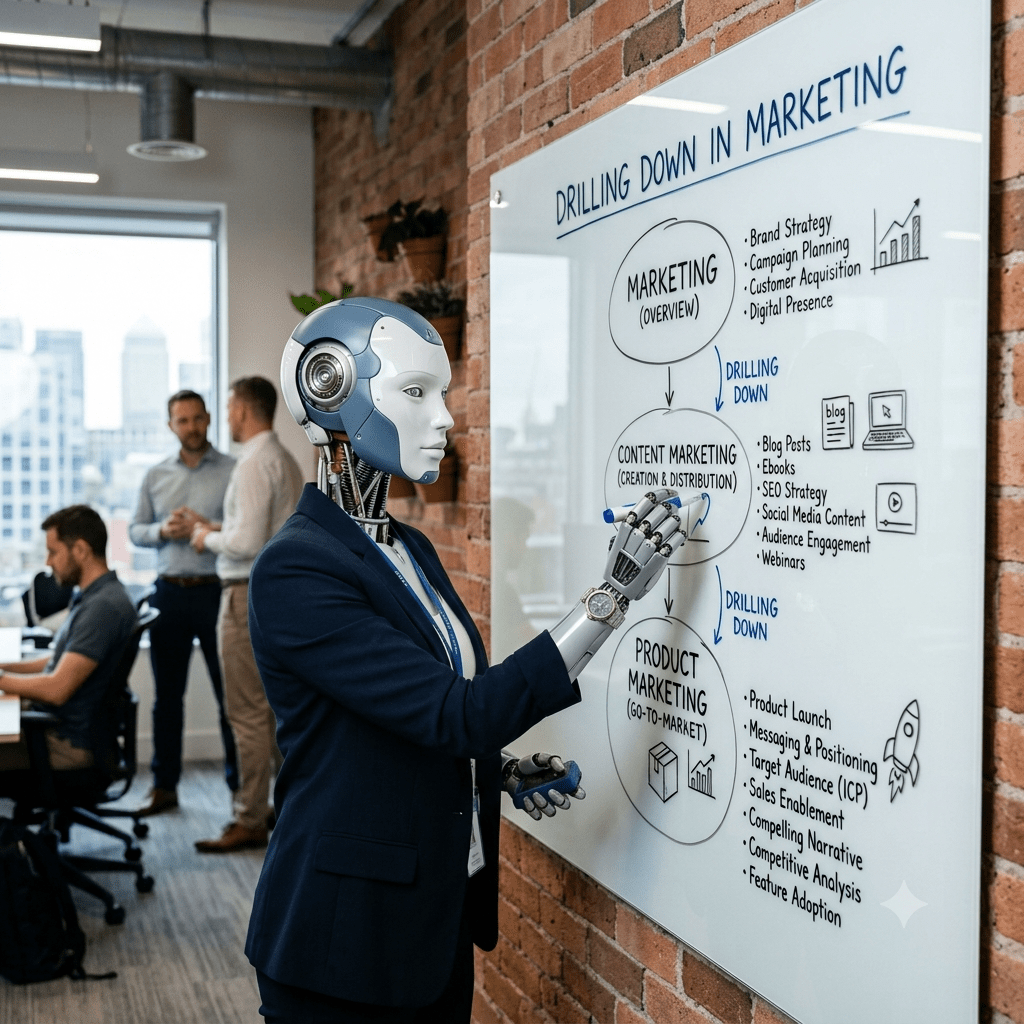
Looks like he will have interesting things to say later this week. His thoughts concern product marketing.


Identity/biometrics/technology marketing and writing services

Looks like he will have interesting things to say later this week. His thoughts concern product marketing.

…read the fine print.

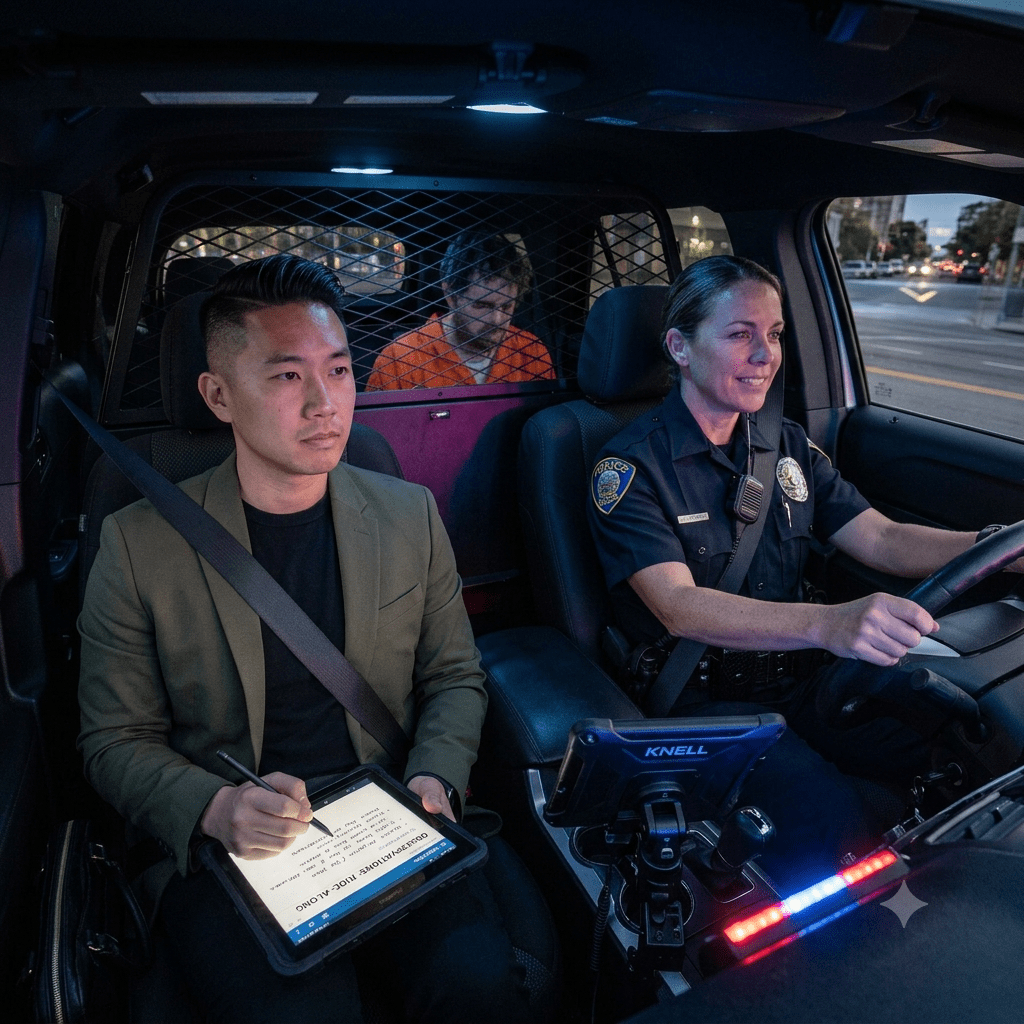

What if Bob and Judy found ANOTHER job: this time running a biometric company?
They would need help…

It’s been over a year since I looked at California SB 690, a bill which sought to amend a 1967 (!) law, the California Invasion of Privacy Act (CIPA), designed for the age of the landline telephone.
“[A] ton of lawsuits tried to apply 1967 law to modern use cases, including (Fisher Phillips) ‘routine website technologies such as cookies, pixels, search bar/form, chatbots, and session replay tools.’”
Back in mid 2025 SB 690 passed the Senate, but bill sponsor Senator Anna Caballero deliberately paused Assembly consideration.
“The Privacy and Consumer Protection Committee of the California State Assembly heard testimony on support and opposition to SB 690 late Wednesday, July 1….
“After hearing from several key stakeholders, the bill’s sponsor, Senator Anna Caballero, again amended the bill Wednesday. As amended, the bill: (1) applies only to California’s pen register and trap and trace statute, California Penal Code §§ 638.50 and 638.51, and (2) removes the private right of action for a violation of these statutes. The amended bill instead provides the California attorney general with the authority to bring claims.”
Private right of action is a biggie which has made millions of dollars for Illinois lawyers—I mean Illinois consumers via the Biometric Information Privacy Act (BIPA). Removing private right of action aligns CIPA with 21st century California privacy law, the California Privacy Rights Act (CPRA).

Are those enough acronyms for you?
Back to SB 690. As is usual in legislation, some Assemblypersons thought the amendments were great, some didn’t, and others thought they didn’t go far enough. Whether the increased support guarantees passage remains to be seen.

What happens when buyers and vendors don’t speak the same language and can’t understand each other?
I will discuss this problem, and possible solutions, over the next few days.
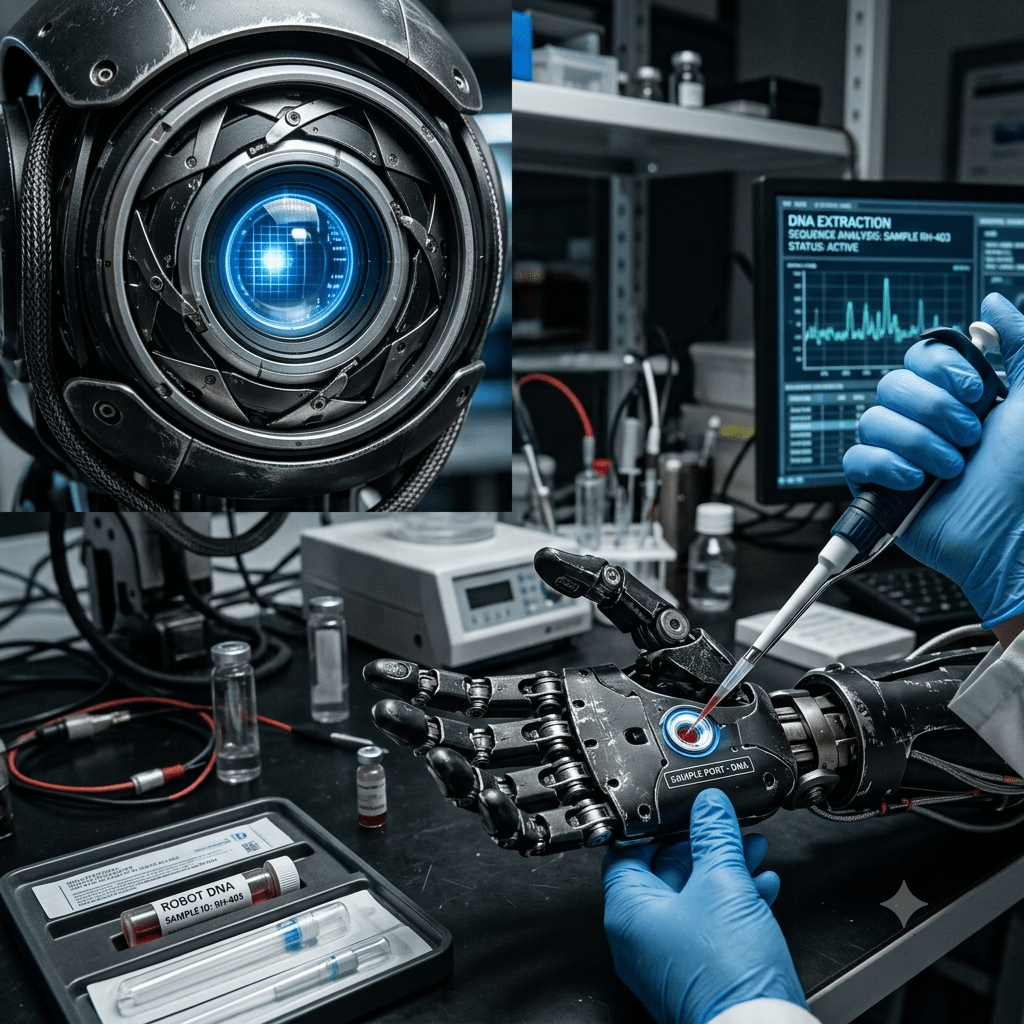
John has been dropping some serious knowledge on irises and DNA lately, so let’s break down where these heavy hitters actually fit in the biometrics playground. Think of iris recognition as the ultimate high-security bouncer. It is incredibly accurate and fast, making it perfect for border control or secure data centers where you need to know exactly who someone is in a split second without touching anything.
DNA, on the other hand, is the ultimate truth machine, but it is definitely not built for speed. You wouldn’t use a DNA swab to unlock your front door unless you enjoy waiting for a lab report to get inside. It is strictly for forensic validation and long-term identity verification.
When you compare them to mainstream options like face or fingerprints, it’s all about matching the right tool to the right problem. Expecting a single biometric to handle every single scenario perfectly is like a wildebeest marketing consultant trying to pitch a one-size-fits-all strategy to a confused wombat client. Face tracking is great for convenience, fingerprints dominate consumer tech, irises lock down high-stakes areas, and DNA settles the final score. Choose wisely.

No, Adobe’s first product wasn’t Adobe Experience Manager.
And it wasn’t Adobe Acrobat.
Yeah, that.
“Adobe PostScript® was at the forefront of the Desktop Publishing Revolution. It was released in 1984 and was not only the first device-independent Page Description Language (PDL) but also a programming language. It was originally designed to print documents on laser printers but was soon adapted to produce high-resolution files for imagesetters used by commercial printers.”
From the days when “desktop” publishing was cutting edge…like “wired.”
But in truth, the idea that an average human could create 300 dpi papers that didn’t look like typewritten text truly democratized design…for better or worse.
Now some users of Adobe’s subsequent products bypass printers altogether. (And desktop computers. I’m writing this on a phone.)

This image was in an earlier post, but my prompt wouldn’t work until I removed the explicit reference to Spider-Man.
Because Gemini honors third party copyrights.
It’s a marvel I can get anything done.

Just the video, ma’am. The extra junk is here.

 Bredemarket