Luna Marketing Services asked us on Instagram when we last went over our current processes.
My answer: January 18, 2024.
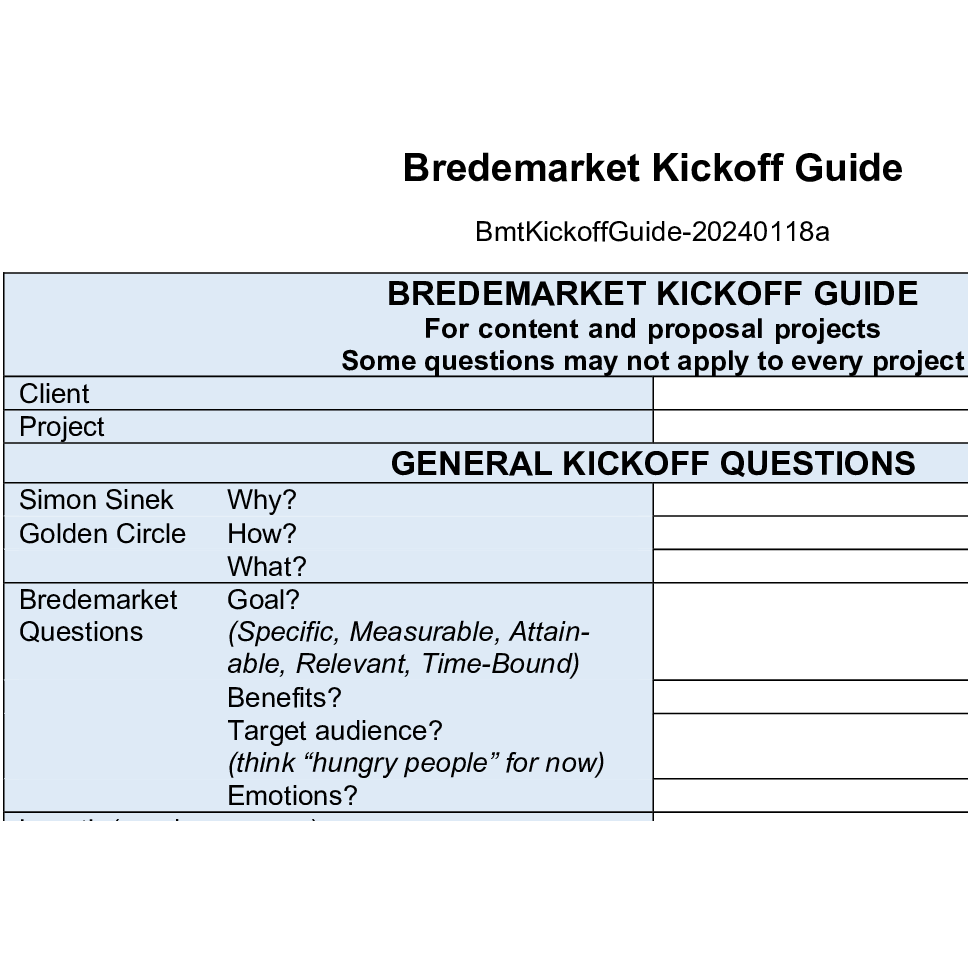
The illustration shows just one part of one of my processes. I don’t share the rest of this particular process, but it governs creation of most of my “CPA” materials.
In fact, I am about to start a short writing project for one of my clients, and I will start by asking these seven questions.
But not in Word. In the client’s Jira.
Don’t forget that processes require flexibility. Don’t complete processes for the sake of completing processes.
In any large organization, the right hand doesn’t know what the left hand is doing.
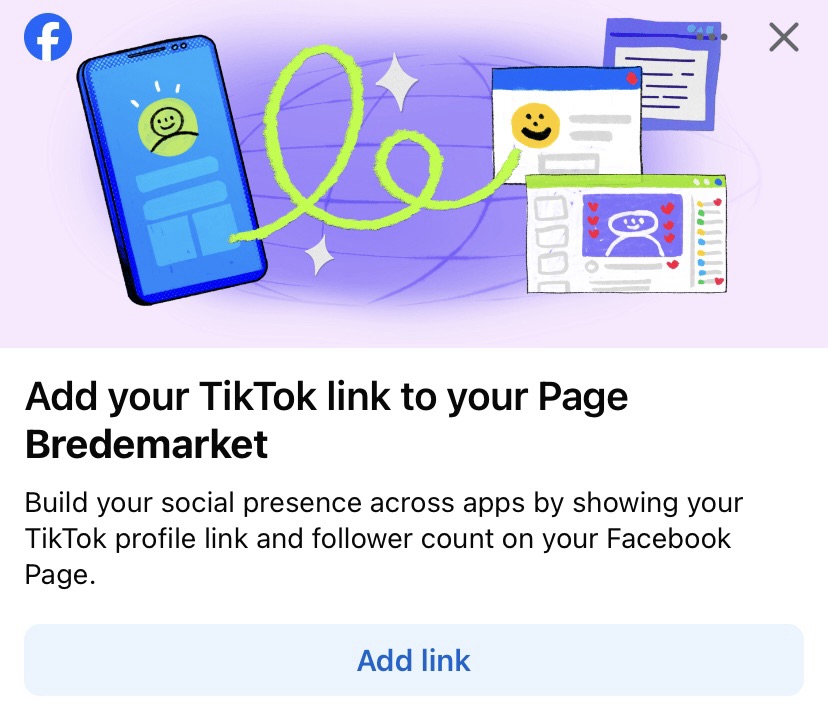
On the morning of January 17—which mathematically inclined individuals know is 2 days before January 19, the potential de-Tik Tok day—a message on my personal Facebook feed encouraged me to feature my TikTok presence on my Bredemarket Facebook page.
Perhaps this is just a cruel joke. What if I were to do this and the link broke? “Shoulda stayed on Facebook, not that wimpy service.”
But it’s still mystifying that some Meta employee thought it was a good idea to risk diverting traffic to a non-Meta property.
I tried to enter a salary range in an online job application and got this error message:
“What is your target overall salary/annual compensation rate?: Please enter a number using only the digits 0 to 9 with a value between 10000 and 2147483647. Do not include any commas, decimals, or letters.”
I was tempted to enter the maximum value, but I wanted the job.
But I knew the number 2,147,483,647 had to have some significance.
I recently completed a proposal project for a Bredemarket client and assembled a single PDF (cover letter plus main proposal) for the client to email to its customer.
The client asked me for text for the submission email.
I simply isolated the key points from the cover letter and crafted a brief email.
One more chance to emphasize the points we made in the cover letter.
(This is just one example of proposal repurposing, of course, as anyone who has managed proposal boilerplate/standard text well understands.)
I’ve discussed identity and privacy regarding people.
I’ve discussed identity and privacy regarding non-person entities.
But I missed something in between.
Earlier this week I was discussing a particular veterinary software use case with an undisclosed person when I found myself asking how the data processing aspects of the use case complied with HIPAA, the U.S. Health Insurance Portability and Accountability Act.
Then I caught myself, realizing that HIPAA (previously discussed here) does not apply to dogs, cats, cows, or other animals. They are considered property, and we all know how U.S. laws have treated property in the past.
So you can violate an animal’s privacy all you want and not run afoul of HIPAA.
But you could run afoul of some other law. As Barb Rand noted back in 2013, 35 states (at the time) had “statutes that address the confidentiality of veterinary patient records.”
And when animal records are commingled with human records—for example, for emotional support animals—protected health information rules do kick in.
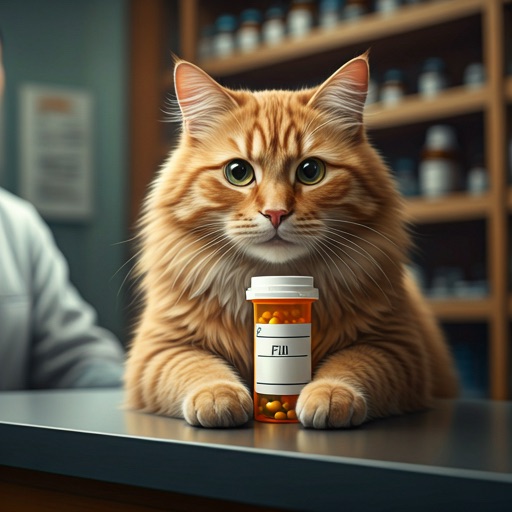
Unless the animal is intelligent enough to manage their own prescriptions without human assistance.







 Bredemarket