Avoid Typos (Papa Kegba)

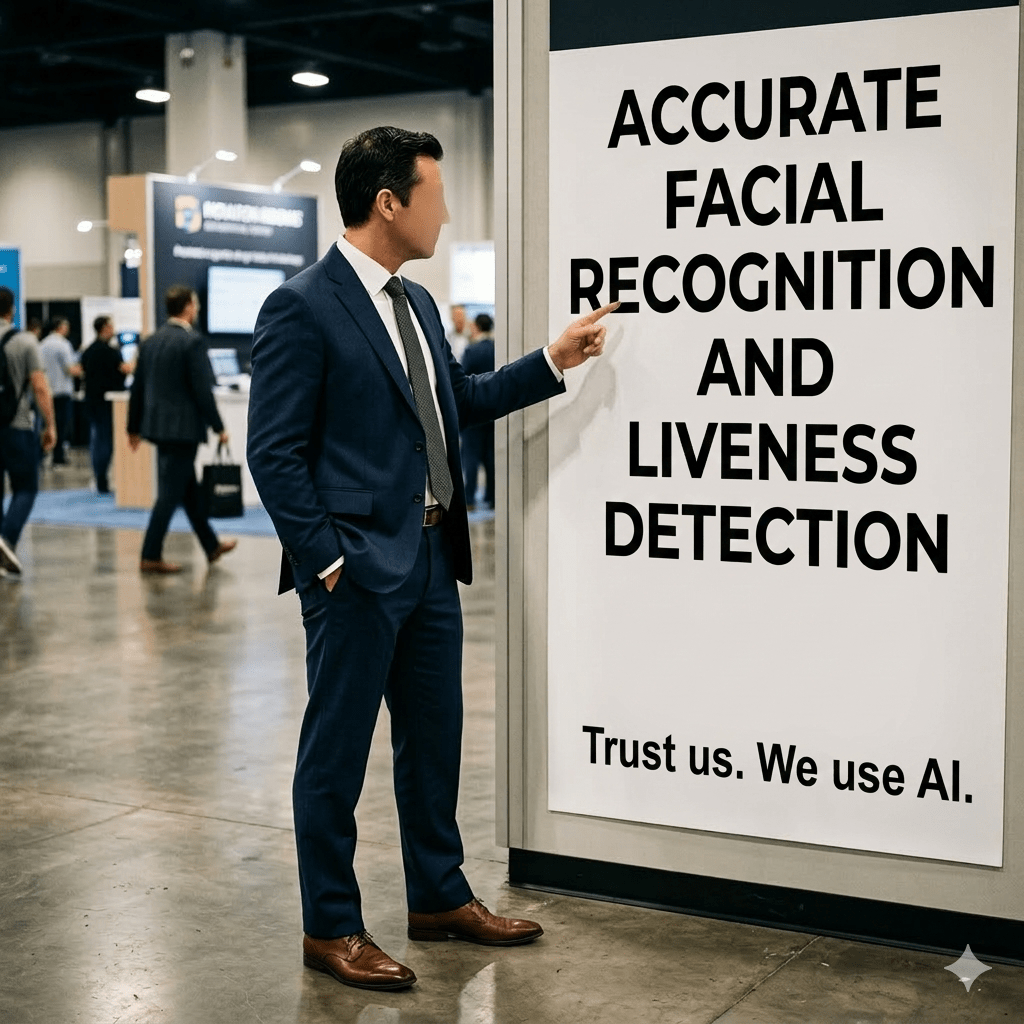
One of the oddest movie song juxtapositions is the pairing of Pops Staples’ “Papa Legba” and John Goodman’s “People Like Us” in the David Byrne movie True Stories. While researching the former I accidentally typed Papa KEGBA. Which resulted in this.

Papa Kegba.

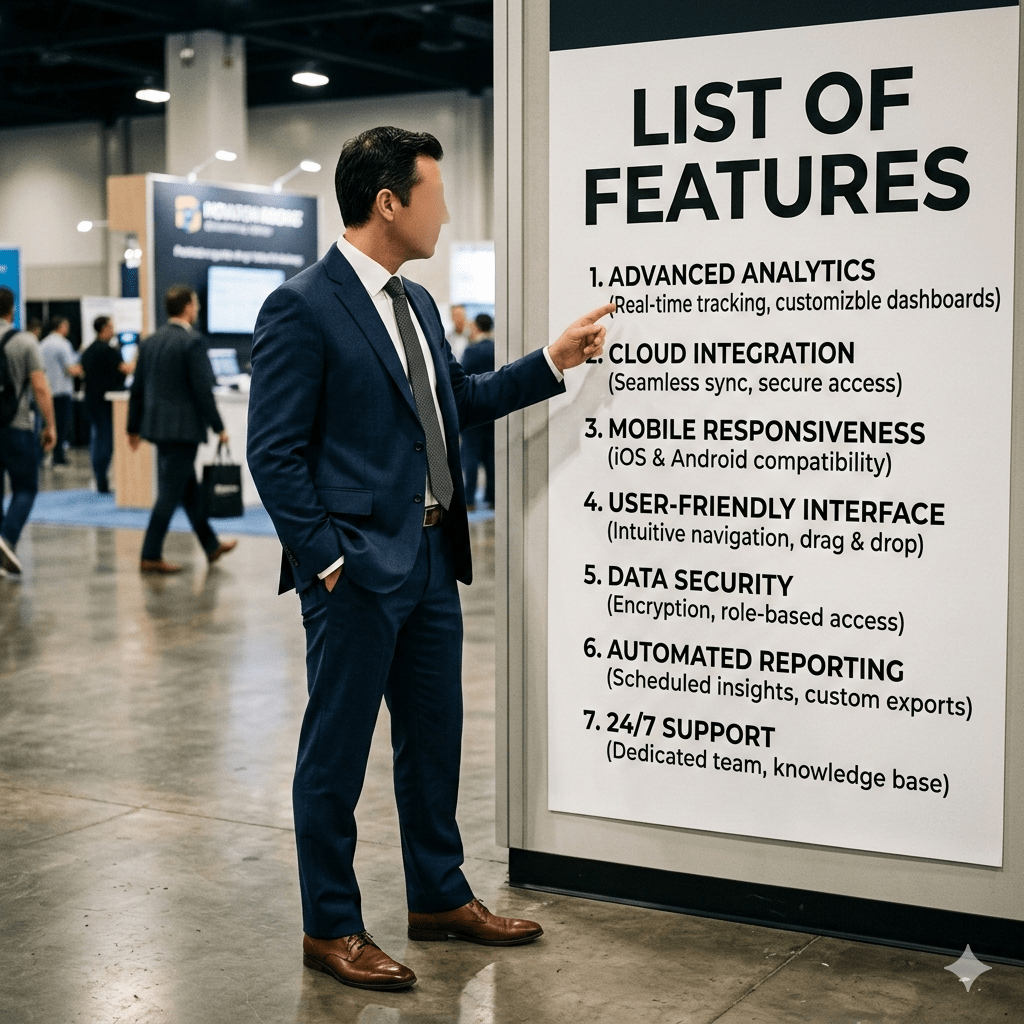
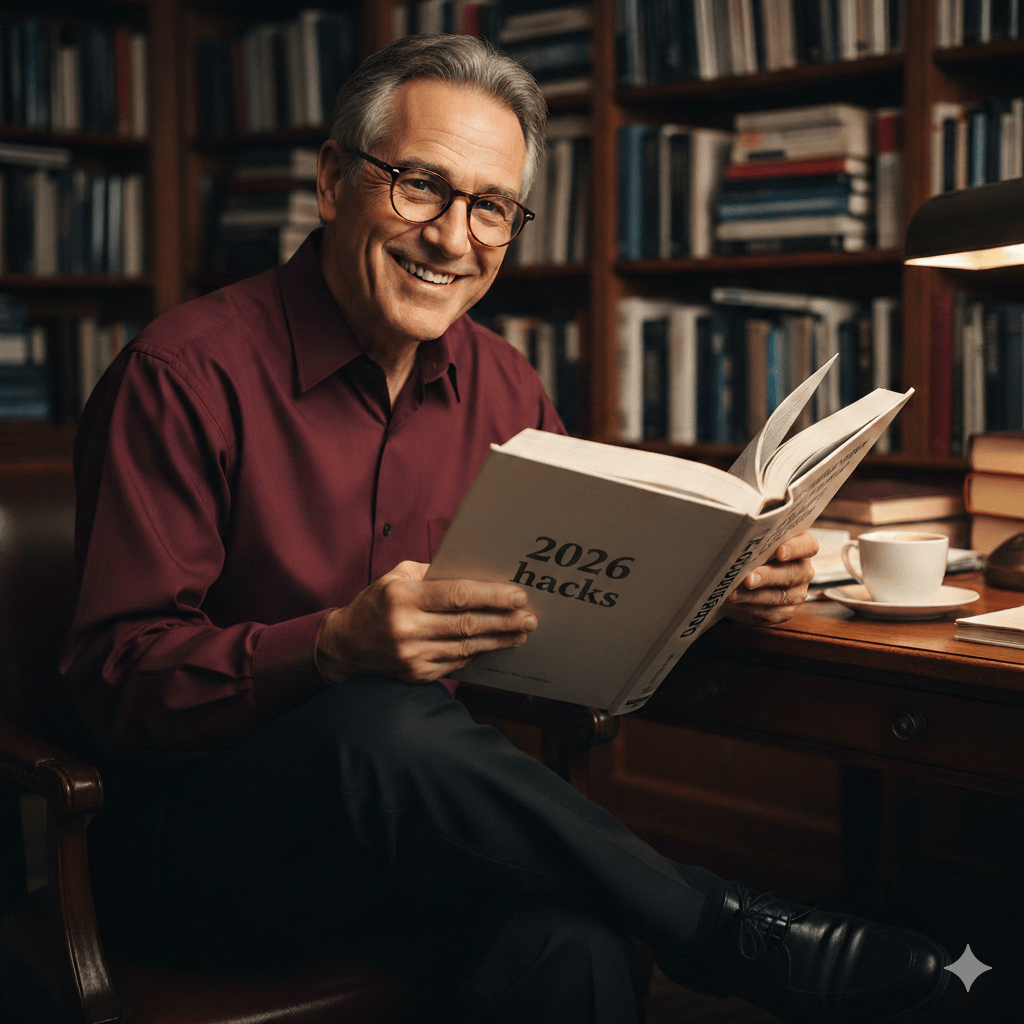
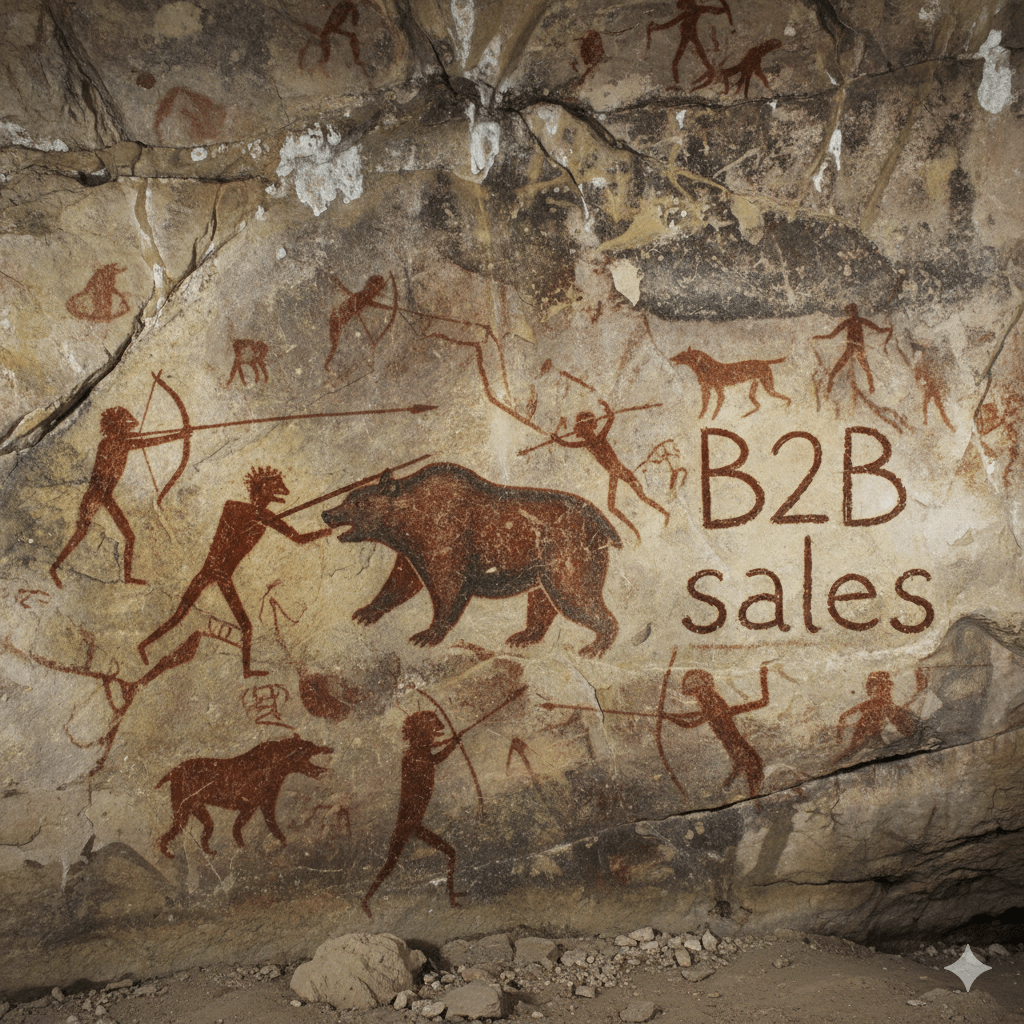
If you’re curious about the Google Gemini (Nano Banana this week) prompt used to create the first picture, I documented it in the Bredemarket Picture Clubhouse Facebook group here.

Pourquoi Bredemarket ne propose-t-il pas ses services dans d’autres langues que l’anglais ?

Il y a deux semaines, Bredemarket a reçu une demande de réunion entièrement rédigée en français. J’ai dû la faire traduire pour comprendre la demande. J’ai trouvé le site web de son entreprise, lui aussi entièrement en français. Je ne savais pas trop comment aider cette personne, mais j’ai maintenu la réunion pour voir ce qui se passerait. Au cas où, j’ai utilisé Google Traduction pour préparer un message du type « Je ne parle ni n’écris en français ».

Et j’en ai eu besoin.

Le prospect a rejoint l’appel, ne parlant que français et incapable de comprendre mon anglais. J’ai finalement dû partager mon écran avec mon message traduit, et là, il est resté muet. J’avais oublié comment dire « au revoir » lors d’un appel professionnel en français, alors j’ai raccroché.

« Mais John », me direz-vous, « pourquoi ne pas écrire en anglais et traduire ensuite ? Tu pourrais gagner des fortunes comme ça ! » Cet article de blog devrait vous démontrer les inconvénients de cette approche. Quand les mots sont essentiels, il vous faut un rédacteur qui maîtrise les subtilités du français des affaires. Pas un texte traduit automatiquement. (« Une tonne d’euros ??? »)

The paragraphs above were “written” by Google Translate. Here’s what I sent to it:

Two weeks ago, Bredemarket received a meeting request written entirely in French. I had to run it through a translator just to see what the person was requesting. I found his company’s website, which was again written entirely in French. I wasn’t sure how I could help this person, but I kept the meeting anyway to see what would happen. Just in case I needed it, I used Google Translate to prepare a “I don’t speak or write in French” message.

Turns out I needed it.

The prospect joined the call, speaking only French and unable to comprehend my English. I finally had to share my screen with my translated “I don’t speak or write in French” message, at which point he said nothing. I had forgotten the proper way to say “good bye” on a French business call, so I just hung up.

“But John,” you’re saying, “why don’t you write in English and just translate it to French? You can make a ton of Euros that way!” This blog post should demonstrate the drawbacks of this approach. When words are critical, you need a writer who understands the nuances of business French. Not some text translated by a bot. (“Ton of Euros???”)

There Are Emotions, and There Are EMOTIONS

Luna Marketing Services made an (LinkedIn word warning) insightful point in a recent Instagram post.

“According to a study by Jonah Berger and Katherine L. Milkman,  certain pieces of online content that evoke high-arousal positive (awe) or negative (anger or anxiety) emotions are more viral.”

That part wasn’t a surprise to me. I’ve talked about it before. And here’s part of what Berger and Milkman said in 2012:

“This article takes a psychological approach to understanding diffusion. Using a unique data set of all the New York Times articles published over a three-month period, the authors examine how emotion shapes virality.”

But this was the insightful part. From Luna:

“The study also found that content evoking emotions such as happiness and sadness is less likely to be shared or go viral.”

From the original authors:

“Experimental results further demonstrate the causal impact of specific emotion on transmission and illustrate that it is driven by the level of activation induced.”

As I mentioned in a comment to Celia, I hadn’t thought of the distinction between high arousal and low arousal.

No, not that.

I’m thinking about emotions akin to complete bliss.

We need to let our readers experience them.

Grok.

Your Thoughts on Gary Kroeger’s Spectrum

Gary Kroeger has written a Substack post entitled “The Spectrum Policy.”

His primary thesis:

“‘Spectrum Thinking’…is the opposite of ‘Binary Thinking’ which forces thought into a binary option only; ‘good’ or ‘bad,’ ‘right’ or ‘wrong,’ ‘Unknown equals threat.’”

Kroeger does not argue that we abandon binary thinking altogether. Instead he asserts that we have prioritized binary thinking and that we need to strive “an equal counterbalance” between binary and spectrum thinking.

“Binary thinking is not a lack of gray matter or even education, but is a way that human beings adapt to ever-changing, evolving, myriad complexities of existence. It is a way to protect ourselves. There are, however, disastrous downsides when there is not an equal and opposite counterbalance…”

Read Kroeger’s entire piece on Substack:

https://open.substack.com/pub/gary261401/p/the-spectrum-policy

Incidentally, I resisted the temptation to begin this with the statement “Yeah, THAT Gary Kroeger” because (1) it’s irrelevant to his argument, and (2) many readers are too young to know who THAT Gary Kroeger is anyway.

The Department of War Brand…Guides

I’ve never written a formal brand guide for Bredemarket, but I probably should. Not that outside agencies are citing the Bredemarket brand or the proper use of a wildebeest, but I probably should provide helpful consistency hints. (No “Brede Market,” people.)

But larger organizations obviously have brand guides and enforce them.

Including the United States Department of War.

Note that I said Department of War, not the Department of Defense. There is an official “DOW Brand Guide” posted on the Department of War website. And as we’ll see in a minute, it’s important to note that this is on the Department’s website.

The DOW Brand Guide and Mission Statement

A government agency needs to brand just like private agencies. Here are the opening overview of the DOW Brand Guide:

The Department of War Brand Guide was developed to ensure a shared visual experience that reinforces DOW’s identity and core priorities.

The foundation of the department’s brand is the DOW Mission Statement:

The Department of War provides the military forces needed to deter war and ensure our nation’s security.

Without getting into the politics and showmanship of the whole thing, let’s note that the Department has a critical need to communicate its mission. And that’s what it has done here.

Use of Name

I’m not going to cover the entire DOW Brand Guide, which is like any other brand guide with logos and colors and stuff. The picture illustrating this post is the “dark stacked” logo.

But considering the background of the Deparrtment renaming, I do want to concentrate on the name itself, from the “Use of Name” section of the DOW Brand Guide.

In Executive Order 14347, issued Sept. 5, 2025, President Donald J. Trump directed the U.S. Department of Defense “be known as the Department of War,” a secondary title for this cabinet-level department. The order permits the use of this secondary title for official correspondence, public communications and ceremonial contexts within the executive branch.

How many of you caught a particular word that was repeated in that paragraph? The word that caught my eye is “secondary.” So for all this ballyhoo, apparently we can still use the D-word “Defense.” In fact, if you look at the tags to this post, I continue to use the tag “department of defense.” I may have to change it later. The people in the Department have guns and can be very persuasive. More persuasive than the cartographers who don’t want us to use the M-word “Mexico” when referring to a body of water south of Texas and west of Florida.

The “Use of Name” section continues.

Use “War Department” in most cases on first reference, reserving “Department of War” for quoted matter, or situations that require that level of formality.

But that isn’t the part that interested me. When you talk about government agencies, no one cares about the name. They care about…the ACRONYM.

The correct acronym for “War Department” as used on the War.gov flagship website, which uses the AP Style as standard, is “DOW” with an uppercase “O” in the center; use on second reference after “War Department” or when the standalone acronym suffices depending upon use. Do NOT use “DoW.”

Which goes to show you that even military officials cower before style guide enforcers.

Except…

Use of Name, Part Two

The “Use of Name” section continues with one more paragraph.

The correct acronym for “War Department” in official written department communications, including but not limited to news releases, speeches, transcripts etc., including those published on War.gov, is “DoW” with a lowercase “o”, Do NOT use “DOW” in these types of products.

Talented editors can parse this, but the rest of us need to think through this a bit.

  • A style guide on War.gov is referred to as a “DOW” style guide.
  • But a news release that’s published on War.gov refers to “DoW.”

But what if the Associated Press (which presumably follows the AP Style) refers to a news release that is posted on War.gov? Does the writer use “DOW” or “DoW”?

How Much Does the Product Cost?

It’s a simple question. “How much does the product cost?”

How much does the product cost?

But some salespeople treat this like a nuclear secret and will only release the information after you sit through a 90 minute timeshare presentation.

No, you’re not listening to me!

Well, my rates haven’t changed since May.

  • Work with me on an hourly basis at the $100/hour rate.
  • For text between 400 and 600 words (short writing service), I can bill a flat rate of $500.
  • For text between 2800 and 3200 words (medium writing service), I can bill a flat rate of $2000.
  • We can work out a flat rate for different lengths if needed. 

Let’s talk.

And yes, I even provide my prices in video form.

The Temperamental Writer in Action, October 2025 Edition

While transferring text from a reviewer’s copy to my master for a recent project, I inserted the following temporary comment into my master:

And yes, I used the Oxford comma to preserve the integrity of George Washington, a seamstress and a pirate.

And there’s one comment I didn’t make in writing. I just voiced it.

DON’T PUT TWO SPACES AFTER PERIODS.

Temperamental writers are temperamental, after all.

The Semantics of “Likeness” vs. “Deepfake”

A quote from YK Hong, from the post at: https://www.instagram.com/p/DPWAy2mEoRF/

“My current recommendation is strongly against uploading your biometrics to OpenAl’s new social feed app, Sora (currently in early release).

“Sora’s Cameo option has the user upload their own biometrics to create voice/video Deepfakes of themselves. The user can also set their preferences to allow others to create Deepfakes of each other, too.

“This is a privacy and security nightmare.”

Deepfake.

As I read this, one thing hit me: the intentional use of the word “deepfake,” with its negative connotations.

I had the sneaking suspicion that the descriptions of Cameo didn’t use the word “deepfake” to describe the feature.

And when I read https://help.openai.com/en/articles/12435986-generating-content-with-cameos I discovered I was right. OpenAI calls it a “likeness” or a “character” or…a cameo.

“Cameos are reusable “characters” built from a short video-and-audio capture of you. They let you appear in Sora videos, made by you or by specific people you approve, using a realistic version of your likeness and voice. When you create a cameo, you choose who can use it (e.g., only you, people you approve, or broader access).”

Likeness.

The entire episode shows the power of words. If you substitute a positive word such as “likeness” for a negative word such as “deepfake”—or vice versa—you exercise the power of to color the entire conversation.

Another example from many years ago was an ad from the sugar lobby which intentionally denigrated the “artificial” competitors to all natural sugar. Very effective for the time, in which the old promise of better living through chemicals was regarded as horror.

Google Gemini.

Remember this in your writing.

Or I can remember it for you if Bredemarket writes for you. Talk to me: https://bredemarket.com/mark/

The right words.