

Some services Bredemarket does not provide.
Tag Archives: music
My Favorite Knowledge-Based Authentication (KBA) Failure

If the identity you’re protecting is important, knowledge-based authentication (KBA) isn’t sufficient to protect it. There’s an example of a KBA failure that I originally discussed in 2024 in a “The Wildebeest Speaks” article, but since I’m citing it again on LinkedIn I might as well mention it here.
Consider the following four criteria:
- The person is a famous musician.
- The person uses a particular first and last name.
- The person is of a particular nationality.
- The person plays a particular musical instrument.
That’s not enough to identify an individual.
Just ask the famous musician Mick Jones, the English guitarist.
Here he is (on the left) playing guitar for the song “Urgent.” (Or, more accurately miming to a previous recording. The recording included Junior Walker and Thomas Dolby, but the video did not.)
And here is Jones again, playing guitar and singing “Should I Stay Or Should I Go.”
“Wait a minute, John!” you’re saying. “Those are two different bands and two different people!”
Right.
And for those who thought all the members of Foreigner were American…
“By 1974 we found in Spooky [Tooth] that we were getting a better reception in the States than back home in Britain, so made a collective decision to relocate to New York….
“[After Gary Wright quit Spooky Tooth] I [Mick Jones the English guitarist] was left high and dry in New York, and without a clue as to what my next move was going to be. I seriously considered returning to England and starting over a whole new career, such as going to medical school or becoming a dentist. The second option was the most attractive to me, because it took less time to qualify and paid good money.”
But dentistry’s loss was music’s gain, as Jones assembled two other British people and three Americans into a band called Foreigner.
And considering that the other Mick Jones was kicked out of the Clash, we can figure out how THAT band got its name.
Anyway, “Mick Jones the English guitarist” remains my favorite example of a knowledge-based authentication failure.
Because you need multiple ways to verify and authenticate identities. I should know.
What’s in a Name?

In the 1970s, Tom Peterson was an electronics, appliance, and furniture salesman in Oregon.
Tom Petersson was the bass player in Cheap Trick who rose to fame after performing in Japan.
Original reel on my personal Instagram at https://www.instagram.com/reel/DUCu9ScjH9f/
One Minor Adjustment

Can a change in the emotional content of a written piece offer you great joy?
Let’s talk about National Blonde Brownie Day.
“National Blonde Brownie Day on January 22nd recognizes a treat often referred to as blondies.”
Now if you had asked me on January 21 what a blonde brownie is, I wouldn’t have known. Now I do…and you will also.
“[A] a blonde brownie is similar to a chocolate brownie. In place of cocoa, bakers use brown sugar when making this delicious brownie, giving it a sweet-tooth-satisfying molasses flavor!”
Just one change and you get something that looks and tastes different.
As you know, one of the seven questions I ask before writing client content is about the emotions that the piece should invoke.
Should prospects be angry? Scared? Motivated?
Or, can a change in the emotional content of a written piece evoke great paralyzing fear?
(Maybe those tasty brownies contain deadly bacteria.)
If you change the emotion words in a piece of content, you get something that looks and tastes different.
Eat to the beat. One way or another.
New Hank
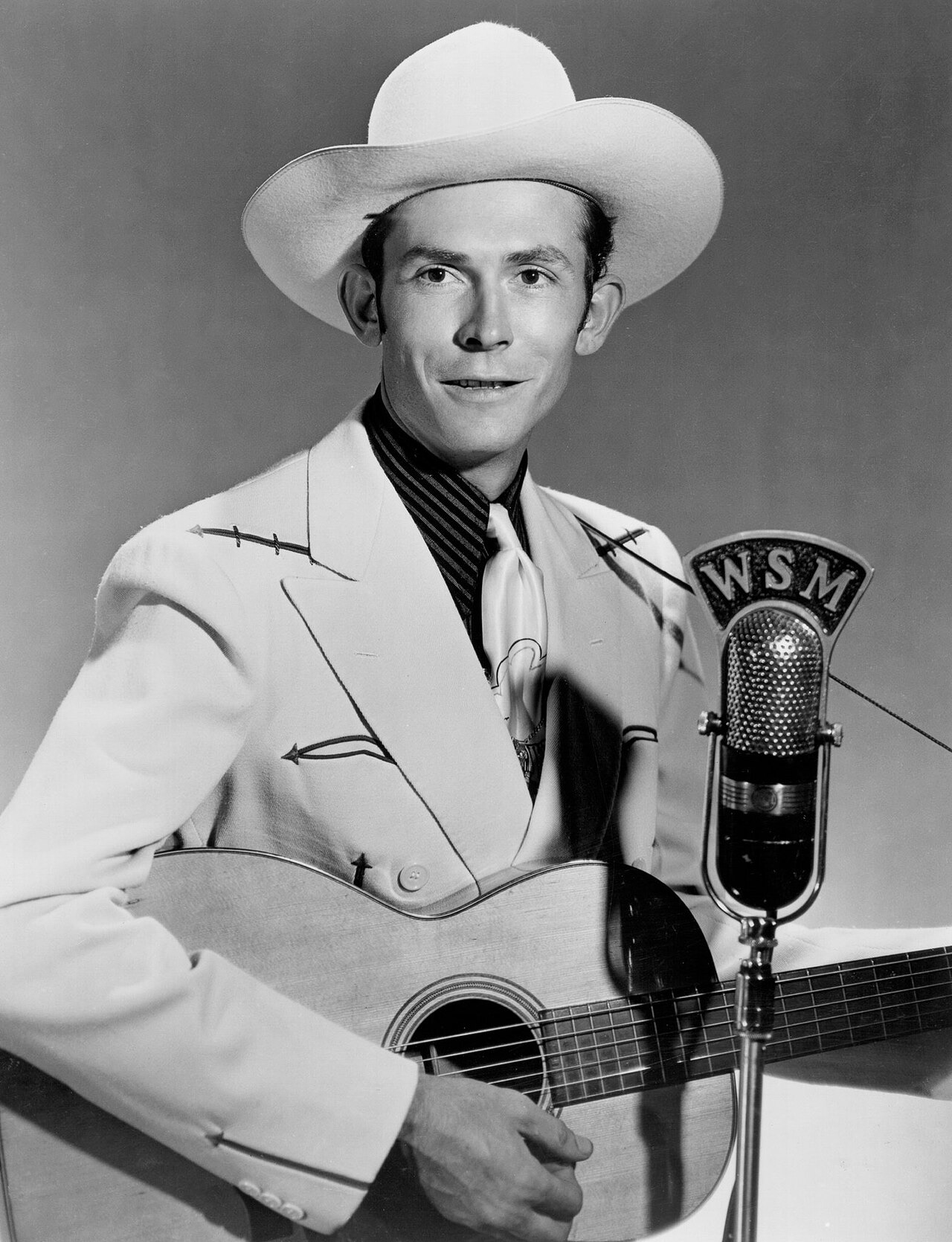
Obviously fake. Created in response to this Threads response to the question “Do you happen to know any old Hank Williams songs?”
“As opposed to new ones?”
Revealed, Alternate Version

I went ahead and created my original concept of this reel.
The third version, using Frank Zappa’s “A Little Green Rosetta,” was only created as an Instagram story and will therefore disappear from public view by Tuesday evening.
I guessed that’s supposed to encourage you to subscribe to the Bredemarket Instagram account, but I don’t think Green Rosetta is a strong selling point. Too bad “Watermelon in Easter Hay” doesn’t fit the reel subject matter.
Revealed
On Monday afternoon, I was writing “draft 0.5” of a document for a Bredemarket client. Among other topics, the document noted how the quality of biometric capture affects future identification capability.
By Monday evening…this happened.
By the way, the accompanying music is “Dramatic Emotional Piano” by makesound music.
Although when I was originally conceptualizing the silhouette, I was thinking of the instrumental interlude toward the end (about 4 minutes in) of Elton John’s “I’ve Seen That Movie Too.”
Yeah, that song’s over fifty years on. Something I will address on my personal LinkedIn profile later this evening.
Singer/songwriters…and Deepfakes
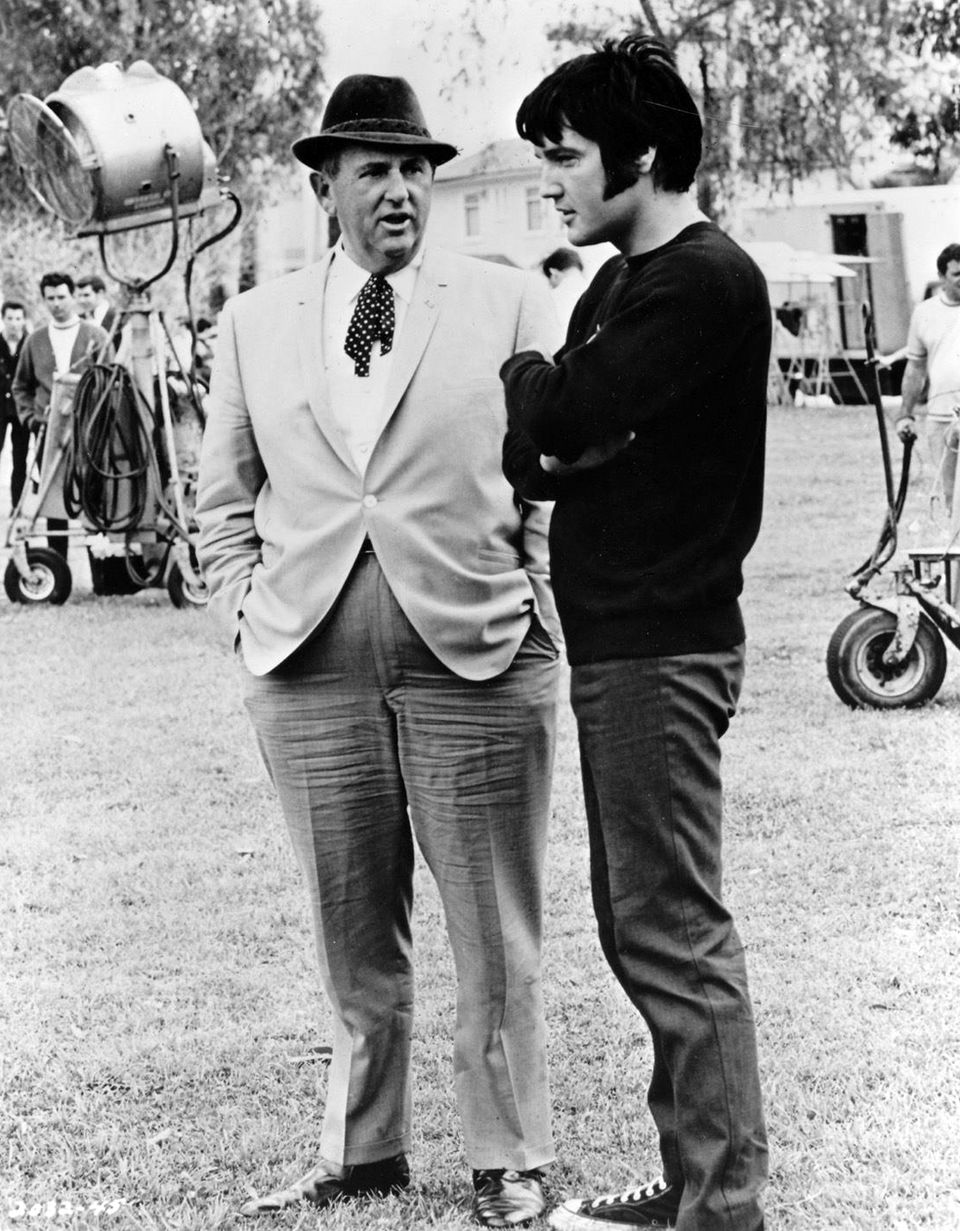
I was just talking about singers, songwriters, and one singer who pretended to be a songwriter.
Of course, some musicians can be both.
Willie Nelson has written songs for others, sung songs written by others, and sung his own songs.
But despite the Grok deepfake I shared last October, Willie is not known as a rapper.
Mutable Attributes to Identity, Straight From the Music World
Each person has certain immutable attributes associated with them, such as their blood type. And other attributes, such as their fingerprints and iris characteristics, which are mostly immutable. (Although I defy anyone to change their irises.)
But other things associated with us are all too mutable. If we use these for identification, we’ll end up in trouble.
Elvis Presley, songwriter?
Let’s take one of the many attributes associated with Elvis Presley. If you haven’t heard of Presley, he was a popular singer in the mid 20th century. He’s even in Britannica.
(As a point of clarification, the song “Radio Radio” is associated with a DIFFERENT Elvis.)
Among many other songs, Presley is associated with the song “Don’t Be Cruel.”
Presley was not only the performer, but also the credited co-songwriter.
After all, that’s what BMI says when you search its Songview database. See BMI work ID 317493.

So if BMI says Presley co-wrote it, it must be true. Right?
Um, no. In reality, the song was written by Otis Blackwell alone.

So what’s the deal? The deal was this:
“…he listened to a selection of acetate demos provided by Freddy Bienstock, the new song representative assigned to Elvis by his publishers, Hill and Range. He chose “Don’t Be Cruel” by an obscure Brooklyn-born r&b singer and songwriter, Otis Blackwell. As per Hill and Range’s contractual requirement, it came with the assignment of half the publishing to Elvis Presley Music and half the writer’s share to Elvis Presley, but as Blackwell, the first of Elvis’ great “contract” writers, was always quick to point out, it was the best deal he ever made.”
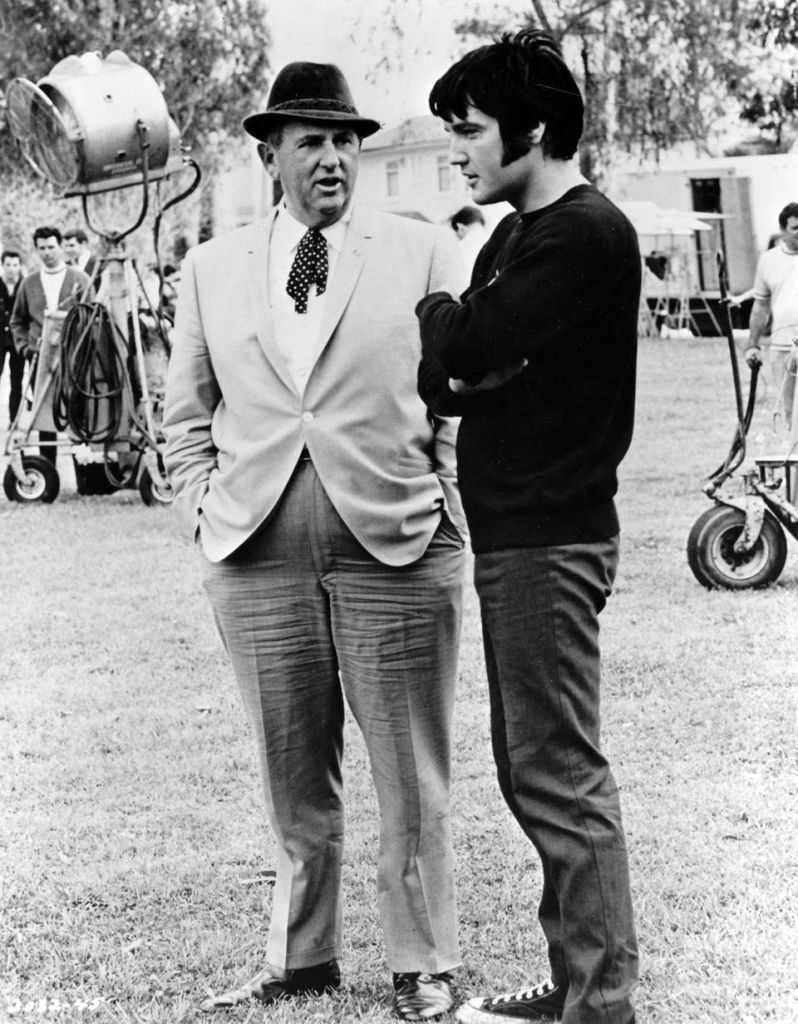
Many songs are credited to Presley as a songwriter, but in reality he wrote few if any of them. Yet the “songwriter” attribute is assigned to him. Do we simply accept what BMI says and move on?
But there are other instances in which there are no back room deals, yet a song is strongly associated with a musical entity who never wrote it.
George Jones, not a songwriter
Take BMI Work ID 542061. The credited songwriters for this particular song are Robert Valentine Braddock and Claude Putnam, more commonly known as Bobby Braddock and Curly Putnam. According to RolandNote, Braddock and Putnam began writing this song on March 4, 1977 and finished it on October 18, 1977.
It was recorded by Johnny Russell on either March 7, 1978 (RolandNote), or January 18, 1979 (Second Hand Songs), or both (Classic Country Music Stories). But no recording was released.
Then George Jones recorded the song on February 6, 1980 with subsequent overdubs (“You know she came to see him one last time”) when he was more sober. His reaction?
“I looked [producer] Billy [Sherrill] square in the eye and said ‘nobody’s gonna buy that thing, it’s too morbid.’”
And morbid it was. Although popular music in general and country music in particular has never shied away from morbid songs.
Released the next month on March 18, the song was never associated with Braddock, Putnam, Russell, or Sherrill ever again. “He Stopped Loving Her Today” is completely associated with George Jones.
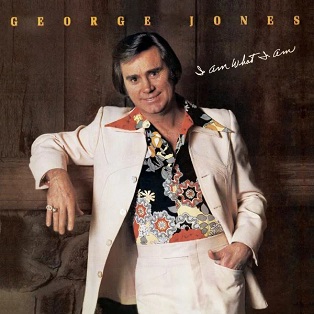
I am moved by the lyrical and emotional build-up, beginning with the very first line.
He said, “I’ll love you ’til I die”
After additional lines regarding a man’s unrequited love, the narrator enters the picture.
I went to see him just today
Oh but I didn’t see no tears
All dressed up to go away
First time I’d seen him smile in years
As for what happened next…listen to the song.
The bridge
Now there’s a particular article that I wrote for a Bredemarket client a couple of years ago that used a slow reveal “reverse timeline” effect. Starting with 2022 and moving back in time to 2019, I slowly dropped the details about a missing person who was identified via biometric technology, finally solving the mystery of the person’s identity (Connerjack Oswalt).
But I’m no Braddock/Putnam.
And I’m no George Jones.
Stranger, or Strangers?

Is this a man?

Or men?

Or video game characters?
Identity is confusing.
 Bredemarket