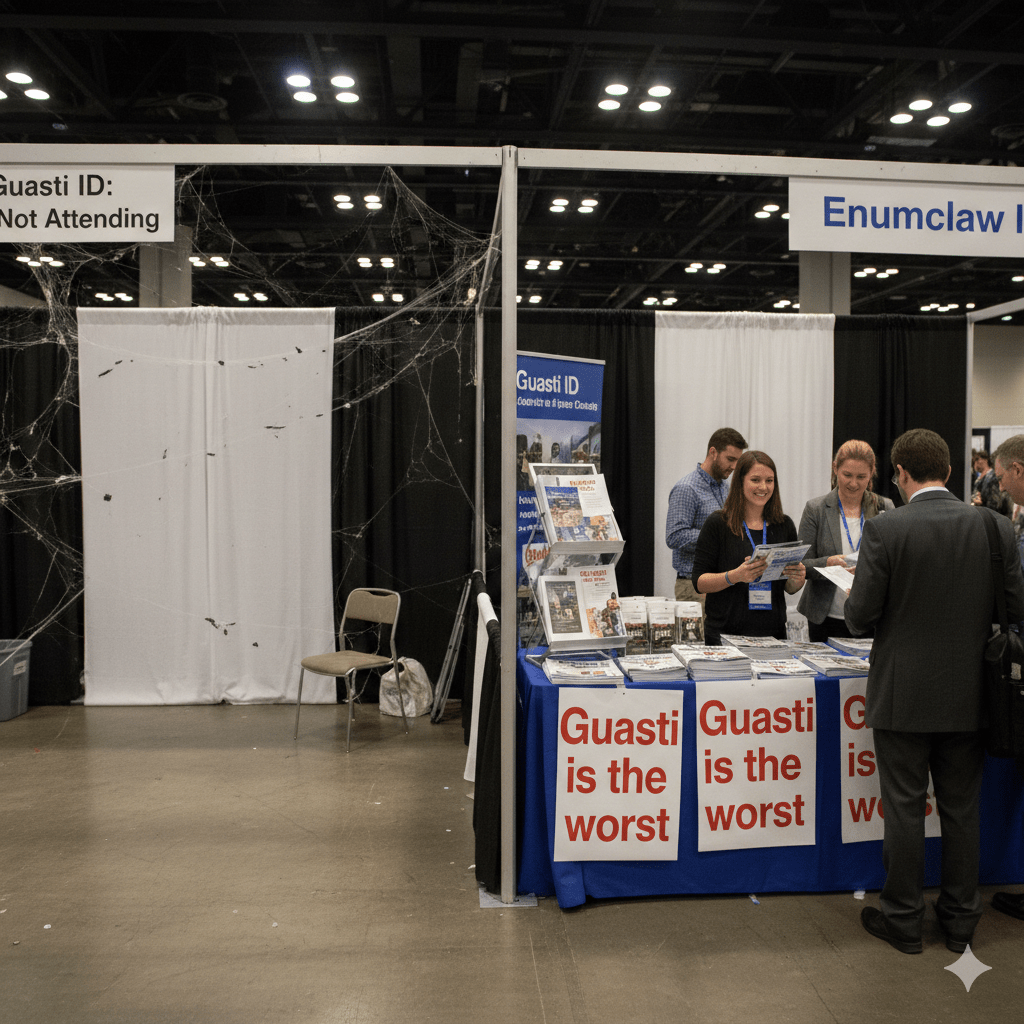
The Reality of Sales Enablement

Whenever product marketers create materials for others—whether for external or internal audiences—they need a feedback loop to ensure the audiences can, and will, use the materials.

Google Gemini.

Those who know me know that I am drawn to complexity like a moth to a candle, and constantly have to resist the urge to detail.

  • My draft 0.5s that go through severe cutting before anyone sees draft 1.0.
  • My Incode team’s 80+ “battlecards” that were four pages long.

Regarding the latter, I should have learned the lesson from my MorphoTrak days. I was creating sales playbooks for one of our products that were much more than four pages long. Detailed playbooks that went into detail about the product, the market, the competitors, and everything else.

Sales did NOT like them. I was told the truth about HOW salespeople would use these playbooks.

“I will glance at your playbook five minutes before meeting with a prospect.”

I could wish upon a star that the salespeople would spend four hours in intense study, but just because I wish for it doesn’t mean it is going to happen.

Now I wish…that my Incode battlecards had been shorter.
Let Your Competitors Market Your Product

They’ll be happy to talk about you.

As I noted in February.

One: You save money. Why spend hundreds or thousands of dollars on go-to-market or sales enablement materials? Let your competitors incur those costs.

Two: You save time. The best product marketing initiatives occur in a joint process between the marketing leader and the product marketing consultant. But this requires commitment on your part: in initial project definition, draft review, and final publication.

Three: You save trouble. If your product marketing content has an effective call to action, there is the danger that a prospect may act on it, creating more work for your sales organization.

You can save money, time, and trouble by your silence. Let your competitors bear the burden of defining your product to your prospects. They will be more than happy to do so.

Three Reasons Why You Should Let Your Competitors Market Your Identity/Biometric Product

Identity/biometric marketing leaders have a lot on their hands, and the last thing they need is more work. Even if you outsource your product marketing, you must manage the resources.

Rather than do this yourself, why not let your competitors do it?

Imgflip.

If your competitors market your identity/biometric product…

  • One: You save money. Why spend hundreds or thousands of dollars on go-to-market or sales enablement materials? Let your competitors incur those costs.
  • Two: You save time. The best product marketing initiatives occur in a joint process between the marketing leader and the product marketing consultant. But this requires commitment on your part: in initial project definition, draft review, and final publication.
  • Three: You save trouble. If your product marketing content has an effective call to action, there is the danger that a prospect may act on it, creating more work for your sales organization.

You can save money, time, and trouble by your silence. Let your competitors bear the burden of defining your product to your prospects. They will be more than happy to do so.

In fact, you should strongly encourage your competitors to contact Bredemarket about their identity/biometric product marketing needs. Bredemarket will make your competitors spend money and stay busy during and after content creation.

Whatever you do, do NOT contract with Bredemarket yourself. Bredemarket has worked with clients on both a strategic and tactical basis to bring identity/biometric products to market, launch long-term campaigns, and bring visibility to client products and services.

Bredemarket can write your biometric company’s product marketing content.