
I have previously noted that water is part of the United States’ critical infrastructure, and has been designated as such by the U.S. government.
But there are fifteen other critical infrastructure segments, including energy:
“The energy infrastructure is divided into three interrelated segments: electricity, oil, and natural gas. The U.S. electricity segment contains more than 6,413 power plants (this includes 3,273 traditional electric utilities and 1,738 nonutility power producers) with approximately 1,075 gigawatts of installed generation. Approximately 48 percent of electricity is produced by combusting coal (primarily transported by rail), 20 percent in nuclear power plants, and 22 percent by combusting natural gas. The remaining generation is provided by hydroelectric plants (6 percent), oil (1 percent), and renewable sources (solar, wind, and geothermal) (3 percent). The heavy reliance on pipelines to distribute products across the nation highlights the interdependencies between the Energy and Transportation Systems Sector.
“The reliance of virtually all industries on electric power and fuels means that all sectors have some dependence on the Energy Sector. The Energy Sector is well aware of its vulnerabilities and is leading a significant voluntary effort to increase its planning and preparedness. Cooperation through industry groups has resulted in substantial information sharing of best practices across the sector. Many sector owners and operators have extensive experience abroad with infrastructure protection and have more recently focused their attention on cybersecurity.”
And no, there’s not an omission. Nuclear is a separate sector.
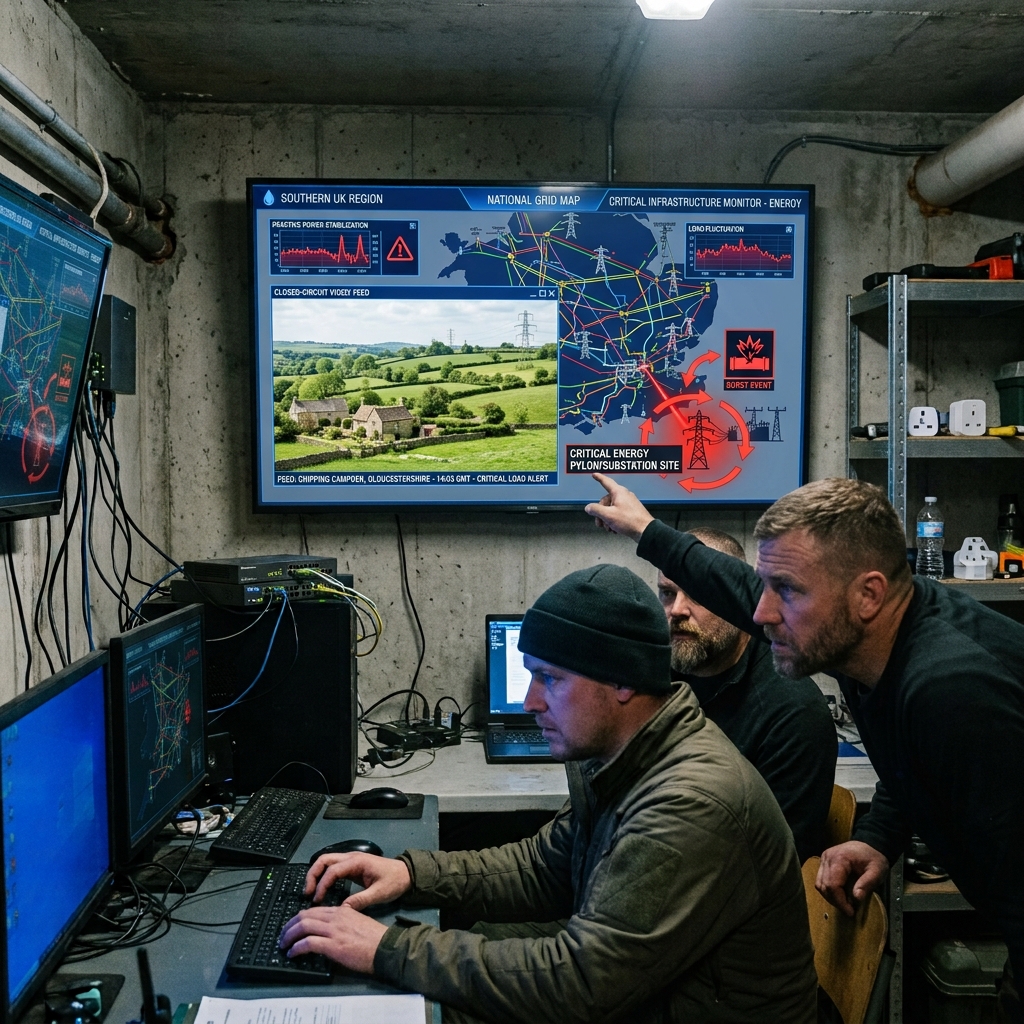
And obviously the United States is not the only country dependent on energy, as residents of the United Kingdom found out.
“It seems that the Iranians were successful in taking a UK power plant for four days back in July….
“[H]ackers believed to be affiliated with the Iranians were behind the attack. British officials declined to identify the site for security reasons, and the government has described it only as a small-scale energy generator….
“the target was a small gas-fired ‘peaker’ plant. These facilities are designed to provide additional electricity when demand rises or when other sources are producing less power.”
Brian Harris speculates that programmable logic controllers (PLCs) were the target, as they were in the U.S. water cybersecurity attacks.
When critical infrastructure components are online, everything is a potential target.
 Bredemarket