
I’m trying to flesh out the usefulness of the Bredemarket website.
- Initially, much of the content was benefit-focused.
- As the website matured, I began to include and flag more information on features—not only as features relate to benefits, but also discussing features independent of benefits (example: my discussion of the Touch ID feature).
- It’s time to throw one other term into the mix.
Using bad statistics, addition of a third term to the two existing terms improves bredemarket.com by a whopping 50%.
Not bad for (more than) 5 minutes of work.
Review of features and benefits
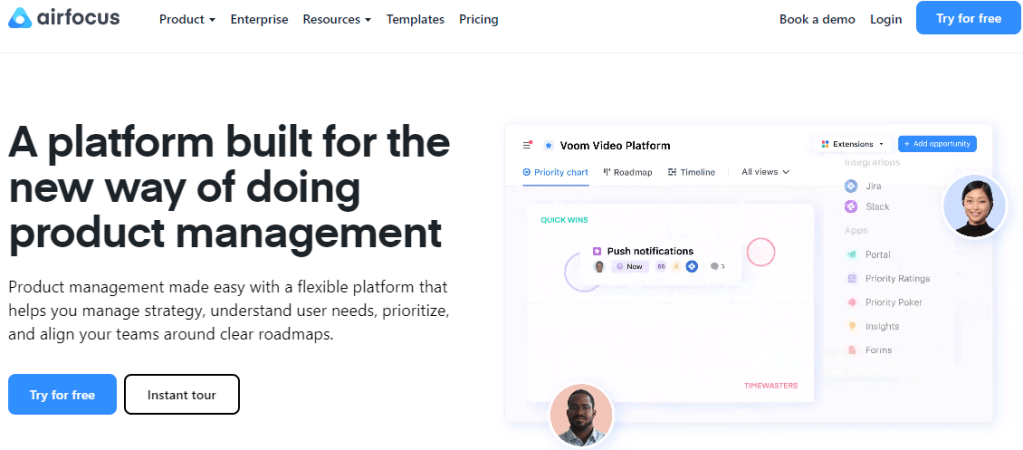
Airfocus has published an article about…well, I’m not going to reveal the title yet, because that gives away the massive surprise ending.
(Whoops; I already revealed it. Pay no attention to the title behind the blog post.)
For now, I’ll just say that the article discusses features and benefits.
Here’s how Airfocus defines features (which coincides with my own definition of features):
(Features) are characteristics that a product or service has. It is a simple statement about attributes.
For example: ‘An automated photo storage app that edits, selects and stores photos’
From Airfocus
Contrast this definition of features with Airfocus’ definition of benefits (which again coincides with my own definition of benefits):
A benefit…is why a prospect would ultimately use a product.
This key benefit provides an emotional hook point that you can leverage in helping the user imagine the positive experiences felt by using your product.
For example: ‘If you don’t waste your time editing and can store more of your best photos, you’ll keep happier memories for longer’.
From Airfocus
So again, the feature is a characteristic of a product (or what the product does), while a benefit explains why that characteristic is important to a prospect.
This is good in and of itself, and has served me well for years. I could stop right here, but I’ve just passed 400 Bredemarket blog posts and am on a roll to get up to 500.
So I’m going to tell you that Airfocus expands the feature-benefit model by defining an middle category between features and benefits.
The stage between a feature and a benefit
Airfocus defines the intermediate step between a feature and benefit as follows:
An advantage is what that feature does, and how it helps. These are factual and descriptive but do not yet make a connection as to how it will make users’ life better.
For example: ‘It automatically keeps only the clearest picture of a similar set, and deletes the rest. Your photo storage is reduced on average by 80%.
From Airfocus, https://airfocus.com/glossary/what-is-a-features-advantages-and-benefits-analysis/
So now it’s time for the big surprise. The third word is advantage.

Perhaps I’m oversimplifying the analysis, but the three terms (features, advantages, and benefits) can be related as follows, using my three favorite question adverbs and incorporating Airfocus’ examples:
| Feature | What | Automated photo storage app |
| Advantage | How | Reduce photo storage 80% |
| Benefit | Why | Keep happier memories for longer |
Since I talk about benefits ad nauseum, you may get the mistaken view that features and advantages don’t matter. They do matter—in the proper context. For example, if you’re working on a data sheet or a user manual (if they still exist), you definitely need a feature list and could probably use an advantage list also.
Now do you have to use a feature-advantage-benefit model, instead of the simpler feature-benefit model?
Not at all.
But if you find it helpful, use it.
 Bredemarket