
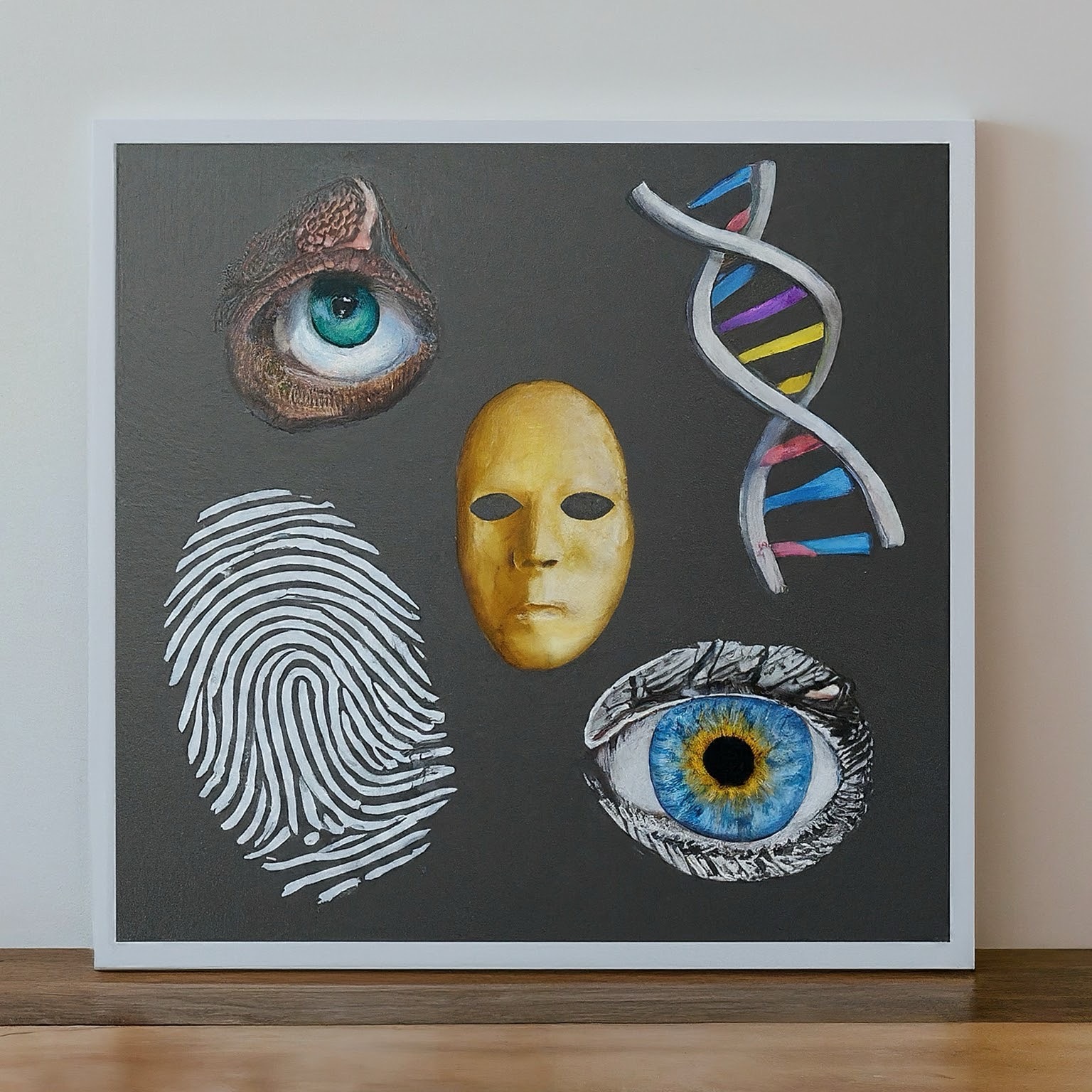
The Jerusalem Post recently published a story about Israel’s Institute of Forensic Medicine and how it identifies deceased bodies.
“From the moment the remains arrive at the institute, identification is conducted through three methods: dental records, CT scans, and DNA testing.
“Even if we identify the remains using one method, it’s not enough until we have definitive identification. In most cases, whenever possible, we perform all three methods to get a final result.” According to Kugel, this is because the “findings” often arrive in an unorganized manner, and no one knows to whom they belong.”
Oh, and there’s one additional complication. Some of the bodies died as long as two years ago. Some of these remains were returned from Gaza after the latest cease fire. I don’t know how many of these people died after October 7, 2023, but it’s possible that some of them may have.
“It’s important to understand that our daily work is to examine bodies that arrive within hours or a few days in rare cases. Here, we’re dealing with a two-year period, and that makes a significant difference in how the remains were preserved, under what conditions, and how that affects the identification process.”
But they aren’t just identifying Israelis.
“Identifying former Hamas leader Yahya Sinwar was a defining moment for Kugel.
“‘Once you’re with the body and examining it, you don’t think at that moment that you’re examining someone very significant. We also had to understand what caused his death. Obviously, he had a head injury, but we tried to understand what preceded what.’
“When we finished, a colleague said to me: ‘Do you understand who you’ve examined now? The man who is responsible for the massacre of thousands of people.’ You don’t think about it while working, just as with the good people who were killed in the war, you just check and identify. After that, at home, you continue to read about him and his family; it goes with you, and then you process what you go through at the institute.”
This is a common challenge in forensics. Identification of a particular person may result in a number of emotional responses, whether it is a criminal or a victim. But the forensic professional’s job is to simply examine the evidence. The grief comes later.



 Bredemarket