Smartphone games are not games. They are ad delivery devices. You start the app, and you see ads for other apps. You download the new apps, and the cycle continues endlessly.
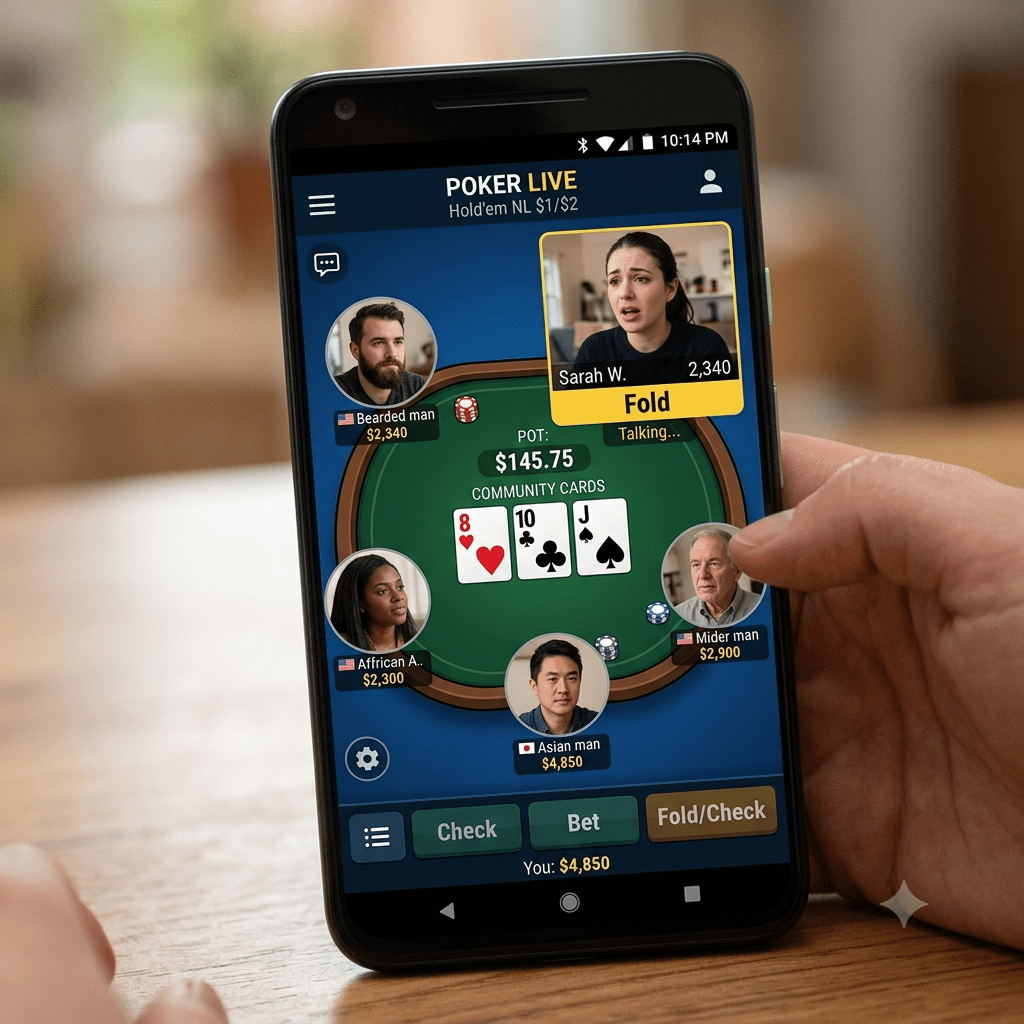
So I was playing a Bitcoin-earning game (actually a Satoshi-earning game; don’t count on earning 1 Bitcoin in an hour’s worth of play) when I saw an ad for a poker game app. An update of the Yahoo! Poker games from long ago, the app screen shows five faces surrounding a poker table. Except these are not still images, but video with audio sound.
So I am watching the ad when one of the players says:
“Life is too long for bad poker hands.”
Read that again.
Life is too long?
Shouldn’t the player be saying that life is too short? The statement makes no sense the way it was said.
But sometimes a turned-around, wrongly-worded phrase is illuminating. Take the time that John F. Kennedy intentionally reversed a phrase to joke about our nation’s capital:
“Washington is a city of Southern efficiency and Northern charm.”
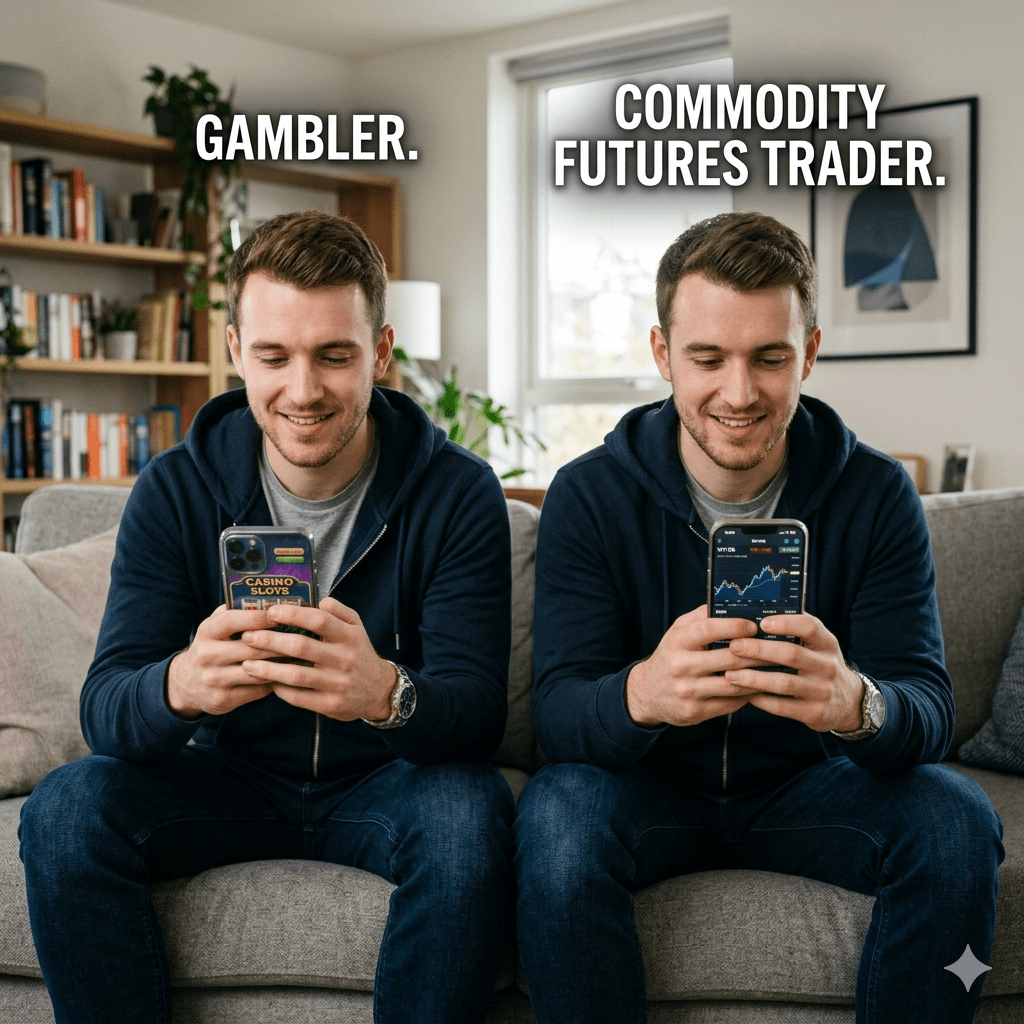
The two referenced apps are part of the prediction market. People buy particular predictions that either make or lose money.
The fact that these predictions are not tangible commodities, but instead relate to future events such as sports games, is entirely coincidental and immaterial to how these apps should be regulated.
Despite what several states claim, regulation of prediction apps properly falls under the Commodity Futures Trading Commission (CFTC), as explained by the President of the United States in a statement.
“It is critically important that the CFTC’s exclusive authority over Prediction Markets is maintained, and that they will thrive. Under my leadership, we are setting “rules of the road” that are the Gold Standard for the States. We cannot have SCUM like Chris Christie, Letitia James, Tim Walz, and JB Pritzker setting the rules! Other Countries are after this new form of Financial Market, and we want to remain at the top.”
Under current federal law (state law is a different issue), markets regulated by the CFTC are legal in all 50 states.
Google Gemini.
Mere gambling apps use geolocation to determine whether a user can legally place a bet. For example, if an app is only legal in Nevada, you technically shouldn’t be able to use it if you and your smartphone are in Bullhead City, Arizona, or anywhere else outside Nevada.
People in CFTC markets don’t have to worry about geolocation, since they can be used in Alabama, or Oregon, or Illinois.
Or do they need to worry?
Polymarket and Virtual Private Networks (VPNs)
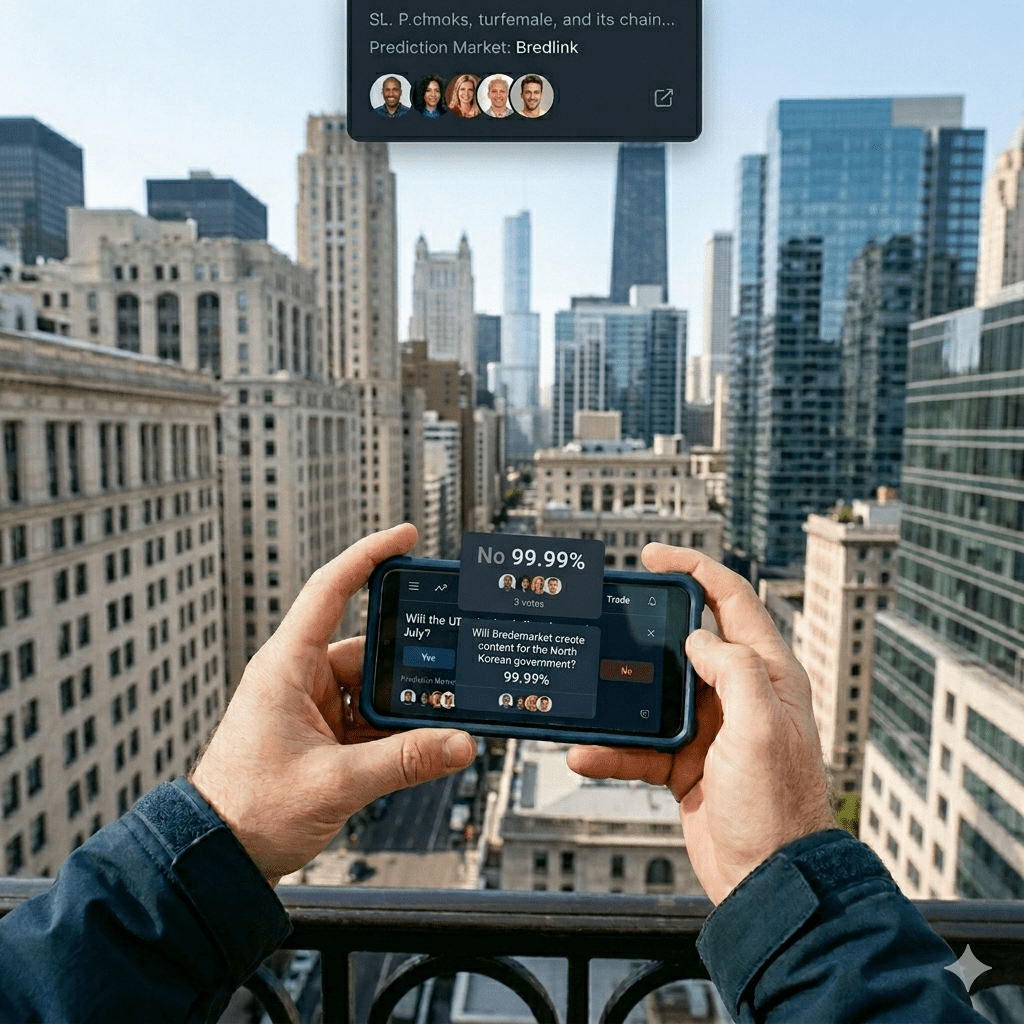
Anthony Kimery of Biometric Update wrote an article about “Polymarket’s VPN Crackdown.” Reportedly Polymarket is implementing “tighter enforcement against VPN use.”
“But wait, John,” you’re asking. “Who would use a VPN if Polymarket is legal in all 50 states?”
People located in any of 200 or so other countries.
Google Gemini.
“Polymarket is reportedly blocked or restricted in dozens of countries.
“And this makes VPN detection a central compliance issue. A platform can say it does not allow access from restricted jurisdictions, but that policy is only as strong as its ability to detect users who mask their location.”
Of course any restrictions to prevent illegitimate users also cause adverse friction for legitimate users. In the long term:
“The larger takeaway is that prediction markets are being pushed toward a compliance architecture that looks much more like financial services than the open, permissionless model associated with decentralized crypto platforms.”
So prediction markets, like crypto, are becoming less of a “wild West” and more of a regulated area where everybody, including federal regulators, knows your name.
“More than 80% of the world’s bitcoin ATMs are found in the United States.
“And as noted in a Financial Times opinion piece Friday (Sept. 5), these ATMs appear to be clustered in Black, Latino and lower-income communities, similar to payday lenders and check-cashing operations.
“Bitcoin can be sent and received anywhere in the world, as long as there is an internet connection. This could be useful in a scenario where traditional banking systems fail and access to financial services is limited.”
But an internet connection isn’t the only thing you need to trade crypto.
You also need a crypto exchange, or some other way to trade crypto.
And if that crypto exchange is hacked or goes bankrupt, you may lose your crypto…and there’s no FDIC.
A self custodial hardware wallet sounds great…at first. All you have to do is take your hardware wallet and walk up to the dude in camouflage selling canned Spam and holding his own hardware wallet. OK. Now trade it. On your own. With no help from a peer-to-peer (P2P) trading platform or a decentralized exchange. Google Gemini:
“Hardware wallets are primarily security devices, not trading platforms. They don’t have the functionality to directly swap one cryptocurrency for another….Directly exchanging crypto would require complex cryptographic operations and blockchain interactions, which are not typically handled by hardware wallets.”
I don’t know about you, but I don’t know how to interact with the blockchain all by myself without help. And very few people do. And even those who know this stuff are mostly helpless if the internet is non-operational.
So if the banks fail and/or some other catastrophe takes place, don’t count on crypto to survive.
Frankly we do better when there’s NOT a catastrophic event, protections guard us from fraud, and the bad effects of a fake identity are minimized.





 Bredemarket