
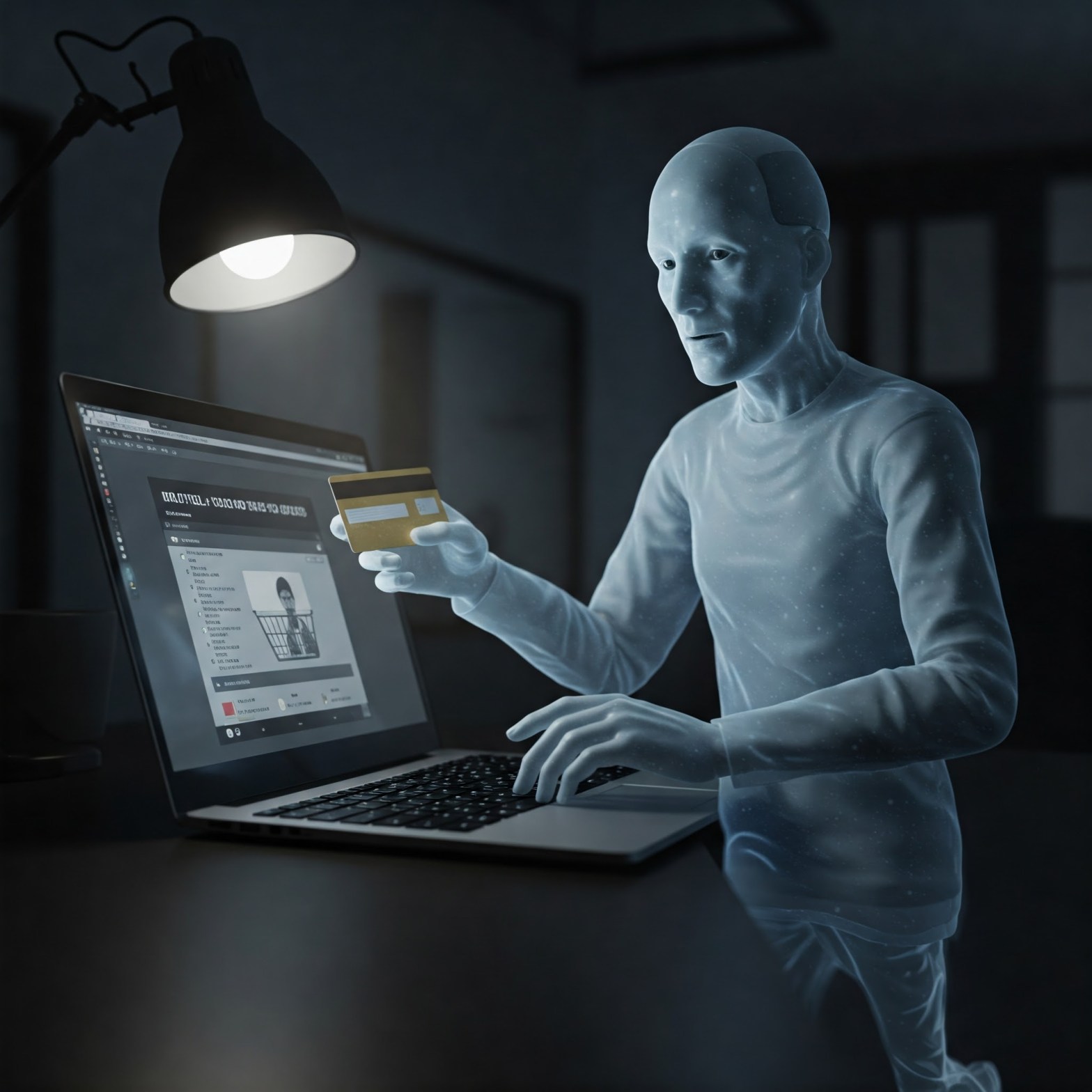
Identity firms really hope that prospects understand the threat posed by synthetic identity fraud, or SIF.
I’m here to help.
(Synthetic identity AI image from Imagen 3.)
Estimated SIF costs in 2020
In an early synthetic identity fraud post in 2020, I referenced a Thomson Reuters (not Thomas Reuters) article from that year which quoted synthetic identity fraud figures all over the map.
- My own post referenced the Auriemma Group estimate of a $6 billion cost to U.S. lenders.
- McKinsey preferred to use a percentage estimate of “10–15% of charge offs in a typical unsecured lending portfolio.” However, this may not be restricted to synthetic identity fraud, but may include other types of fraud.
- Thomson Reuters quoted Socure’s Johnny Ayers, who estimated that “20% of credit losses stem from synthetic identity fraud.”
Oh, and a later post that I wrote quoted a $20 billion figure for synthetic identity fraud losses in 2020. Plus this is where I learned the cool acronym “SIF” to refer to synthetic identity fraud. As far as I know, there is no government agency with the acronym SIF, which would of course cause confusion. (There was a Social Innovation Fund, but that may no longer exist in 2025.)
Back to synthetic identity fraud, which reportedly resulted in between $6 billion and $20 billion in losses in 2020.
Estimated SIF costs in 2025
But that was 2020.
What about now? Let’s visit Socure again:
The financial toll of AI-driven fraud is staggering, with projected global losses reaching $40 billion by 2027 up from US12.3 billion in 2023 (CAGR 32%)., driven by sophisticated fraud techniques and automation, such as synthetic identities created with AI tools.
Again this includes non-synthetic fraud, but it’s a good number for the high end. While my FTC fraud post didn’t break out synthetic identity fraud figures, Plaid cited a 2023 $1.8 billion figure for the auto industry alone, and Mastercard cited a $5 billion figure.
But everyone agrees on a figure of billions and billions.
(I had to stop writing this post for a minute because I received a phone call from “JP Morgan Chase,” but the person didn’t know who they were talking to, merely asking for the owner of the phone number. Back to fraud.)
Reducing SIF in 2025
In a 2023 post, I cataloged four ways to fight synthetic identity fraud:
- Private databases.
- Government documents.
- Government databases.
- A “who you are” test with facial recognition and liveness detection (presentation attack detection).
Ideally an identity verification solution should use multiple methods, and not just one. It doesn’t do you any good to forge a driver’s license if AAMVA doesn’t know about the license in any state or provincial database.
And if you need an identity content marketing expert to communicate how your firm fights synthetic identities, Bredemarket can help with its content-proposal-analysis services.


 Bredemarket
1 Comment