We commonly believe that modern people enjoy an abundance of data that historical people did not have. While this is often true, sometimes it isn’t.
Let’s look at the images we use in facial recognition.
ISO/IEC 19794-5 (Face image data) recommends a minimum inter-eye distance of 90 pixels.
But imagine for the moment that facial recognition existed 100 years ago. Could century-old film cameras achieve the necessary resolution to process faces on adding machines or whatever?
The answer is yes. Easily.
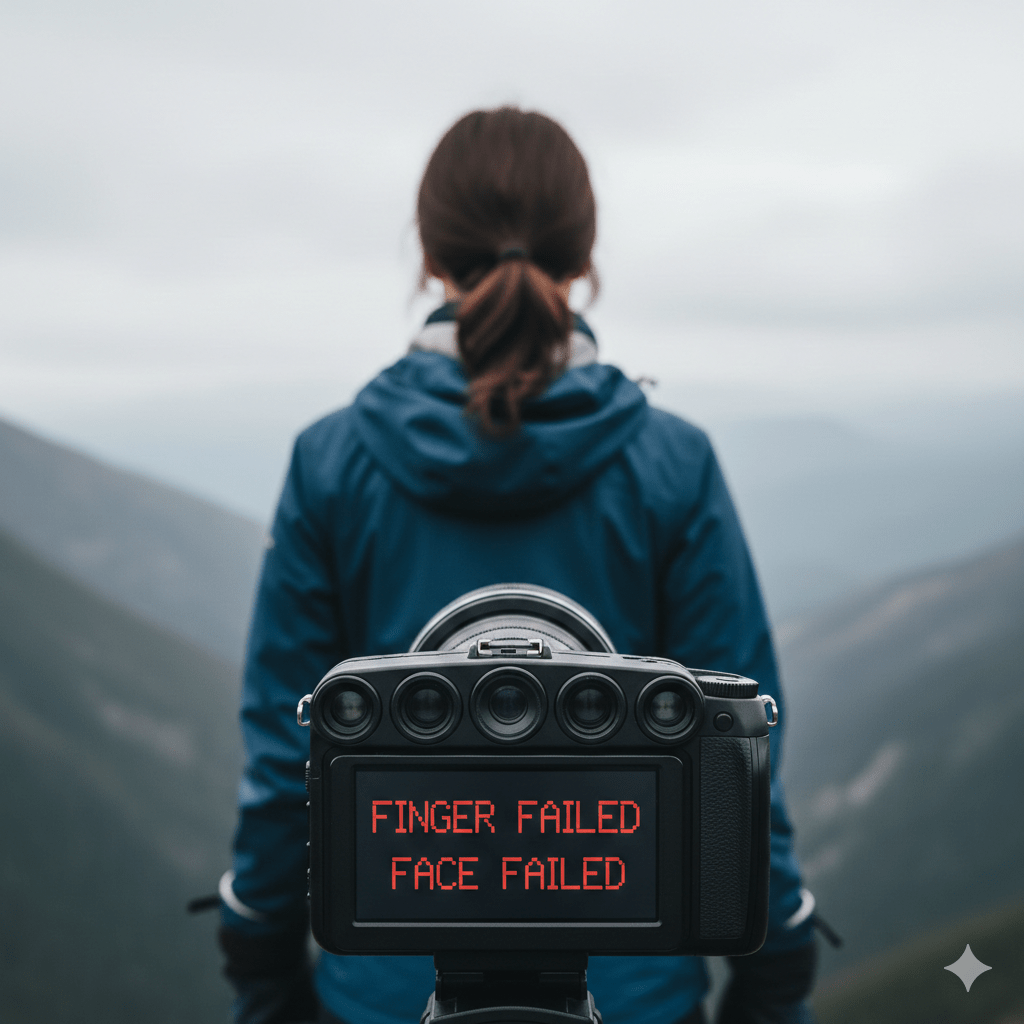
Google Gemini.
Back in the Roaring ‘20s, photographs of course were not digital images, but were captured and stored on film. During the 1920s a new film standard, 35mm film, was starting to emerge. And if you translate the “grains” in film to modern pixels, your facial image resolution is more than sufficient.


 Bredemarket