
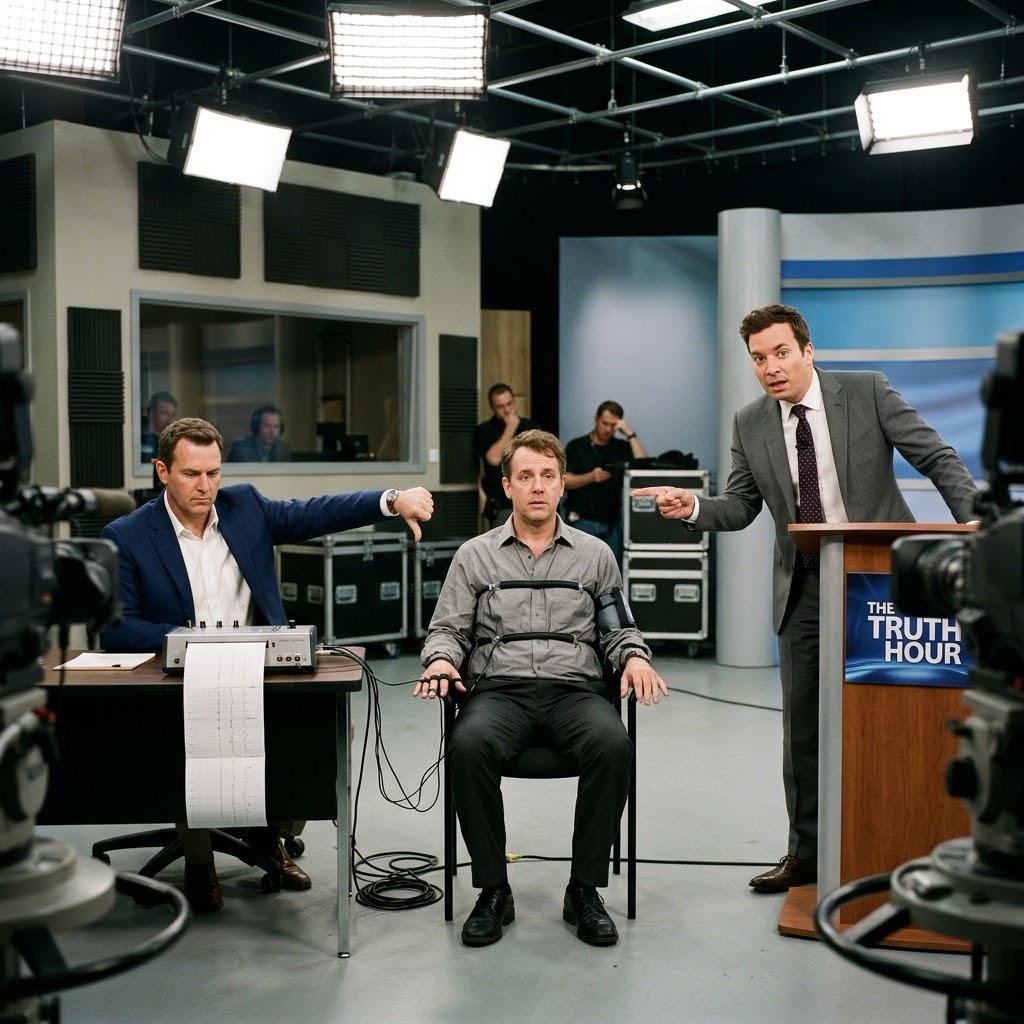
So I was checking out SAM.gov and found an opportunity related to polygraph equipment.
Huh?
Turns out it was a Department of State funded opportunity for the government of Colombia, but it was still surprising.
The last time I heard of polygraphs (a/k/a lie detectors) was when F. Lee Bailey had his TV show “Lie Detector.” I never saw the show, but I imagined Bailey challenging the guest, proclaiming “YOU LIED!” However, Bailey was no Johnnie Cochran, so I doubt it was that dramatic. Too bad.
Polygraphs generally fell out of favor, at least in the U.S., according to the APA (American Psychological Association).
“…their use in legal proceedings has long been restricted in many states.”
Why?
“Although lying can cause the physiological responses measured by polygraph machines—such as sweating and increased heart rate—those same changes can occur even when people are not lying, for example when they are nervous. So, while polygraph tests might be able to detect deceit, they also may have a high error rate.”
But there’s another APA, the American Polygraph Association, which holds a different view.
“Everyone who takes a polygraph examination is nervous. It is expected. As everyone knows, anxiety can elevate one’s heart rate, blood pressure and other physiological functions. During polygraph testing, however, this heightened state becomes the examinee’s normal pattern. Having a higher blood pressure does not cause a person to fail a polygraph examination. Examiners are only interested in changes to the person’s normal pattern. While examiners take steps to reduce the jitters most examinees experience, there is no evidence that anxiety itself causes truthful people to fail or deceptive people to pass polygraph testing.”
Well, except when there is evidence.
“A Baptist pastor failed his lie detector test spectacularly when questioned about church funds. Why? Performance anxiety – he was terrified of being wrongfully accused. We later proved his innocence through financial records….
“Polygraph accuracy studies show a false positive rate of 15% (innocent people fail). False negative rate is 10-20% (liars pass). Overall accuracy is about 80% in ideal conditions. In Oklahoma courts? They’re inadmissible for good reason. Don’t let a machine decide your future.”
But then again…
“…false and inconclusive polygraph findings underscore the imperative of working with an experienced polygrapher.”
I think I’ve seen this kind of thinking before in pre-2009 fingerprinting.
So…should I look at bite marks now?

 Bredemarket