

(All images Imagen 3)
I’ve discussed identity and privacy regarding people.
I’ve discussed identity and privacy regarding non-person entities.
But I missed something in between.
Earlier this week I was discussing a particular veterinary software use case with an undisclosed person when I found myself asking how the data processing aspects of the use case complied with HIPAA, the U.S. Health Insurance Portability and Accountability Act.
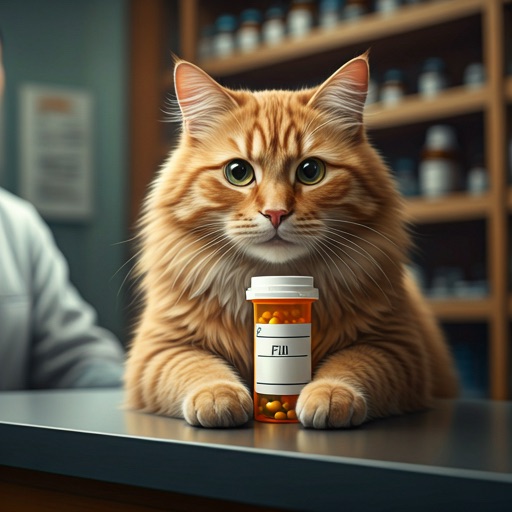
Then I caught myself, realizing that HIPAA (previously discussed here) does not apply to dogs, cats, cows, or other animals. They are considered property, and we all know how U.S. laws have treated property in the past.
So you can violate an animal’s privacy all you want and not run afoul of HIPAA.
But you could run afoul of some other law. As Barb Rand noted back in 2013, 35 states (at the time) had “statutes that address the confidentiality of veterinary patient records.”
And when animal records are commingled with human records—for example, for emotional support animals—protected health information rules do kick in.
Unless the animal is intelligent enough to manage their own prescriptions without human assistance.

 Bredemarket