
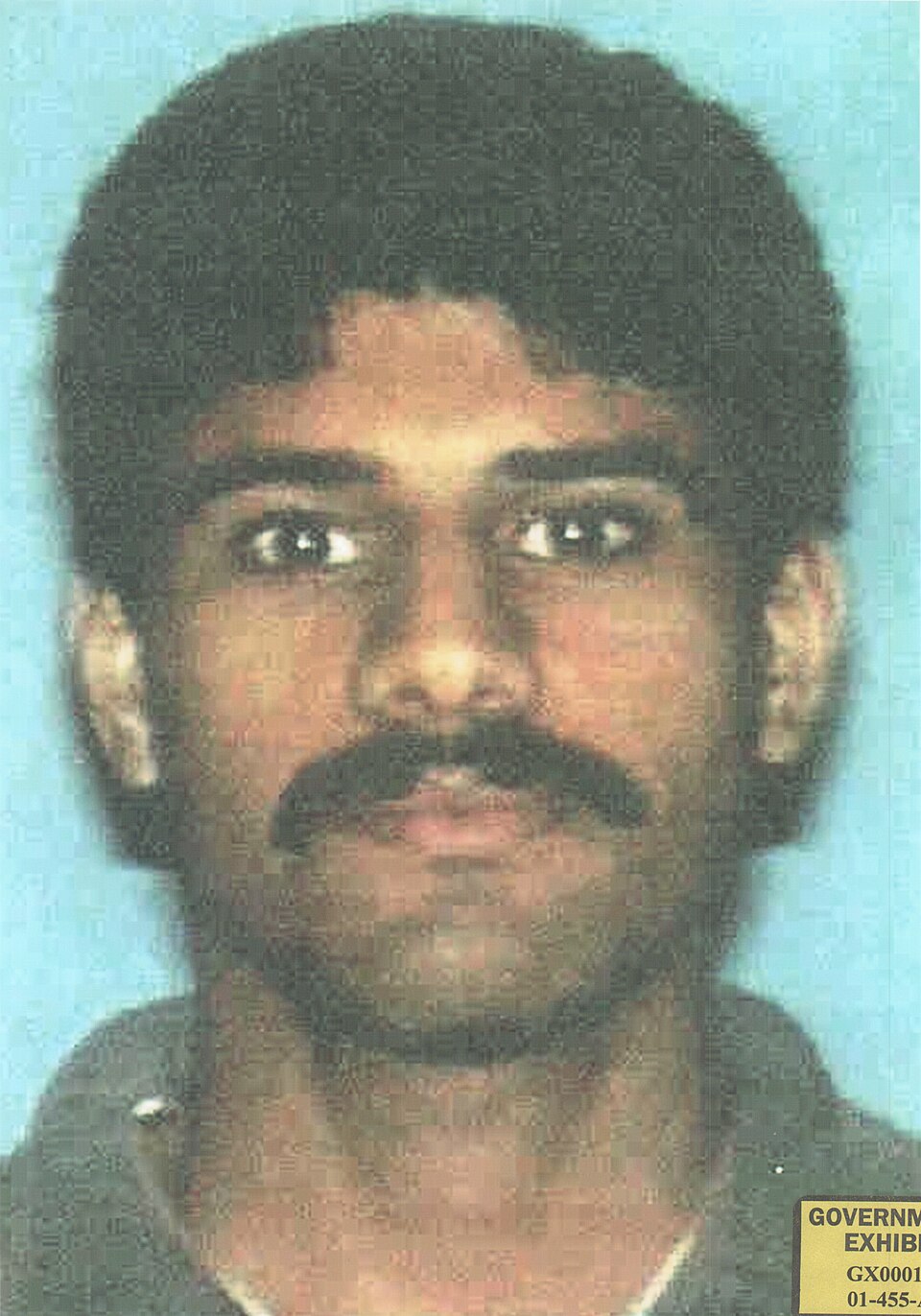
Two facts about Nawaf al-Hazmi:
- He’s dead. al-Hazmi died at the Pentagon on September 11, 2001 afterr hijacking a plane.
- He had overstayed his visa. al-Hazmi’s visa expired in January 2001.
This fact, and other irregularities in the visas and passports of the 9/11 hijackers, directly led to the mandate that the U.S. implement biometric exit…which has been delayed more often than REAL ID.
In theory, enforcement of visa expirations with biometric exit is simple.
- If you can tell who has entered a country and who has left a country, then you can identify people who have NOT left the country, but whose visas have expired.
- And you can tell entries and exits via biometrics, as long as a person’s biometrics are acquired through the passport and/or visa process.
So if biometric exit had existed in January 2001, then a (theoretically) quick check could show that al-Hazmi had NOT left the United States and was still here on an expired visa. He could have been kicked out of the country and barred from returning, and therefore wouldn’t be on a plane on September 11.
The only problem is that EVERYONE needs to be processed when leaving the country for the system to work. At a minimum, anyone who cannot prove U.S. citizenship would have to have their biometrics captured. Or just make it easy and capture everyone’s biometrics as they leave the United States.
Some express the belief that current biometric exit practices exceed the mandate:
“The coalition—led by the Electronic Frontier Foundation, the American Civil Liberties Union and the Canadian-U.S. cross-border group OpenMedia—contends that capturing images of lawful permanent residents exceeds DHS’s statutory mandate and creates a de-facto travel dossier vulnerable to data breaches.”
Back in 2017, it was alleged that pilot programs even captured biometric exit data for U.S. citizens.
Concerns about overreach fall into two categories:
- That the captured data would be used for things other than visa overstays.
- That the captured data could be hacked, exposing the travelers’ personally identifiable information.
So the theory of tracking people as they enter and leave a country can get messy when put into practice.
I know.

 Bredemarket