
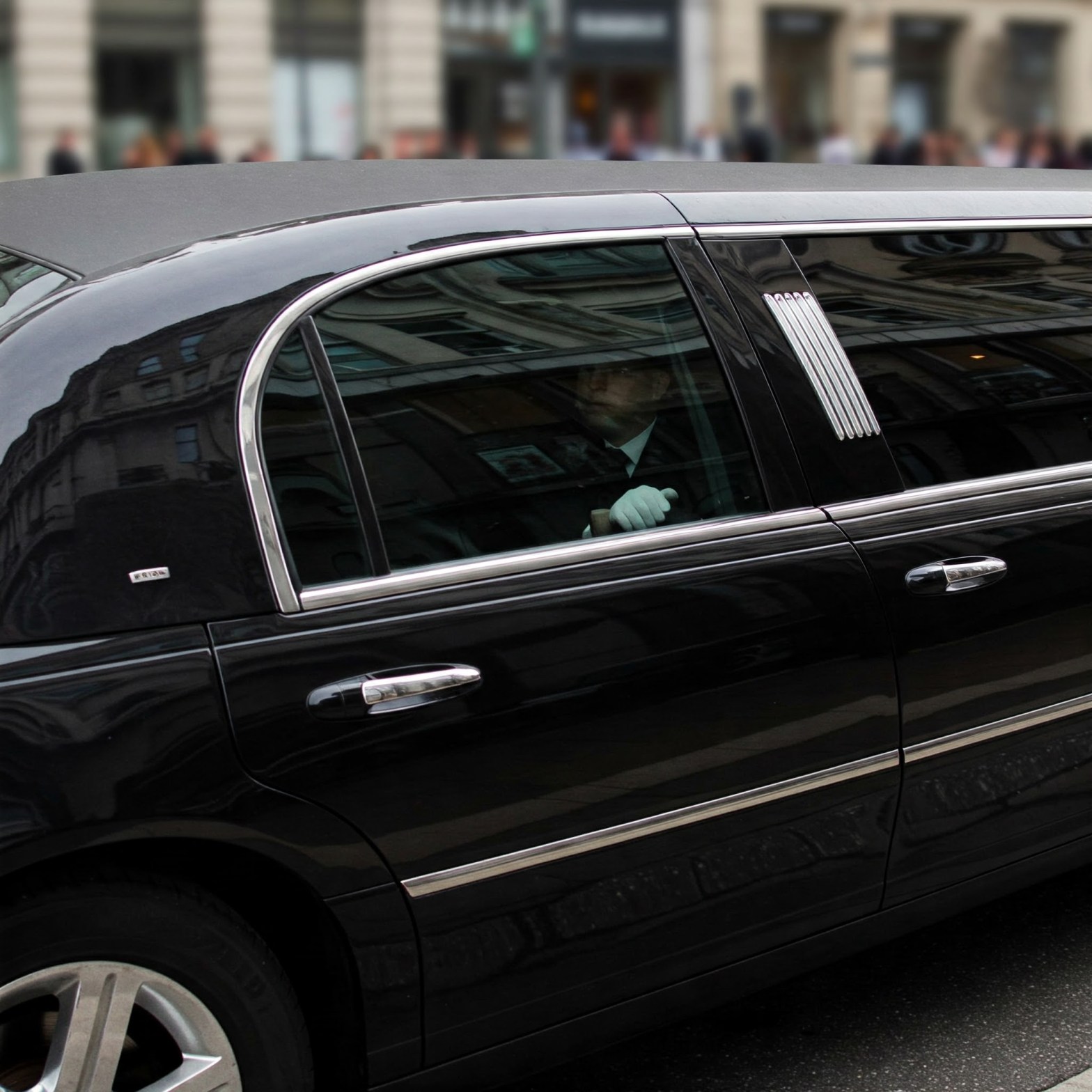
Here are three questions for you:
- When a car pulls up to you, do you want to look inside?
- Here’s another question: when a car pulls up to you, and you’re a law enforcement officer, do you want to look inside?
- And here’s a third: if you’re driving a car, how much window tint should the car windows have?
The answer to that third question varies on a state-by-state basis, which also affects the effectiveness around the second question.
I’ll use my state of California as an example. According to the “Window Tinting Laws By State” page on Geoshield’s website, the Visible Light Transmission (VLT) percentage on car windows depends on which car window you’re talking about.
- For the front side windows, the minimum VLT value is 70%.
- For back side windows and rear windows, any VLT value is allowed.
- For the windshield, the minimum VLT value is 100%, except on the top 4 inches of the windshield.
But VLT percentages vary on a state-by-state basis. In Arkansas, front and back side windows have a minimum VLT of 25%.
And I would bet that if someone in California drives to Arkansas with “excessive” back side window tinting, they can get in trouble…if the highway patrol officer notices.
So if you’re a criminal, and you don’t want a law enforcement officer to see you, it’s safest for you to sit in the back seat. If you’re a rich criminal, you’re probably being chauffeured anyway, so this should be easy.
By the way, how many of you figured out why I’m asking these questions?
(Automobile tinted window image from Imagen 3)

 Bredemarket