
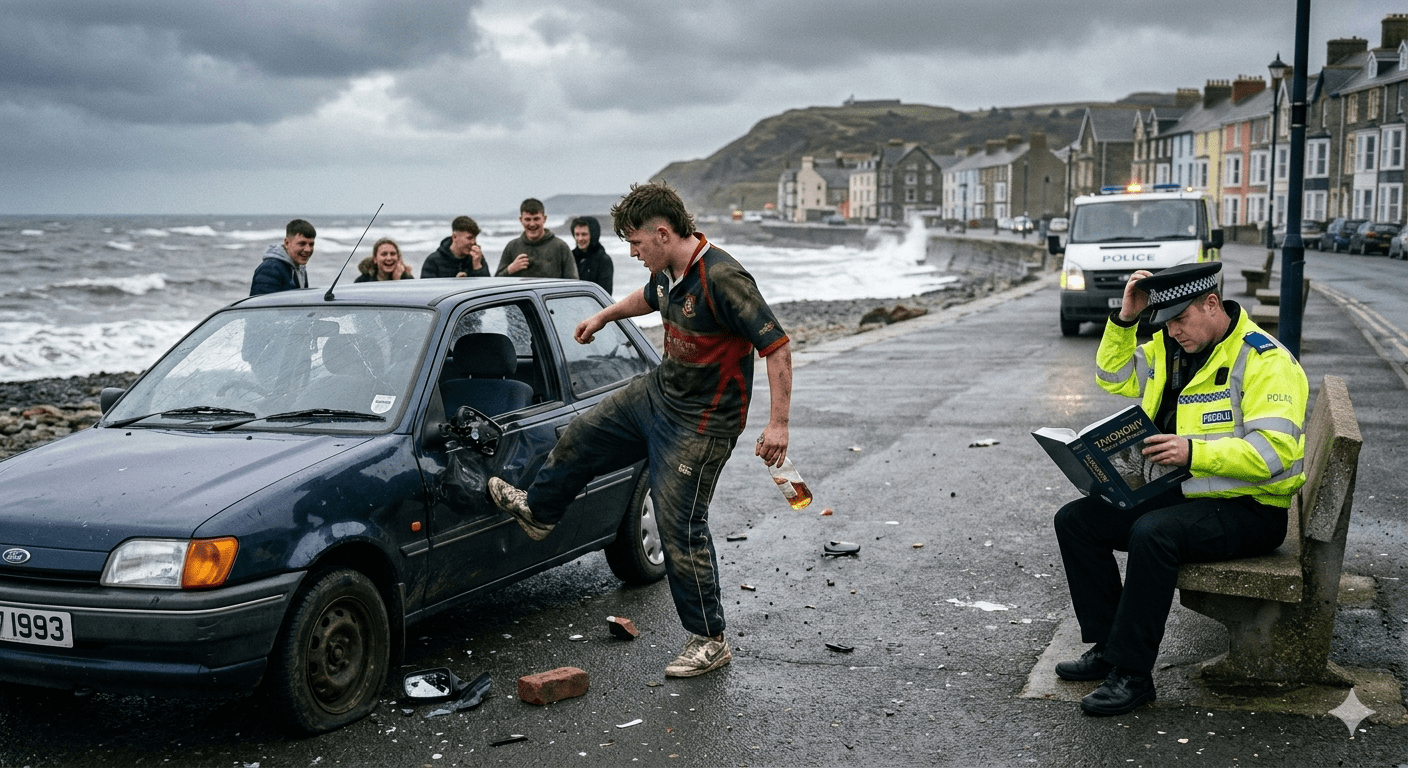
I’ve talked about taxonomies ad nauseum, but they apply in multiple cases, including how police agencies talk to each other.
The United Kingdom’s Home Office has published the National Police Chiefs’ Council Minimum POLE Data Standards Dictionary. As the capitalization, I mean capitalisation, suggests, POLE is an acronym standing for Person, Object, Location, Event. The dictionary provides a common method for police agencies to talk to each other about…well, about people, objects, locations, and events.
Some of the comments in the dictionary seem unnecessary, but I guess it’s better to be too specific than not specific at all. Example:
If a telephone number is unknown – do not make one up.
In truth, this ties to a related notation:
A blank field is preferable to a known error…
Because, as anyone who has ever been a teenager will know, things that happen can be added to your permanent record.
Speaking of which, PERSON records may include offenders, suspects, victims, witnesses, and multiple other living, dead, or not-yet-born parties.
Very few specific OBJECT types are called out, but those that do include vehicles, land, and buildings. The OBJECT types also include identifying numbers such as passport numbers and telephone numbers.
A LOCATION may be an address, a geolocation, or another location designator. Or “no fixed abode.”
An EVENT may be a crime, an incident, a “custody,” a stop search, a safeguarding, and a case of “anti-social behaviour.”
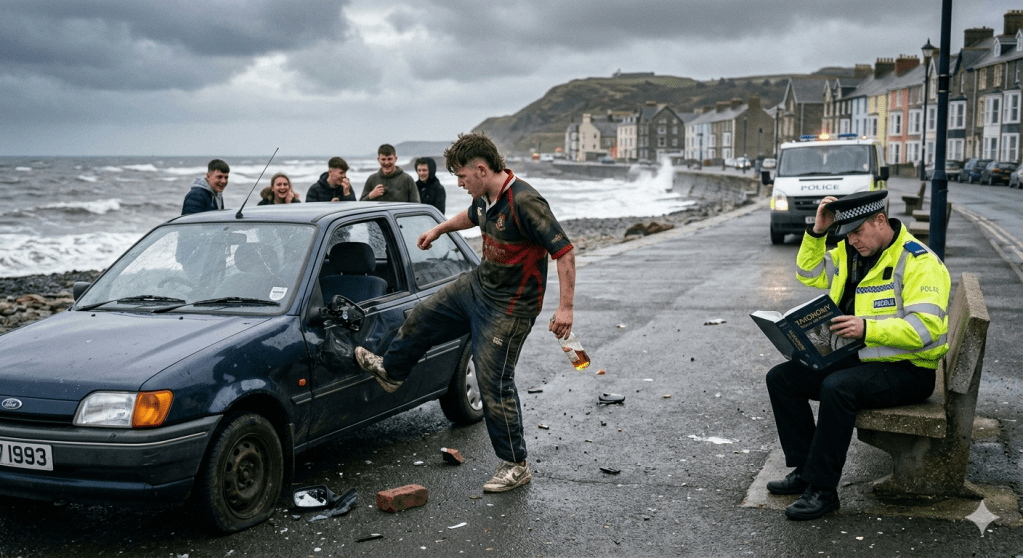
So if a Welsh police officer runs into a person trashing a vehicle a a particular geolocation, the officer has all the tools to record what has happened and what will happen.

 Bredemarket