
Cults of personality are REALLY REALLY popular.
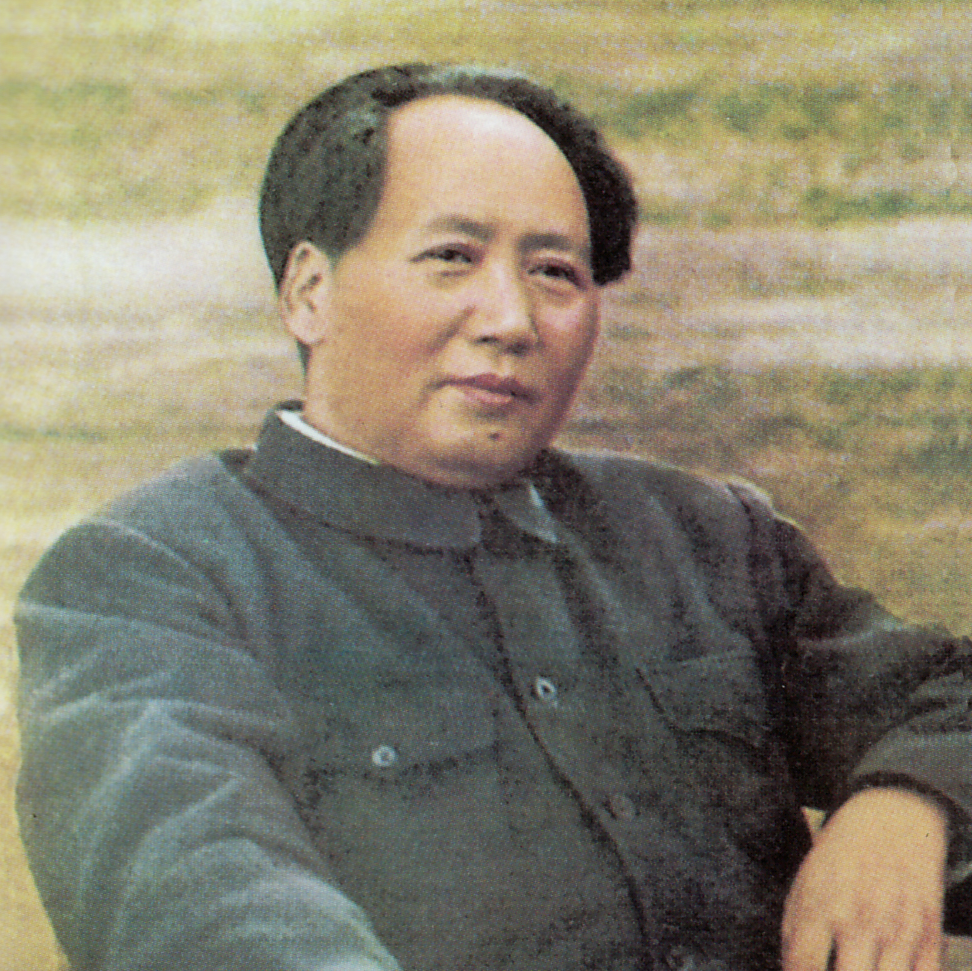
But cults of personality are REALLY REALLY bad for business. I’ll give you three reasons why…and then I’ll give you a few more.
Three reasons why cults of personality kill business
Let’s look at some cults of personality to see the damage they can do.
Reason one: cults of personality don’t last forever
If I mention Sam Winston to you, most of you won’t know who I’m talking about. But he used to be very big in the world of tires, primarily because he was featured in every Winston Tire commercial that aired in California.
Until he wasn’t.
Now there were some valid reasons for featuring Sam Winston in the Winston Tire commercials. He not only provided a personal touch, but he inspired a sense of trust by claiming that Winston Tire customers would benefit from the quality of his products.
Sadly, Sam Winston died in 1995 (ironically as the result of an automobile crash), and unlike a certain chicken purveyor, Winston Tires chose not to create an animated (or live action) version of its pitchman.
Without its well-known pitchman, and with other troubles, Winston Tire was sold in 1997 and passed through multiple owners before being liquidated entirely by Goodyear.
And now you DON’T get Sam.
Reason two: cults of personality obscure the bad news
There are many who worship Steve Jobs. Members of this cult preach the gospel that Jobs was unfairly kicked out of his own company until returning in triumph a decade later.
I’m not buying it.
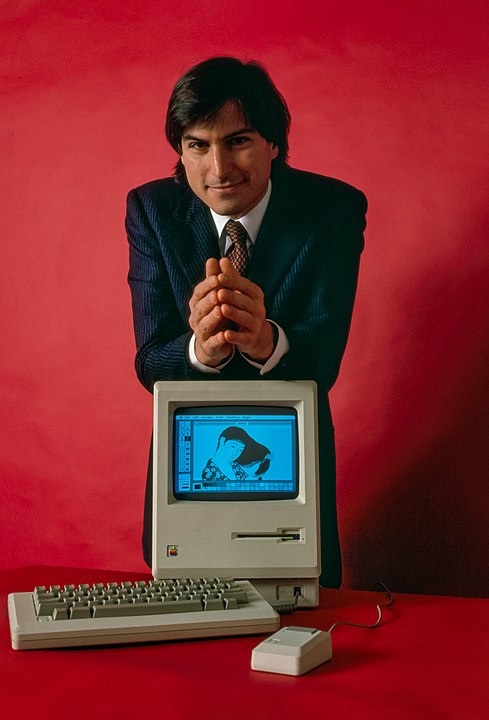
Even before the board showdown between Jobs and John Sculley, Steve was not infallible. Insisting on building Apple’s own disk drive for the Macintosh, only the disobedience of his lieutenants (who secretly met with Sony) ensured that 1984 wasn’t delayed to 1985.
But 1985 was the year that Jobs either fired or resigned, launching the era of Sculley, Spindler, and Amelio. Was that decade truly a failure? Ask another man with his own cult, Woz:
“The Macintosh failed, really hard,” he said to The Verge in 2013, “and who built the Macintosh into a success later on? It wasn’t Steve, he was gone. It was other people like John Sculley who worked and worked to build a Macintosh market when the Apple II went away.”
“You know, I loved the Newton. That thing changed my life,” added Wozniak. “John Sculley got demeaned by Steve a lot, but he did the Knowledge Navigator, the Newton, HyperCard — unbelievable things.”
From https://appleinsider.com/articles/18/10/15/looking-back-at-john-sculleys-rise-as-apples-ceo-and-fall-an-october-15-1993
Admittedly there were issues during the tenures of all three post-Jobs leaders, but the company that Jobs ran in the 1990s was in a much better position than the one he left in the 1980s. In particular, the company’s revenue was five times greater in 1995 ($11.06 billion) than it was in 1985 ($1.918 billion).
And what about what Jobs did himself during that decade? NeXT took three years to even show its product, and in 1989 Businessland sold a whopping 360 units. NeXT sold 50,000 units, but then got out of the hardware business entirely and concentrating on its operating system, which it eventually sold to Apple along with itself and its head.
Of course, we all know what happened after Jobs returned. From that $11 billion, the company’s revenue…nosedived? Heading below $6 billion by 1998, revenue wouldn’t exceed $11 billion until 2005. By the time Jobs died, Apple’s revenue exceeded $100 billion. After his death, it has zoomed to over $300 billion.
Clearly Jobs had visions and successes, but Apple has also excelled without him.
Reason three: the end of the cult can compound the bad news
I’ve already talked about how Sam Winston’s death was the last straw for Winston Tire as an independent company.
But today, literally today (Monday, November 20, 2023), we are all talking about another Sam. Sam Altman.

As I write this the story is still evolving, but this much has happened within the last few days.
- On Friday, Sam Altman was fired from the company he co-founded, OpenAI.
- This was a reportedly a surprise to most OpenAI employees (with the exception of the person tapped to be interim CEO after Altman left) and to OpenAI’s major investor, Microsoft.
- This prompted the exodus of several other people from OpenAI. This was similar but not similar to the people who left Apple for NeXT, except that in the Apple case Jobs controlled the timing of the departures, while in the OpenAI case it happened suddenly, within hours.
- Apparently over the weekend there were second thoughts about letting Altman leave OpenAI, but the board that just got rid of him wasn’t about to roll over and let him dictate the terms of his return.
- When we woke up Monday morning, we learned that Altman, Greg Brockman (who quit OpenAI after being fired from the board but asked to stay as an employee), and several other ex-OpenAI employees were now joining…Microsoft.
So, where does this leave OpenAI, now that its public face has been replaced by an ex-Twitch person?
Will ChatGPT remain synonymous with generative AI in the minds of many?
Or will OpenAI fade into the background?
The other 397 reasons why cults of personality kill business
But those aren’t the largest reasons why cults of personality are deadly.
The big problem is that whenever you talk about Sam, or Steve, or Sam, you’re NOT talking about things that matter to your prospects or customers.
- Maybe your prospects want to hear about how tires keep (most of) you safe. They don’t care about a singing Sam.
- Maybe your prospects want to hear about how that weird computer and that fancy laser printer bring customers into your prospects’ stores. They don’t care about Turtleneck Guy.
- Maybe your prospects want to hear about how artificial intelligence, when used properly, can benefit your business. They don’t care about corporate soap operas.
So maybe THAT is what you should be telling your prospects…not about your cool founder.
Why did I write this post?
I was inspired to write this post after two things that happened to me on Saturday night. These don’t rise to the level of Sam, Steve, or Sam, but they got me thinking.
Bredemarket has an Instagram account, and before Saturday the account was frequently mentioning the (then) upcoming “art walk” festivities throughout downtown Ontario, California. You can see the highlights here.
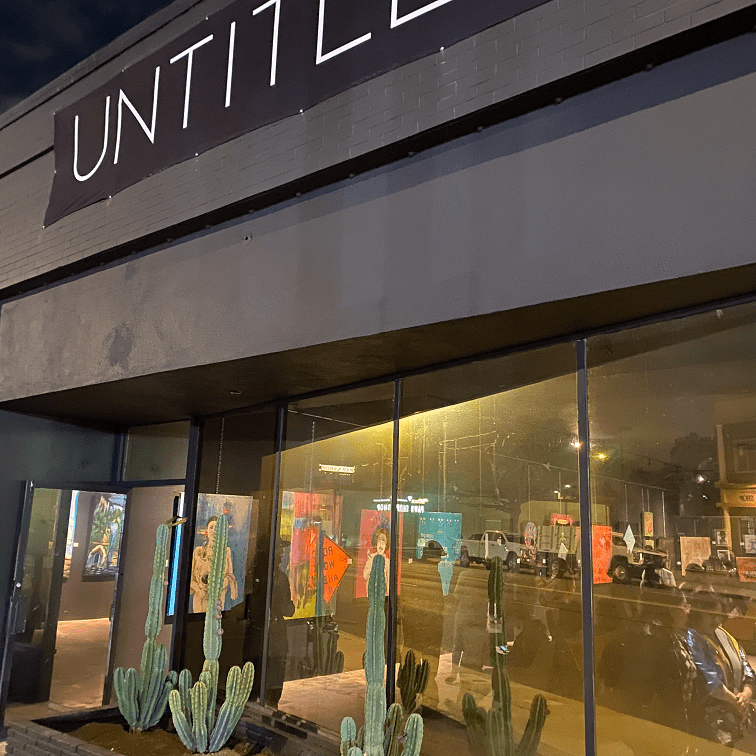
While I was wandering around downtown Ontario, two people approached me and said that they recognized me, and Bredemarket. Why? Because of their awareness of the things that I have been posting on Instagram.
But awareness doesn’t benefit anybody in the long term.
How can local businesses (or other businesses) benefit from what Bredemarket does?

The “400” refers to the 400 to 600 words that we will create together via the Bredemarket 400 Short Writing Service. Let’s get started.
So why don’t you get YOUR message out? Not about your founder, but about your prospects’ needs.

 Bredemarket
1 Comment