

I wrote this over two years ago.
How long can you survive without pizza? Years (although your existence will be hellish).
OK, how long can you survive without water? From 3 days to 7 days.
OK, how long can you survive without oxygen? Only 10 minutes.
But let’s look at two other items: electricity, and the Internet.
These two items are similar to the pizza item above; lack of them won’t result in immediate death. Even a lack of electricity is survivable: although you could lose air conditioning on 100° F days, historical people survived without electricity, and 750 million people do so today. Including temporary losses of electricity, such as a whole-day blackout in a part of the Philippines.
As for the Internet…it’s complicated.
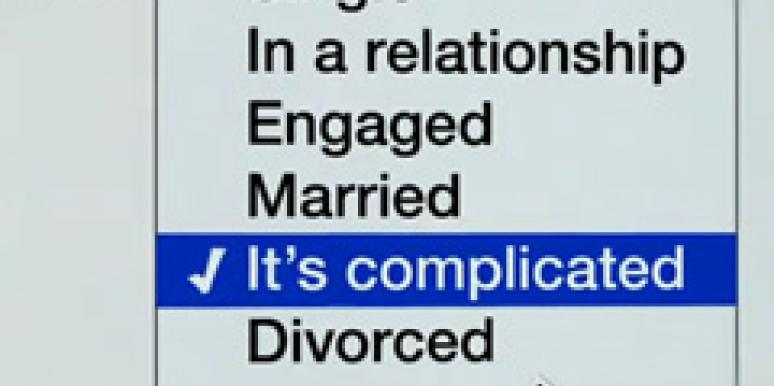
From https://www.yourtango.com/201168184/facebook-relationship-status-what-does-its-complicated-mean.
The number of people without Internet access is 2.5 billion. They are surviving…with challenges. But school connectivity can bring positive benefits.
An Economist Intelligence Unit (EIU) report underscores the importance of school connectivity in enhancing learning outcomes and boosting economies. The report found that in the least developed countries, a 10% increase in school connectivity can improve children’s effective years of schooling by 0.6% and increase GDP per capita by 1.1%.
I’ve previously looked at the business world. Specifically my business, which is heavily dependent on the Internet (as my current Internet Service Provider issues attest). While blogs are meaningless in a world without Internet, Bredemarket could still conduct business.
Even if the Internet were to disappear, I could still write text for case studies (maintaining my Inland Empire case study writing business) and white papers. I could send my client a Microsoft Word file (perhaps an old version of Word), and the firm could send the file to their printer. But how would I send the file? Put a CD in the mail?
Life without Internet would be much more difficult.
And a final question: how many of us would run into difficulty if generative AI were to go away?


 Bredemarket